


TLDR
Stephen Colbert used his Walter Bernstein Award acceptance at the WGA Awards to needle Paramount and CBS over his coming “Late Show” exit, casting doubt on claims the program was an unsustainable $40 million loss.
Colbert Uses WGA Stage
The 61-year-old host was honored with the Walter Bernstein Award at the Writers Guild of America Awards, a prize named for the blacklisted screenwriter who defied the Hollywood studios of the McCarthy era. According to Daily Mail US, Colbert immediately addressed the implied comparison.
He reportedly called the recognition “a great honor” but questioned any direct parallel between himself and Bernstein, who faced genuine political repression. Colbert told the room, “This is not the 1950s. This is not the Red Scare. And, as far as I can tell, no one in late-night is fomenting a revolution.”
Then he leaned into the symbolism of a writer fighting censorship while working for a modern media giant. Quoting the Gil Scott-Heron anthem, Colbert cracked, “As we know, the revolution will not be televised. It was going to be televised, but then Paramount bought it.”
The WGA East says the Walter Bernstein Award recognizes writers who show “a willingness to confront social injustice in the face of adversity.” For Colbert, the adversity is now coming from inside the corporate house that made him a late-night institution.
Money, Mergers, and Motives
Colbert’s latest jabs come as “The Late Show With Stephen Colbert” heads toward a planned end on CBS. A Puck report, cited by Daily Mail US, claimed the series was losing around $40 million a year, framing the move as cold arithmetic for Paramount’s balance sheet.
Onstage, Colbert took aim at that narrative. “Evidently, the revolution was losing, like, $40 million a year. It had to go,” he joked, the sarcasm aimed less at his own show than at the idea that a flagship franchise had suddenly become too expensive to keep.
CBS has publicly insisted the decision was “purely a financial decision” tied to declining ad revenue. Colbert and allies remain unconvinced. The Daily Mail piece notes he had recently blasted a reported $16 million settlement between Paramount and the President, calling it “a big fat bribe” while a long-discussed merger with David Ellison’s Skydance moved forward.
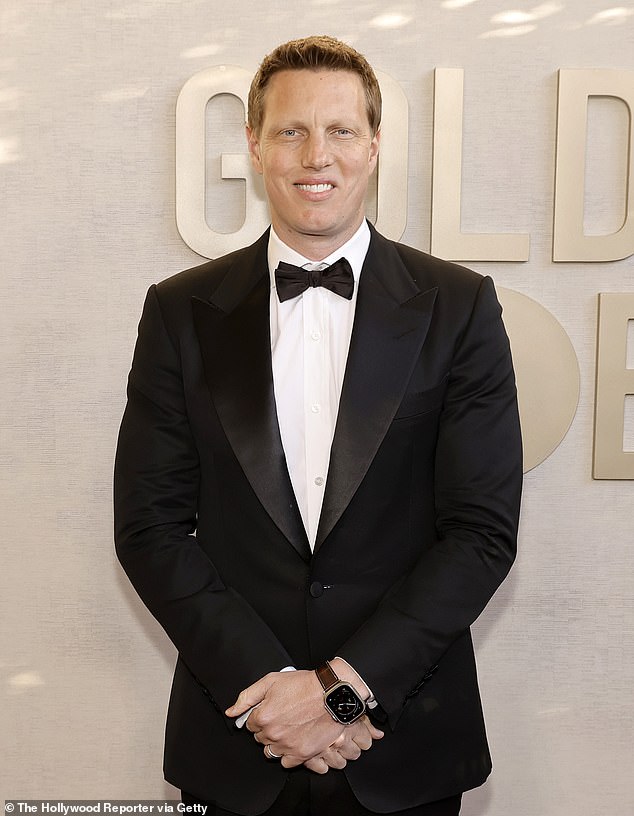
The show had already become a political stage. Senator Elizabeth Warren used a “Late Show” appearance to warn that Ellison’s push to consolidate media power through Paramount could turn outlets like CBS into vehicles for conservative messaging. That on-air warning landed in the same corporate ecosystem Colbert was now needling at the WGA podium.
A Legacy in Transition
This is not Colbert’s first clash with the people who sign his checks. Earlier in the year, he mocked the FCC’s “equal opportunities” rule after commissioner Brendan Carr complained about the show’s partisan edge. He also joked about Paramount being “tight on cash” when he handed his wife an extravagant ring on air, quipping that he had planned to charge it to CBS.
Those barbs deepen a portrait of a host who moved from outsider parody to establishment anchor, then found himself challenging the establishment from inside its own late-night temple. The Walter Bernstein Award, with its history of honoring resistance to censorship, gave Colbert a stage to frame his corporate breakup as something larger than a simple cancellation.
For Paramount and CBS, the stakes are different. They are navigating cord-cutting, streaming losses, and Wall Street pressure while trying to keep creative talent in line with cost-cutting priorities. Every Colbert punchline at their expense feeds a narrative that business, not audience, is driving the final curtain on “The Late Show.”
As Colbert edges toward his final months behind the desk, the question is: what lingers longer in cultural memory? The viral monologues that made him a late-night force, or the closing chapter in which he uses every microphone, including an industry lifetime award, to call out the companies behind the curtain.
Do Colbert’s pointed jokes at Paramount and CBS feel like a natural extension of his comedy, or do they risk overshadowing the late-night legacy he built over the past decade?