

TLDR
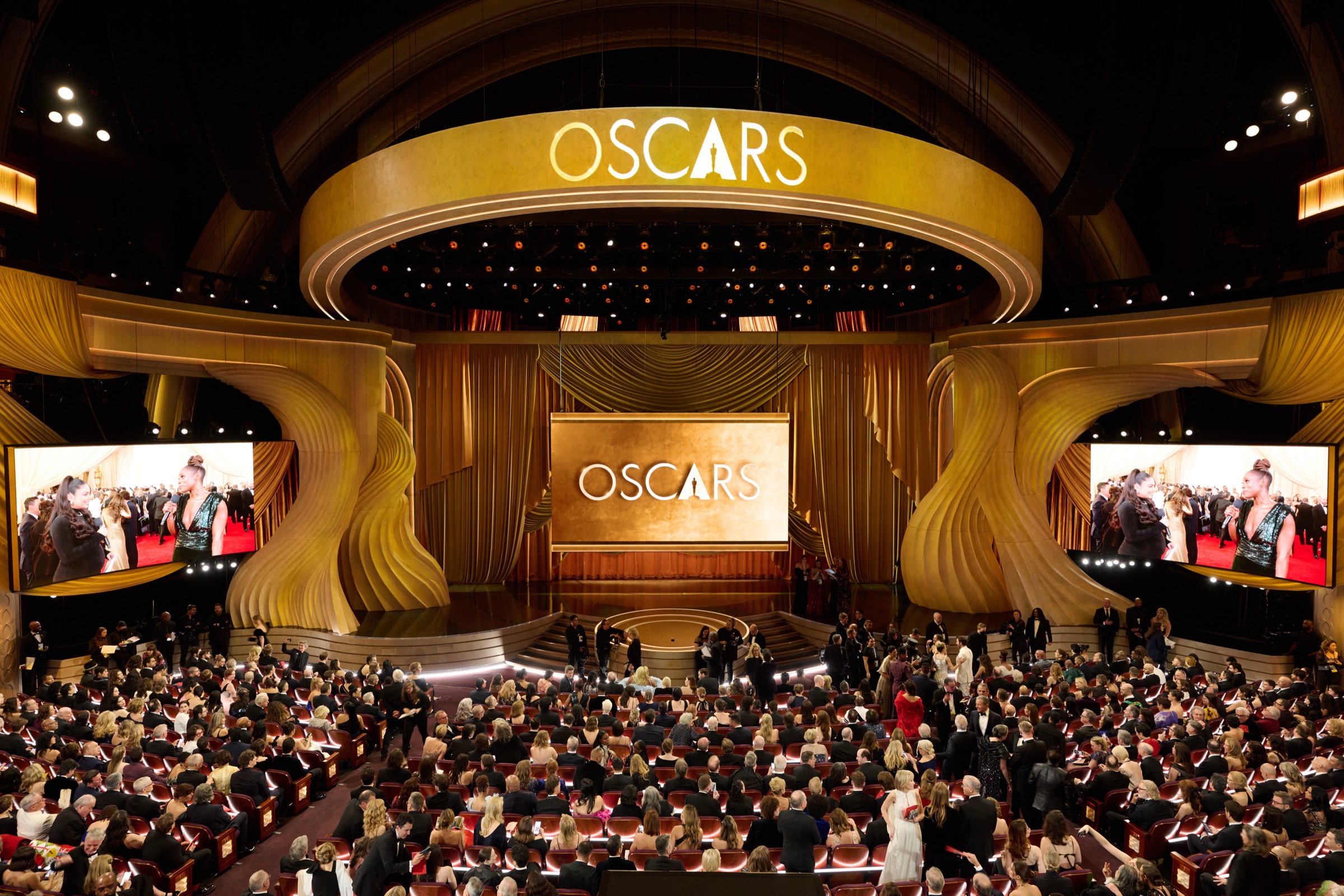
Oscars insiders are staring down collapsing broadcast ratings, aging viewers, and a restless digital generation as Hollywood’s biggest night confronts an existential identity crisis. A controversial push toward YouTube-style streaming could redefine what the Oscars even are.
From Titanic to Tumble
For anyone who remembers gathering around the television to watch “Titanic” conquer the Oscars in the late 1990s, the numbers now are almost unrecognizable. Back then, more than 50 million viewers tuned in as Leonardo DiCaprio and Kate Winslet became modern Hollywood mythology in real time.
Today, that shared ritual has thinned into something far more fragile. Recent ceremonies have drawn fewer than 20 million viewers in the United States. According to Deadline, the 2021 broadcast fell to an all-time low of below 10 million, a staggering decline from the era when the Oscars felt like a national event. Variety later reported a rebound to about 16.6 million viewers, but that was still a fraction of the glory years.
Inside the Academy, that slide is no longer treated as a blip. One voting member recently described the mood as an “existential crisis,” worrying that the show feels like a luxurious train slowly slipping off the tracks. The red carpet remains immaculate, the diamonds still sparkle, yet the audience at home keeps slipping away.
Complicating matters, the films themselves are less universally seen. While fictional awards-season juggernauts like “Sinners” or animated hits in the spirit of “KPop Demon Hunters” can dominate box office or streaming charts, many contenders live primarily on niche platforms and word of mouth. The old feeling that everyone had “seen the movie” before Oscar night has quietly evaporated.
When Glamour Meets Scroll Culture
Network producers have spent years dissecting what went wrong. One veteran who has worked on recent telecasts described the central problem as a brutal collision between a three-and-a-half-hour broadcast and viewers trained by feeds and notifications. In their words, “Gen Z and Millennials grew up in the digital era. They do not sit through a whole show. They snack on moments.”
Those moments still land. The Oscars regularly dominate X trending charts, and official Academy accounts have seen social growth even as linear ratings sag. Clips of surprise wins, emotional speeches, or musical performances rocket across platforms, reaching millions who will never watch the full ceremony.
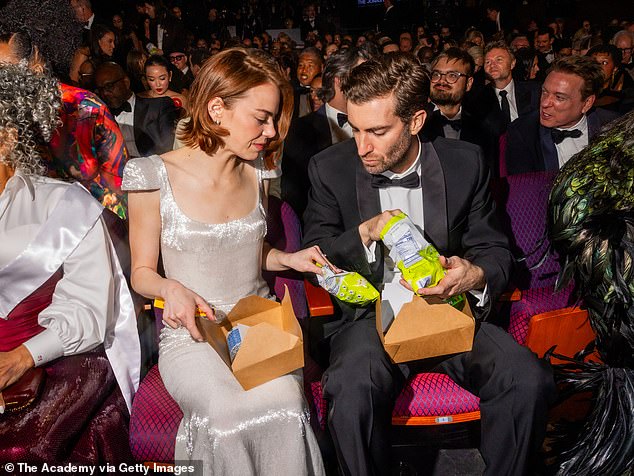
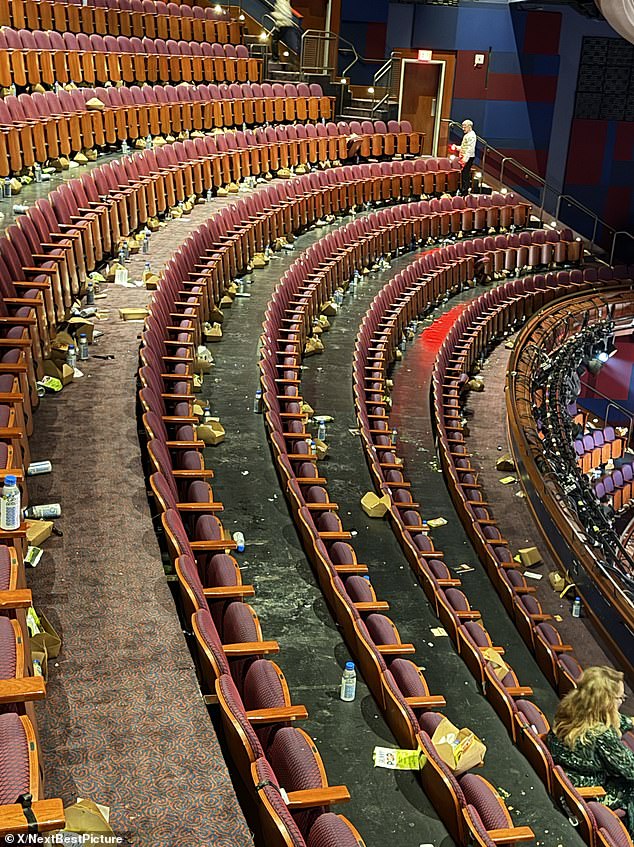
Yet the optics can turn quickly. One viral image of the Dolby Theatre littered with abandoned snack boxes and popcorn became a symbol of perceived hypocrisy, as fans on X contrasted the mess with the industry’s environmental messaging. “What planet are they on?” one user wrote, accusing stars of lecturing about carbon while leaving a celebrity-sized trail of trash behind.
The Academy is caught between constituencies. Trim categories such as editing or sound, and artists revolt. Leave the show long, and viewers bail. Try to infuse politics, and some audiences tune out. Avoid politics, and others complain the show feels toothless and irrelevant.
A Risky Bet on YouTube
Behind the scenes, conversation has shifted from tweaking the telecast to reimagining it altogether. Insiders describe a serious exploration of a future in which the Oscars live primarily on a major digital platform such as YouTube, wrapped in a rich ecosystem of clips, pre-shows, viral-ready acceptance speeches, and algorithm-friendly recaps.
The pitch is simple and unsentimental. Shorten speeches to under a minute. Design segments for clipping and sharing. Let the algorithm carry breakout moments to viewers who never planned to watch. The live show becomes the skeleton. The online afterlife becomes the real muscle.
For traditionalists, the prospect is bittersweet. The Oscars were once the last appointment-viewing night for many Gen X and Baby Boomer movie lovers, an annual excuse to see Hollywood dress up and anoint its legends. Now, as one Academy member bluntly put it, “This is not about prestige anymore. It is about our survival.”
The stakes are not abstract. If broadcast audiences continue to dwindle, advertising dollars will follow. That means fewer resources for the kind of lavish production that gave the Oscars their aura in the first place. In a twist worthy of a screenplay, the show that crowned cinema’s most enduring stories is now fighting for its own third act, trying to drag itself, kicking and glittering, into the digital age without losing the magic that made it matter.
Do you still make a night of watching the Oscars live, or have you shifted to catching only the highlights on social media?