


TLDR
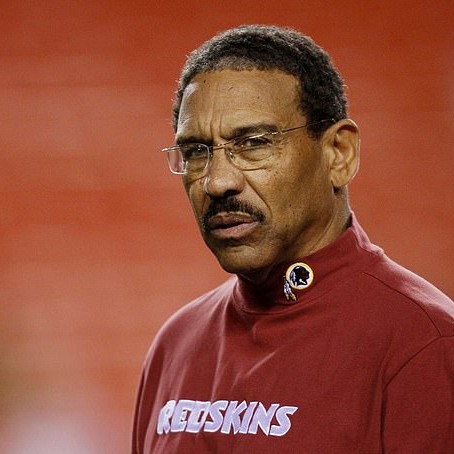
Four-time Super Bowl champion coach and former New York Jets running back Sherman Lewis has died at 83, his fingerprints all over modern NFL history.
As tributes pour in, admiration for his mind and mentorship is mingled with a lingering question. How did a coach this accomplished never get his own franchise to lead?
Michigan State University confirmed Lewis’ death and called back the young star who electrified East Lansing as a first-team All-American running back in 1963 and a Heisman Trophy finalist. The school said in a statement, “We are deeply saddened to learn of the passing of Sherman Lewis,” and praised his “decorated NFL coaching career that included four Super Bowl titles.”
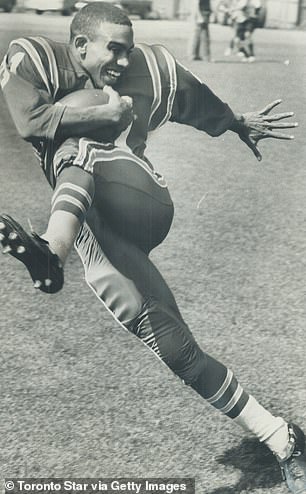
Lewis reached the NFL as a player in the 1960s, landing with the Jets for two seasons. His stat line as a running back was modest, but the real story began when he swapped a helmet for a headset. On the San Francisco 49ers staff in the 1980s, working under Bill Walsh, he helped shape the playbook during a dynasty that defined Sunday television for a generation.
Three Super Bowl rings with the 49ers were followed by a fourth in Green Bay, where he served as offensive coordinator under Mike Holmgren. When the Packers beat the Patriots in the Super Bowl in the late 1990s, that third Lombardi Trophy for Green Bay was also Lewis’ fourth as an assistant coach. His work helped power an era that swung from Joe Montana and Jerry Rice to Brett Favre and the frozen roar of Lambeau Field.
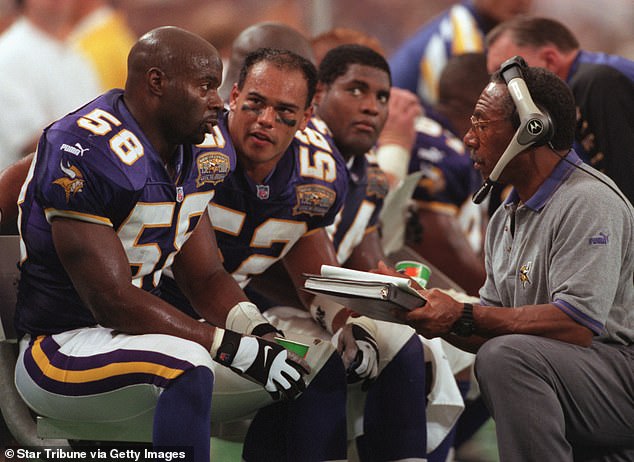
For all that success, the promotion that seemed to be a natural next step never came. Lewis interviewed for head coaching jobs, but none of them turned into offers. Reflecting in 2015, he summed up his journey with characteristic calm. “We won Super Bowls in San Francisco and one in Green Bay. And I got to work with some great coaches and players,” he said. “No question, I wish I had the chance to be a head coach. But looking back, I did all I could. I was disappointed, but I am not going to hang my hat on that. I had a great career and was fortunate to coach in the NFL.”
That tension between pride and what-might-have-been is echoing loudly now. One fan on X wrote, “What a great man and coach. I grew up down the street from Lewis. RIP Coach,” while another pointed out that he rose through the ranks before the Rooney Rule existed, noting that he “never got an opportunity to be a head coach.”
Even late in his career, teams trusted his voice. In 2009, he stepped in as an offensive consultant in Washington and eventually called plays after head coach Jim Zorn was stripped of that responsibility. It was a quiet acknowledgment from inside the league of how much his eye for offense still mattered.
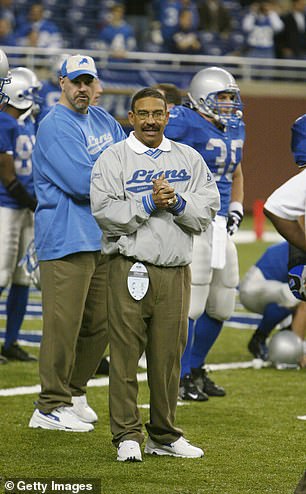
Lewis recently received an Award of Excellence from the Pro Football Hall of Fame, a symbolic gesture that felt like the league catching up to a legacy that had been hiding in plain sight for decades. For fans who lived through the 1980s and 1990s with the 49ers and Packers on their screens, his death is not just the loss of a coach. It is a reminder of how many game plans were drawn by men whose names were never on the marquee.
In the end, Sherman Lewis leaves behind rings, records, and generations of players and coaches who swear by his influence. The head coaching title never came, but the tributes suggest that around the NFL, many now see him as something just as lasting. A quiet architect of an era.
How will you remember Sherman Lewis: as the architect behind dynasties, a symbol of overlooked coaching talent, or both?