

TLDR
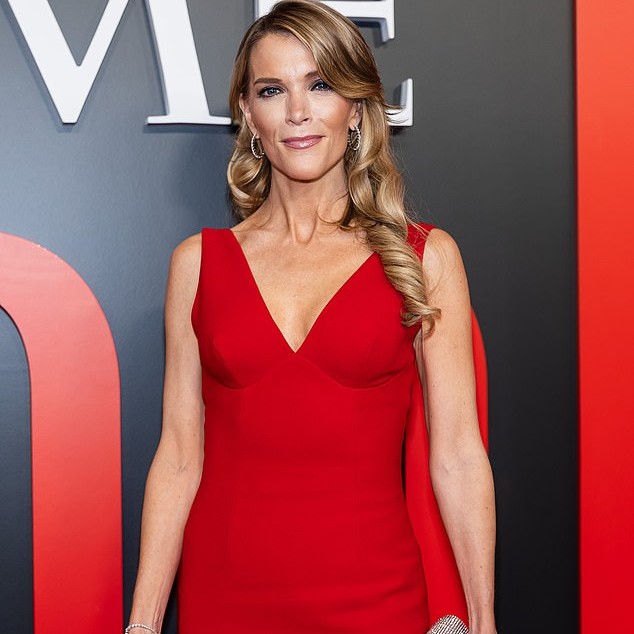
Megyn Kelly publicly branded Bill Maher a “hypocrite” after his pro-Israel monologue on “Real Time With Bill Maher”, turning a late-night lecture into a very modern media feud.
Two of television’s most vocal anti-woke personalities are now training their fire on each other. Megyn Kelly and Bill Maher, who have both built brands on defying partisan lines, collided over Israel, antisemitism, and who gets to claim the moral high ground.
The flashpoint came on Maher’s Friday episode of “Real Time With Bill Maher”, during an extended “New Rules” segment tied to Israel’s 78th anniversary. Maher argued that hostility toward Israel has crossed into something darker in progressive spaces.
“Jew hatred isn’t just acceptable now, it’s cool,” Maher told his audience. “And Democrats? Where are you? If any other minority group was being talked about this way, you’d break out the kente cloth and have ten benefit concerts.”
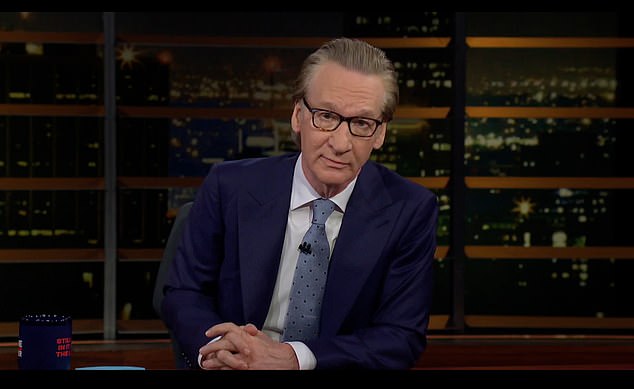
He pushed further, chastising liberals who describe Israel as a colonizer or apartheid state. Maher said that if some of his critics spent a week elsewhere in the Middle East, they would better understand what liberal values do and do not look like.
On X, Kelly seized on the moment and on Maher’s personal history. The former cable news anchor, now a right-leaning podcaster, wrote, “He’s such a hypocrite. “Anti-woke warrior,” except when it comes to the one identity he shares, and then he’s full BLM 2020.”
Maher has often referenced his Jewish mother and Catholic schooling, while also saying he does not identify as Jewish. Kelly’s post suggested that when the issue touches Maher’s own background, his critics believe his centrist, anti-woke persona suddenly softens.
The monologue itself was designed as a provocation. Maher said that if people believe Israel is “the monster country of all time” on human rights, they either do not read or ignore their own inconsistency. He pointed instead to abuses in China, Russia, Sudan, Iran, Haiti, and North Korea, which he described as “all way worse.”
He framed antisemitic speech as legally protected but morally evasive. According to Maher, it is “everyone’s right in a free country to be antisemitic,” but he urged people to stop “hiding behind Israel, or Zionism or Netanyahu.” He closed by warning Democrats not to ask why he is harder on them until they “fix this whole issue.”
Kelly’s critique landed in a complicated chapter of her own record on Israel. She defended the country after the Hamas attacks in October 2023, but later condemned Israeli Prime Minister Benjamin Netanyahu over the military campaign in Gaza, as Mediaite noted. That evolution set the stage for some of her followers to question her new attack on Maher.
Responses to Kelly on X underscored a split inside her audience. One commenter insisted, “The pro-Israel side IS the anti-woke side, Megyn. You’re just too blinded by your love of clicks to see that.” Another wrote, “I still love you, Megyn, but this is an erroneous argument; it is anti-woke to defend the Jews bc woke people are generally anti-Semitic, right?”
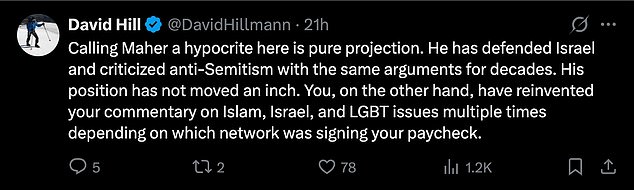
For Maher, the moment reinforces his role as a scold of the left on cultural issues, even as many progressives already see him as out of step. For Kelly, the decision to label him a hypocrite keeps her at the center of the conversation about who truly owns the anti-woke mantle.
What began as an eight-minute lecture about Israel has become something larger. It is now a test of two carefully constructed media identities, and of how far their audiences will follow when politics, faith, and personal history collide on screen.
Does this feud change how you see Megyn Kelly or Bill Maher, or does it simply reveal how fragile the “anti-woke” label can be when identity and geopolitics overlap? Share where you land on their clash, and whether either brand emerged stronger.