


TLDR
Dennis Locorriere, the tender-voiced frontman of Dr. Hook whose songs scored countless slow dances and sing-alongs, has died at 76 after a battle with kidney disease.
For anyone who grew up with a transistor radio tuned to soft rock, Dennis Locorriere was more than a name in the liner notes. He was that unmistakable, slightly husky voice drifting through car speakers and living rooms, now silenced after what his team calls a long, courageous fight with kidney disease.
Locorriere died in mid-May, his management confirmed, sharing that the singer was surrounded by loved ones. In a statement, they said, “It is with great sadness that we announce the passing of Dennis Locorriere, who, after a long and courageous battle with kidney disease, passed away peacefully surrounded by his loved ones.” They added that “Dennis faced his illness with remarkable strength, dignity, and resilience throughout, and remained deeply cherished by all who knew him.”
That warmth was already familiar to millions through Dr. Hook, the band that quietly became one of the era’s most reliable hit machines. The group amassed more than 60 gold and platinum singles and hit number one in dozens of countries, a global reach that far outstripped their scruffy, bar-band beginnings.
Dr. Hook started in the mid-1960s with George Cummings, Ray Sawyer, and Billy Francis. Locorriere joined a couple of years later as a bass player, then gradually became the band’s vocal heartbeat. Performing first as Dr. Hook & The Medicine Show, they later shortened the name as their sound softened and spread across pop radio.
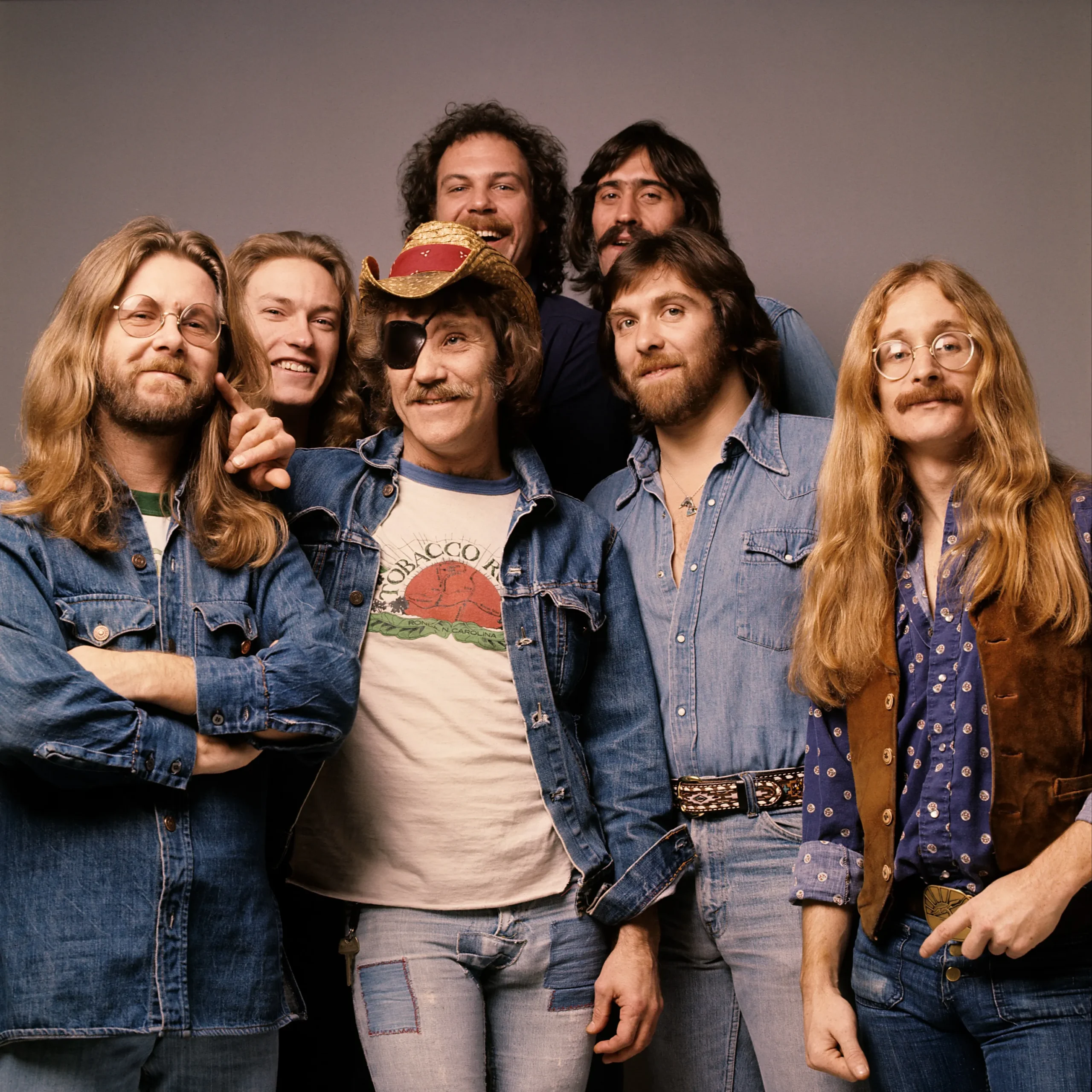
The hits formed a soundtrack for late-night drives and teenage heartbreak. The band became famous for songs like “Cover of the Rolling Stone”, “Sylvia’s Mother”, and “When You’re in Love with a Beautiful Woman”, records that carried as much wry storytelling as romance. For many fans, hearing those tracks now feels less like nostalgia and more like reopening a time capsule.
Locorriere was born in Union City, New Jersey, but spent nearly a quarter century based in the United Kingdom, where he cultivated a loyal touring audience. His career stretched across five decades, and even as trends shifted, he continued to perform well into his 60s. His company retained ownership of the “Dr. Hook” trademark, which allowed him to keep the songs alive on stages around the world.

Beyond his work with the band, Locorriere quietly shaped other artists’ catalogs. His songs were recorded by Willie Nelson, Helen Reddy, Bob Dylan, and Olivia Newton-John, a backstage influence that underscored his reputation among musicians as a storyteller first and a star second.
He also reunited with an early creative ally when he narrated “Runny Babbit”, the Shel Silverstein children’s book released in the mid-2000s. It was a fitting full-circle moment, given how closely Dr. Hook’s early success was tied to Silverstein’s songwriting and offbeat sensibility.
In their parting message, Locorriere’s team said he “will be remembered for his warmth, love, and the lasting impact he had on those around him.” For listeners who still know every word to those worn-out 45s, that impact lingers each time his voice comes through the speakers, turning a familiar chorus into a small, private reunion.
Did Dennis Locorriere’s music score a moment in your life, from a first dance to a long road trip home? Share your memories, favorite Dr. Hook tracks, and how you will remember his voice and legacy.