


Patrick Dempsey says he woke up to a headline no friend, no co-star, and no fan ever wanted to see. Eric Dane, the swaggering surgeon who turned “Grey’s Anatomy” into prime-time lightning and helped define a television decade, was gone at 53 after a battle with ALS. Now Dempsey is walking back through their last conversations, the rapid decline he witnessed from afar, and the memories he refuses to let be rewritten by the cruelty of disease.
TLDR
After Eric Dane’s death from ALS at 53, Patrick Dempsey is sharing intimate memories of their final texts, his rapid decline, and the mischievous charm that once lit up their long run on a hit medical drama.
Grief in the Grey’s Family
Speaking on Virgin Radio UK’s “The Chris Evans Breakfast Show,” Dempsey described how the loss reached him not in a hospital corridor, but through a news alert. According to Page Six, he told host Chris Evans, “I just woke up this morning, and I was very sad to read the news.” The emotion was raw enough that he paused to collect himself before adding, “It is hard to put into words. I feel really so sad for his children.”
Patrick Dempsey details ‘Grey’s Anatomy’ co-star Eric Dane’s final days before tragic ALS death https://t.co/gPY4ugdJAD pic.twitter.com/KlfaCRwArY
— Page Six (@PageSix) February 20, 2026
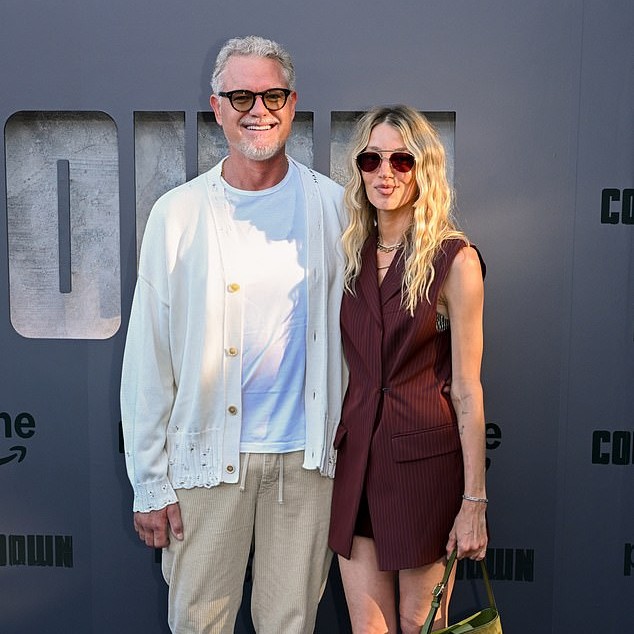
Dane shared daughters Billie and Georgia with actor Rebecca Gayheart. The pair married in 2004, and Gayheart filed for divorce in 2018 after 14 years of marriage, according to People. The legal process lingered in the background for years, but the family unit stayed visible, from school runs to red carpets. Long before the ALS diagnosis, fans had watched them navigate separation, co-parenting, and, later, a quiet decision to remain a family as Dane’s health began to falter.
For Dempsey, the loss is tangled up in those private roles. He did not speak only as a colleague remembering a leading man. He spoke as a father, thinking of two girls who will now grow up with their dad’s laugh captured mostly on screen. “I feel really so sad for his children,” he repeated, a line that landed less like a sound bite and more like a quiet admission from someone who understands how fame complicates grief.
Dempsey also revealed that this goodbye did not come suddenly. “I was corresponding with him, we were texting, so I spoke to him about a week ago,” he shared. He said mutual friends had gone to visit and returned with sobering updates. “Some friends of ours went in to see him, and he was really starting to lose his ability to speak.”
By then, ALS had stripped away the muscles that once sold “McSteamy” to millions. “He was bedridden, and it was very hard for him to swallow, so the quality of his life was deteriorating so rapidly,” Dempsey explained. The clinical description sat alongside a different picture in his mind, one of a friend in full command of a room, quick with a joke and utterly alive.
Final Texts and Fading Speech
There is a heartbreak that comes with watching a performer lose his voice, particularly when that voice helped carry a phenomenon like “Grey’s Anatomy.” Dempsey suggested that in their final exchanges, the details did not matter as much as the connection. The texts came from two men who once traded banter between surgical scenes and now used a screen to bridge the distance between a healthy body and one in rapid decline.
Dempsey admitted there were limits to what he could share. He chose not to read their last messages aloud. Instead, he focused on what those moments represented, hinting at humor still trying to poke through the pain. Even as speech slipped away, the person he knew remained. That is the version Dempsey is determined to protect.
“He was the funniest man,” Dempsey said, remembering the electricity Dane brought to long days on set. He called him “such a joy to work with” and made it clear that ALS, as devastating as it was, did not get to author the final word on his friend’s story. The last texts may have been shorter, the voice weaker, but the bond was still there.
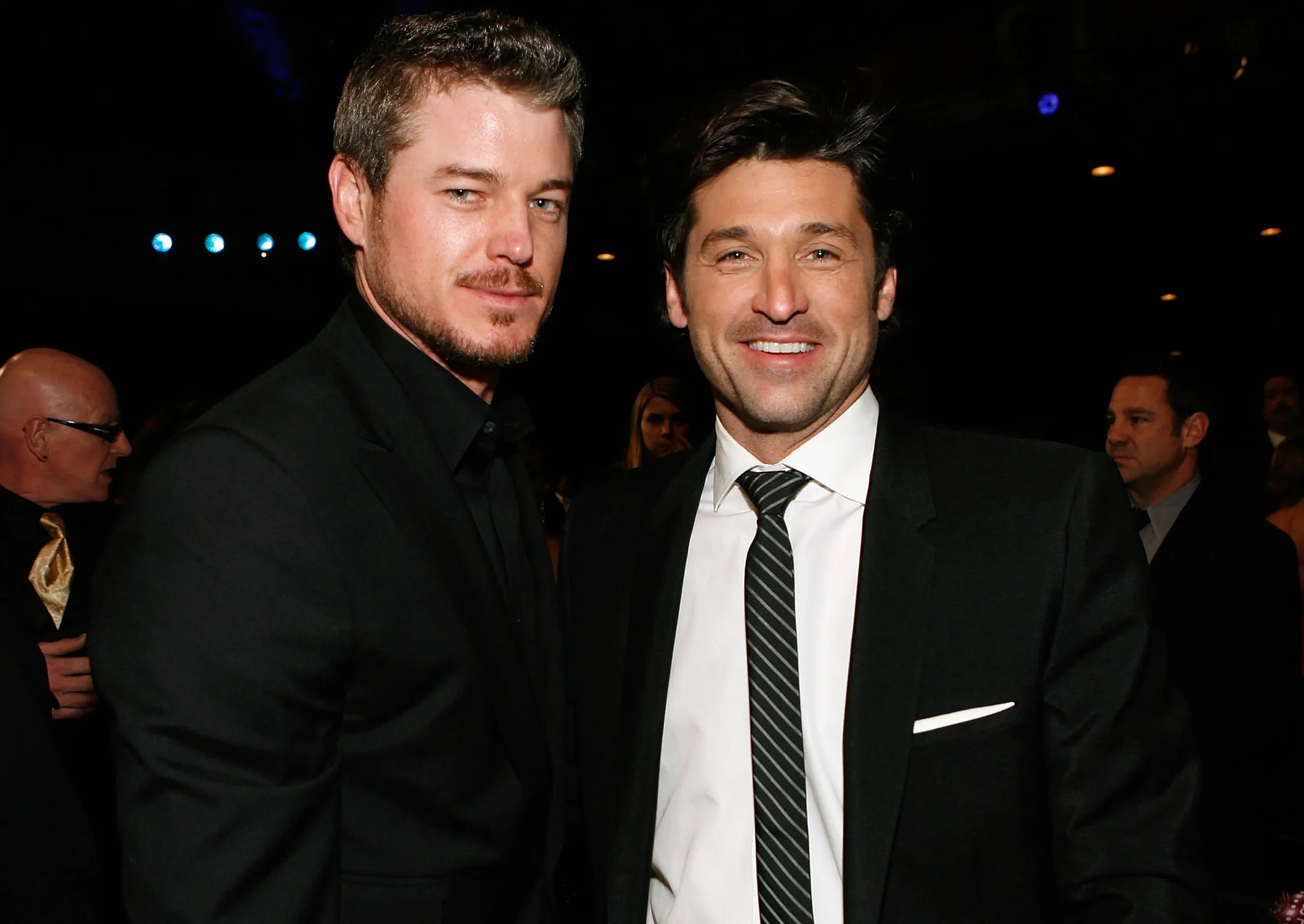
In the world of long-running TV, where schedules are brutal and egos can clash, Dempsey described something more grounded between them. “We hit it off because there was never really any competition. There was this wonderful mutual respect,” he said. For viewers, they were “McDreamy” and “McSteamy,” two sides of the same romantic fantasy. For each other, they were simply colleagues who found an easy rhythm.
From McSteamy to Advocate
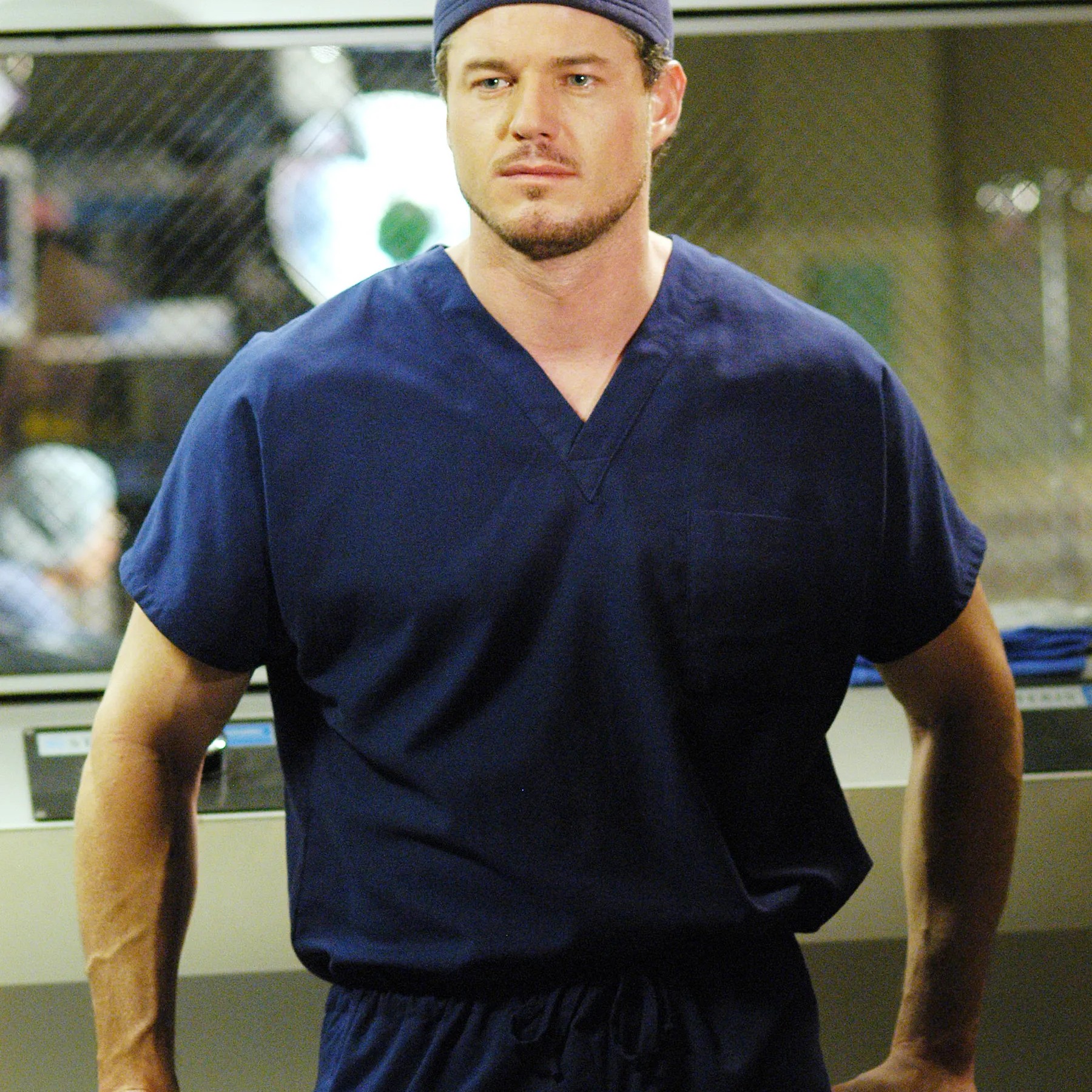
Dane’s entrance into “Grey’s Anatomy” lore is the kind of scene that becomes instant mythology. Dempsey can still see it. “First scene was him in all of his glory coming out of the bathroom with a towel on, looking amazing, making me feel completely out of shape and insignificant,” he remembered with a laugh. It was 2006, early in Season 2, and in one moment, Mark Sloan arrived, fully formed, a rival, a friend, and a character who would be quoted for years.
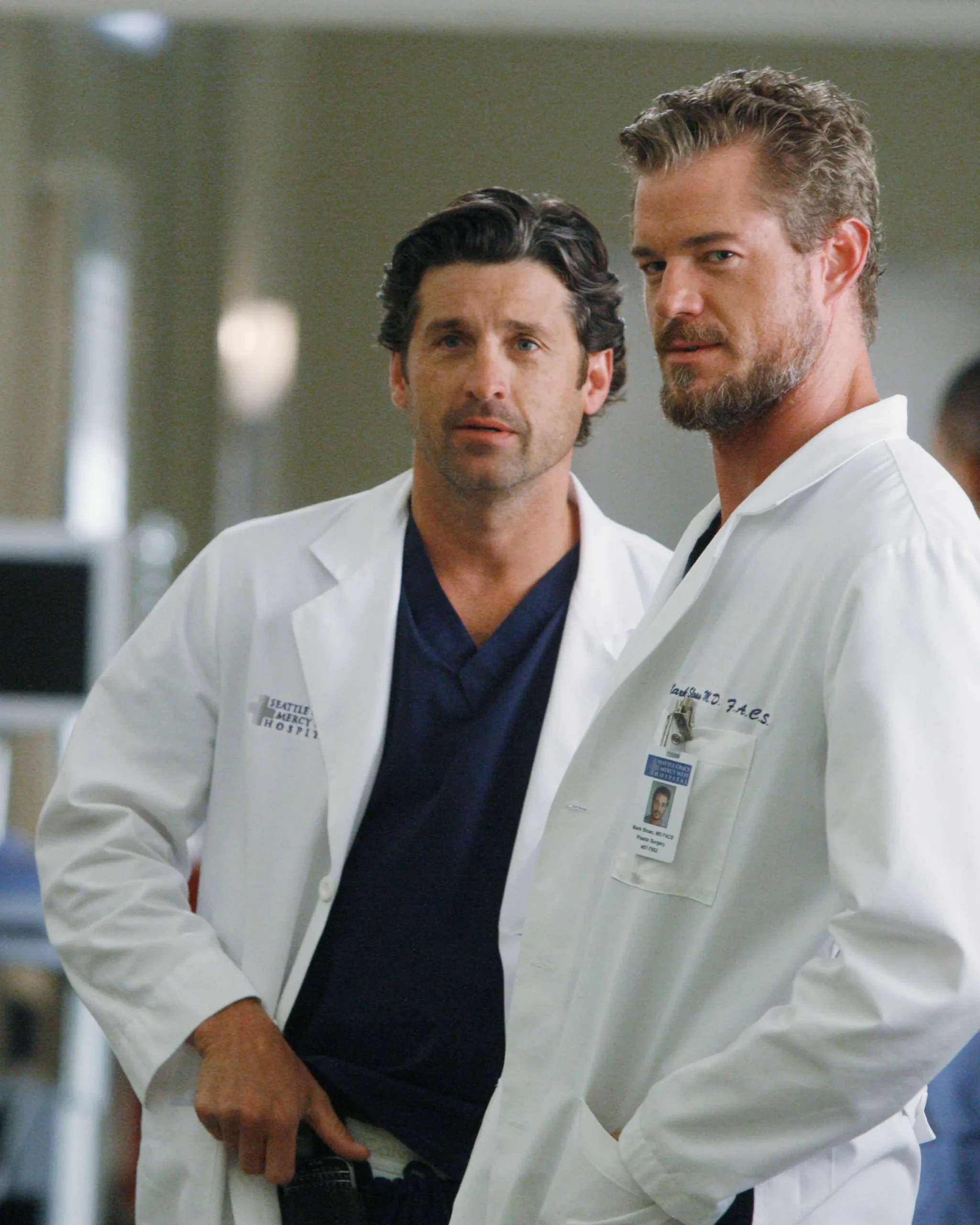
Dempsey said that any supposed rivalry between their heartthrob personas never touched the work. “Any time he was on the set, he brought so much fun to it,” he noted. The set could be intense, intricately choreographed around medical jargon and emotional confrontations, but Dane had a way of lightening the load without ever losing focus. For Dempsey, that combination of mischief and discipline is what made him unforgettable.
Off-screen, Dane’s third act came with a brutal twist. He revealed his ALS diagnosis in April 2025 and almost immediately turned his own nightmare into a mission. Even as he quickly began to lose control of his limbs, he kept working. He appeared in Season 2 of NBC’s “Brilliant Minds” as a firefighter facing an ALS diagnosis, a role that mirrored his real life in ways that were impossible to ignore. He also completed work for Season 3 of “Euphoria,” continuing to collaborate with younger casts who had grown up watching him on network television.
His family made it clear that this advocacy was not a side note. In a statement released the night before Dempsey spoke publicly, they wrote, “With heavy hearts, we share that Eric Dane passed on Thursday afternoon following a courageous battle with ALS.” They added, “Throughout his journey with ALS, Eric became a passionate advocate for awareness and research, determined to make a difference for others facing the same fight.”
The statement closed with a message that reached beyond Hollywood. “He will be deeply missed, and lovingly remembered always,” his family said. “Eric adored his fans and is forever grateful for the outpouring of love and support he has received.” For viewers who discovered him as Dr. Mark Sloan and later followed him into darker cable dramas, it was a reminder that fandom had never been a one-way street.
Love, Family, and ALS
For all the talk of towel scenes and fan nicknames, the most fragile part of Dane’s story sits far away from any soundstage. ALS does not just attack the body in public. It rearranges private rituals, from bedtime stories to family vacations. When Dempsey said he was thinking about Dane’s children, he was acknowledging a loss that cameras will never fully capture.
Billie and Georgia grew up in a world where their father’s work lived in syndication, always a channel away. Their mother, Rebecca Gayheart, carried her own fame and her own relationship with the industry. According to People, she filed for divorce from Dane in 2018, but the pair continued co-parenting closely. In recent years, as Dane’s health declined, they moved less like exes and more like a unit holding steady around two daughters and a devastating diagnosis.
The family’s statement about his advocacy resonated with people who have watched loved ones fight ALS at home. It acknowledged the hospital visits, the physical indignities, and the endless research into treatments that have not yet arrived. It also honored a choice: to use a public platform to talk about a disease that often unfolds in silence.
Dempsey’s memories filled in the emotional color. He chose to focus on the joy. “I just want to remember him in that spirit because any time he was on the set, he brought so much fun to it,” he said. The word “spirit” did heavy lifting. It was not just about humor, but about a way of moving through life that preceded the illness and, in his mind, will outlast it.
A Legacy Written in Reruns
For many viewers, especially those who grew up with network dramas as appointment television, Dane’s legacy is already woven into nightly routines. Reruns of “Grey’s Anatomy” continue to cycle through Mark Sloan’s arc, from swaggering plastic surgeon to complicated, vulnerable friend. Streaming has ensured that new generations still gasp at his first towel scene and grieve his eventual exit from the show.
Dempsey, who left “Grey’s Anatomy” years before Dane’s death, has lived long enough with his own character’s immortality to understand what that means. The man who played Derek Shepherd knows that in living rooms around the world, Mark Sloan and Derek are still cracking jokes in scrub caps, frozen in the kind of youth that disease cannot touch.
“I am always going to remember those moments of fun that we had together and celebrate the joy that he did bring to people’s lives,” Dempsey said. It was part promise to his friend, part instruction to a fandom processing sudden loss. His words framed Dane’s final months not as an erasure of the past, but as a coda to a career that had already given millions of viewers exactly what they tuned in for: escape, romance, and a sense that even the most chaotic lives could find connection in a crowded hospital hallway.
Dempsey also joined other “Grey’s Anatomy” alumni in sharing tributes, though he kept his comments focused squarely on Dane rather than on himself. That choice fit the story he seemed determined to tell, one in which ALS is acknowledged clearly but never allowed to overshadow the man who once walked out of a fictional bathroom wrapped in a towel and into a kind of television immortality.
Join the Discussion
How will you remember Eric Dane, and do you find yourself revisiting the “Grey’s Anatomy” years differently after hearing Patrick Dempsey’s memories?