

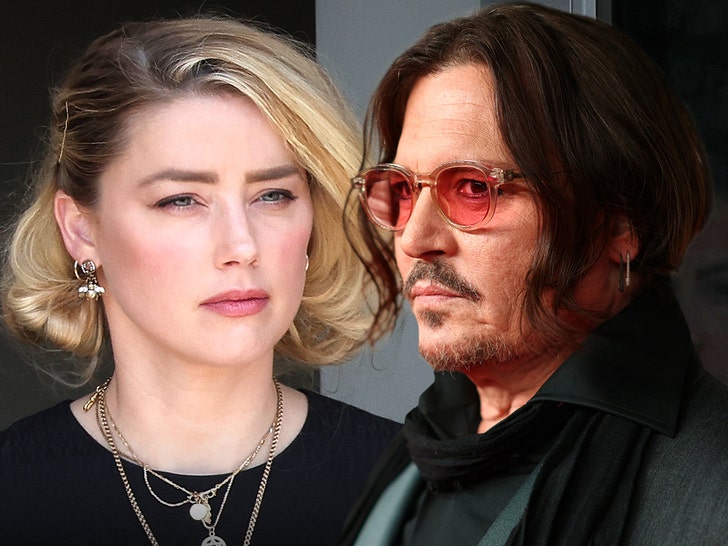
‘Silenced’ and a Star Who Says She Cannot Speak
Heard appears on camera in “Silenced,” describing how the defamation trial and its aftermath changed the way she feels about using her voice in public.
“I didn’t understand it could get so much worse for me as a woman, using my voice. I have lost my ability to speak. I am not here to tell my story. I don’t want to tell my story. In fact, I don’t want to use my voice anymore. That’s the problem,” she says in the documentary, laying bare the emotional cost of a trial that played out in front of the entire world.
Amber Heard recalls the Johnny Depp trial in an unexpected appearance in the Sundance documentary “Silenced”:
“I didn’t understand it could get so much worse for me as a woman, using my voice. I have lost my ability to speak. I am not here to tell my story. I don’t want to tell… pic.twitter.com/8D4HFTyENd
— Variety (@Variety) January 24, 2026
For an actress who has spent years in front of cameras, the idea of not wanting to speak anymore lands like a confession and a warning. She is not promoting a new movie or pushing a rebrand. She is describing what it feels like when your personal life becomes a global spectacle, and your words become evidence, memes, and ammunition.
The Trial That Turned Into a Global Spectacle
The story that led to this moment began with an op-ed Heard wrote for The Washington Post in December 2018, in which she described herself as a public figure representing domestic abuse. Johnny Depp responded with a defamation lawsuit, arguing that the piece implied he had physically abused her and that the allegations were false.
The case went to trial in Virginia in June 2022 and quickly turned into one of the most-watched celebrity courtroom battles in recent history. Cameras captured every expression. Social media live-commented every testimony. Clips from the courtroom trended across platforms as if they were reality television, not a real legal fight between two people who had once been married.
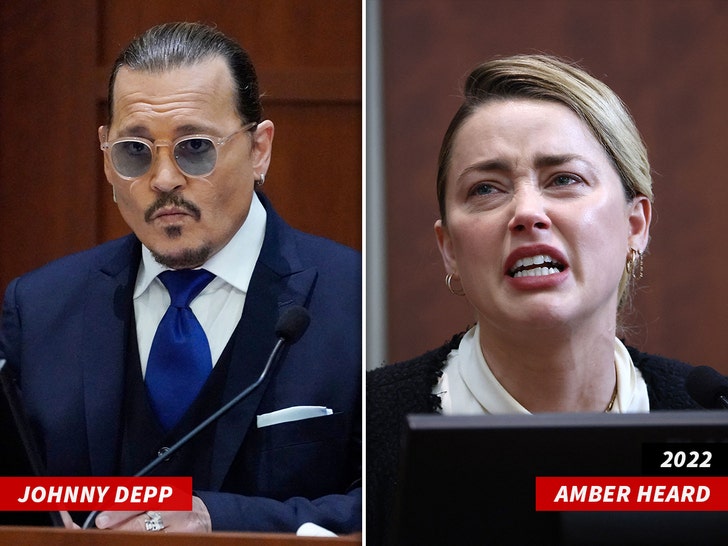
A jury ultimately sided with Depp on key claims and awarded him millions of dollars in damages. The same jury also found in favor of Heard on one of her counterclaims and granted her a smaller damages award. The verdict did not end the public debate. It only hardened it.
For some viewers, the trial became proof that powerful men could clear their names. For others, it was a chilling message to anyone thinking of speaking about alleged abuse. For Heard, as she now says in “Silenced,” it marked the moment she felt she lost the ability to speak at all.
From Red Carpets to a Quiet Life in Spain
After the verdict, Heard stepped away from the Hollywood spotlight. She relocated to Spain, choosing distance and privacy over the constant flash of cameras and commentary. Away from the United States and the court where every word had been picked apart, she began building a life that was quieter and more insulated.
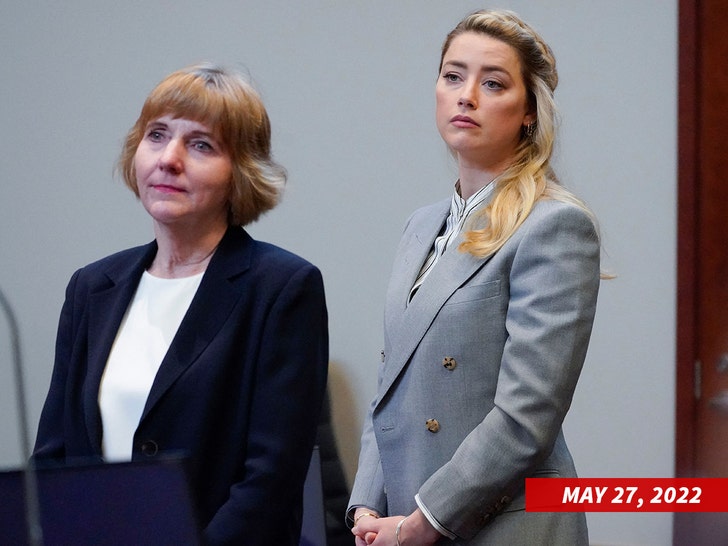
She later welcomed twins, a personal milestone that she has largely kept out of the public eye. There have been far fewer interviews, fewer appearances, and almost no red carpet moments. For an actress who once walked superhero premieres and fashion events, the silence has been striking.
Her move reflects a pattern familiar in celebrity culture. When the noise around a scandal becomes deafening, some stars lean straight into the spotlight and try to control the narrative. Others slip away, crossing oceans and timelines in search of a place where they are not trending, just living.
Heard is firmly in the second category. Yet with “Silenced,” she is letting the world in again, not with a tell-all but with a stark statement about how speaking in the past has changed her future.
Depp’s Career Rebuilds While Opinions Stay Divided
While Heard has retreated, Depp has moved steadily back into public life and major creative work. In the wake of the trial, he has returned to film sets, film festivals, and fashion campaigns, signaling that the industry is ready to embrace him again.
According to TMZ, he has been taking on bigger projects and recently directed a film starring Al Pacino. That choice, stepping behind the camera with another legendary actor, underscores the degree to which he is reasserting himself as a serious creative force.
The contrast is hard to ignore. He is directing movies with icons. She is telling a documentary audience that she no longer feels able to tell her own story. Whatever side people took during the trial, the post-verdict trajectories of the two stars illustrate the uneven ways reputations and careers can rebound in the court of public opinion.
Online, the conversation has never fully cooled. Social media still revisits clips from the courtroom, parses old interviews and reignites arguments with a few taps. The trial may be over. The narrative tug-of-war over what it meant continues.
What It Means To Lose Your Voice in Public
In “Silenced,” Heard does not list every consequence of the trial. Instead, she focuses on one core idea. The price of speaking out, in her experience, was so high that she no longer sees her voice as a tool. She sees it as a liability.
Her words land in a culture where speaking your truth is a mantra, yet public figures are punished loudly and instantly when that truth collides with powerful interests, passionate fan bases, or viral narratives. The defamation trial was not just a legal dispute. It became a referendum on whom the world believed and why.
Heard’s admission, “I have lost my ability to speak,” cuts directly into that tension. She is not saying she has nothing left to say. She is saying that the environment in which she would speak feels too hostile and too exhausting to face again.
For many viewers, especially those who watched the trial unfold in real time, the quote may feel like a mirror. How many people joined the online pile-on? How many watched for entertainment? How many forgot that behind every viral clip was a person who would still have to live with the repercussions long after the livestreams stopped.
From Courtroom Drama to Cultural Cautionary Tale
The Heard and Depp saga has already become a cultural touchstone. Law experts study it as a landmark defamation case. Entertainment insiders view it as a turning point in how Hollywood handles allegations of abuse and backlash. Social media users remember it as the trial that took over their feeds.
Now, with “Silenced,” the narrative is shifting again, at least from Heard’s perspective. The focus is no longer on what happened between two people behind closed doors. It is on what happens to a person when their most painful experiences become global content.
The documentary appearance does not resolve the debates that raged during the trial. It does something quieter and, in its own way, more unsettling. It shows a woman who once chose to speak publicly about her life now wrestling with whether speaking is worth it at all.
In an industry built on voices, faces, and stories, Amber Heard’s choice of words resonates far beyond one courtroom. “I don’t want to use my voice anymore,” she says. The question that lingers for everyone watching is simple and uncomfortable. What does it say about us that a star can feel that way after we have seen her story unfold in such unforgiving detail?