


TLDR
Shaggy collaborator Rik Rok’s half-sister has lost her inheritance fight over their late father’s 1 million estate, and now faces a 126,000 court bill that highlights a family rift behind a global hit.
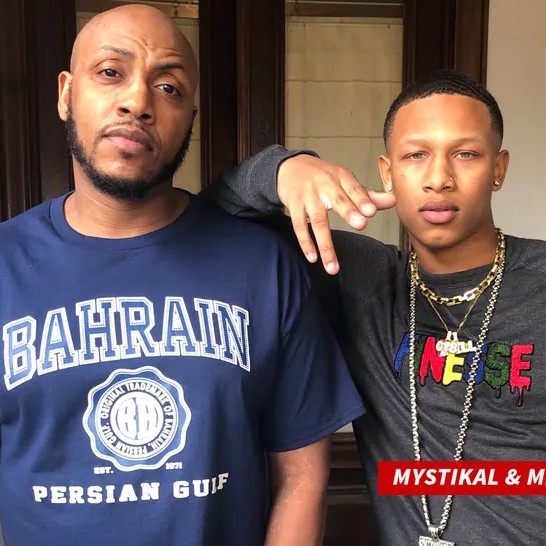
For fans, “It Wasn’t Me” is a playful anthem of the early 2000s. In court in London, the story around one of its co-writers is very different. At the center is Rickardo “Rik Rok” Ducent, the British-Jamaican vocalist whose duet with Shaggy topped charts, and his half-sister, former civil servant Sarah Ducent.
Sarah took her stepmother, Dorothy Ducent, to court seeking what the law calls “reasonable provision” from the estate of their father, entrepreneur Herbert Ducent. Herbert died in his early 60s and left the bulk of his roughly 900,000 English estate, part of a fortune valued at about 1 million, to Dorothy under a will prepared in Jamaica.
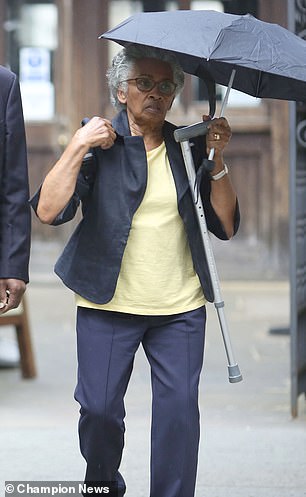
Sarah argued that she had been cut off and was living in poverty in London. Outside the court, she described a life that sits in stark contrast to pop-star comfort. “I am hurt by the whole thing, and I’ve lost my whole family,” she said. “This money would make a great difference in my life, I am on the breadline right now.”
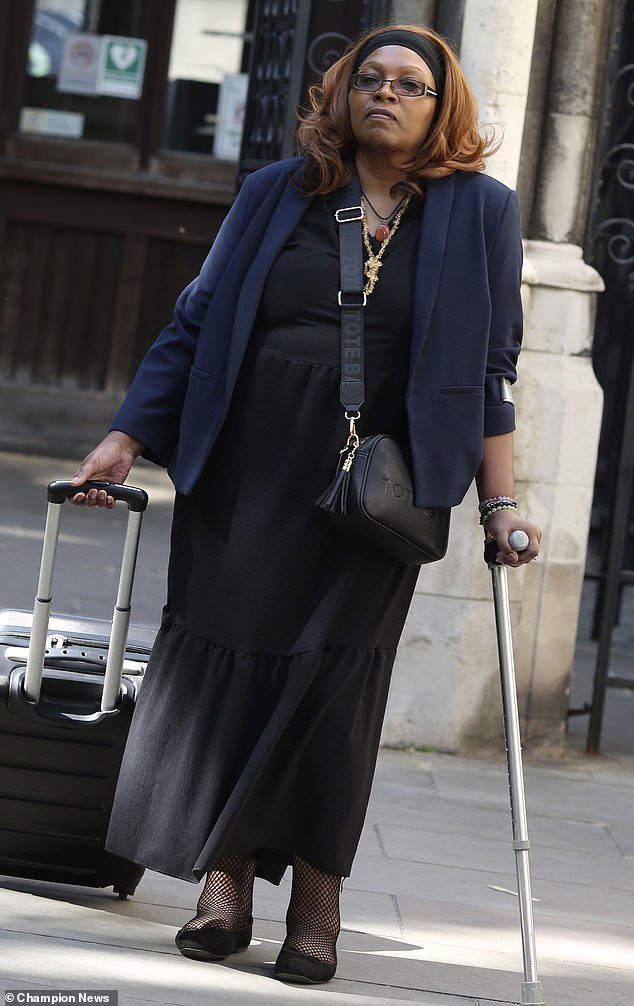
The stakes were not only financial. The case put a family history under a legal microscope. Herbert had built a successful construction company in Jamaica and ran a busy bakery on Coldharbour Lane in Brixton, with Dorothy working alongside him. His English assets centered on two neighboring properties in Sydenham, together valued at about 900,000.
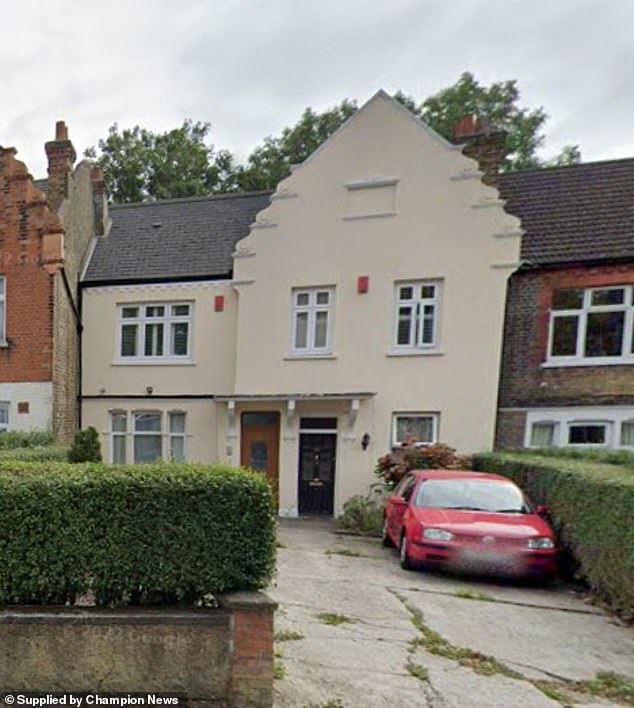
To win a share, Sarah needed to show that Herbert was legally based in England at the time of his death. The court instead accepted that Herbert was domiciled in Jamaica. He had moved the family there in the 1980s, and although Dorothy later returned to London, he never came back to England to live.
The legal battle also revived a painful question: had father and daughter become estranged? In evidence reported from an earlier hearing, Rik said that Herbert had told him there had been a serious argument when Sarah was studying in the UK. According to Rik’s account, a family friend complained to Herbert about Sarah’s behavior, and on a later trip, he confronted her.
Rik said his father described Sarah declaring she wanted no more contact. Sarah has denied cutting ties with Herbert, leaving a gap between her account and the story Rik says he heard from their father.
When Sarah’s claim to the estate was dismissed, the judge ordered her to pay 126,000 towards Dorothy’s legal costs. She returned to Central London County Court to challenge that six-figure bill as “excessive” and “disproportionate.” Dorothy’s legal team pointed to a default costs certificate, issued when a party does not dispute costs in time. The court left the certificate in place, and with it the bill.
All of this unfolds against the enduring glow of “It Wasn’t Me.” The song hit No. 1 in the UK in 2001, has passed one billion streams on Spotify, and by 2017 had sold nearly 1.5 million physical copies. In a 2023 interview with the Jamaica Observer, Rik said the hit transformed his life. “I was finally able to silence the detractors who thought I was wasting my life on this music nonsense and I also made my parents very proud,” he shared.
He added that the song allowed him to travel the world and, in his words, “basically retire and focus entirely on raising my beautiful family.” That comfortable legacy now sits beside a very different chapter. In one family, the same father’s name is attached to a chart-topping credit, a Jamaican business success story, and a daughter in London facing a 126,000 bill, saying she has lost not just an inheritance but a family.
Does this case change how you hear “It Wasn’t Me”, or do you see the legal fight as separate from the song’s legacy? Share your take on family, fame, and inheritance.