

TLDR
Bruce Springsteen stood on the steps of power in St. Paul and turned personal tragedy and political fury into “Streets of Minneapolis,” signaling that his next tour will be an unapologetically political chapter in his legacy.
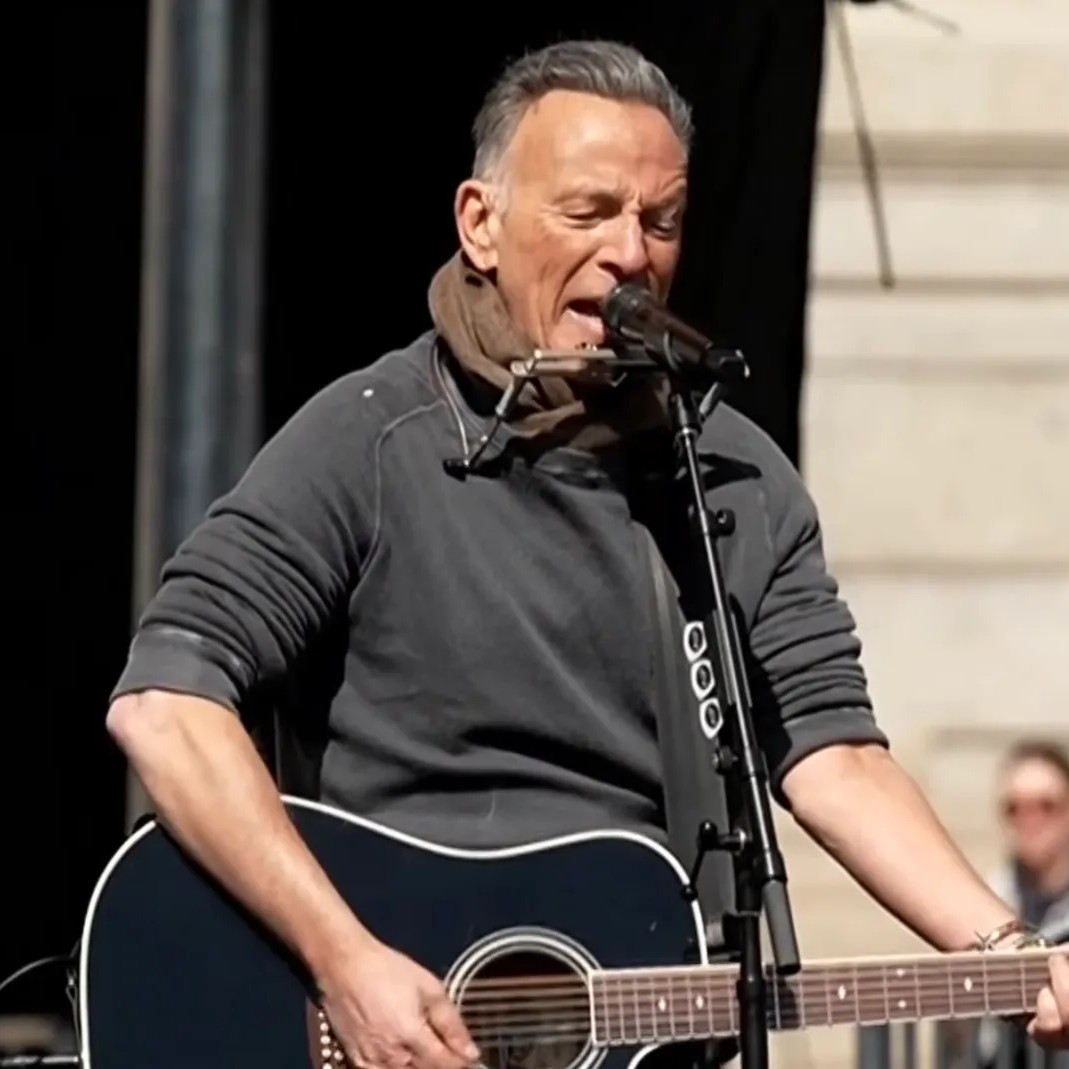
Outside the Minnesota State Capitol in St. Paul, Bruce Springsteen stepped to the microphone at the flagship No Kings rally and treated the crowd of thousands not as fans, but as witnesses. He introduced “Streets of Minneapolis” with a speech that felt more like testimony than stage banter.
“This past winter, federal troops brought death and terror to the streets of Minneapolis, but they picked the wrong city,” Springsteen told the crowd. “The power and the solidarity of the people of Minneapolis and Minnesota were an inspiration to the entire country. Your strength and your commitment told us that this is still America, and this reactionary nightmare and these invasions of American cities will not stand. You gave us hope, you gave us courage.”
Then he said the names that have haunted the movement. Renee Good, a mother of three, and Alex Pretti, a VA nurse, were both killed in ICE shootings that shook the city. “For those who gave their lives: Renee Good, mother of three, brutally murdered. Alex Pretti, a VA nurse, was executed by ICE. Shot in the back and left to die in the street without even the decency of our lawless government investigating their deaths,” he said. “Their bravery, their sacrifice, and their names will not be forgotten.” With that, he launched into “Streets of Minneapolis.”
Springsteen wrote and recorded the song in the aftermath of those shootings. He first unveiled “Streets of Minneapolis” live in January at a benefit concert at Minneapolis venue First Avenue, turning a club date into a kind of civic vigil. In an interview with the Minnesota Star Tribune about that night, he reflected, “There are certain moments where you are in the right place at the right time and something deeply meaningful occurs that is bigger than the band. It all has to do with the events of the day, the moment you are in.”
He brought the song back at Democracy Now!’s 30th-anniversary event in New York, and now to the No Kings rally, where it became an anthem for a movement defined by resistance to federal force on American streets. “The No Kings movement is of great import right now,” Springsteen told the Star Tribune. “When you have the opportunity to sing something where the timing is essential and if you have something powerful to sing, it elevates the moment, it elevates your job to another level.”
For fans who wore out copies of “Born to Run” in the 1970s and saw “The Rising” become a national elegy after 9/11, “Streets of Minneapolis” fits squarely into a familiar Bruce archetype. The rock star as chronicler, threading individual loss through the larger story of what America is, and what it risks becoming.
That is the frame for his upcoming Land of Hope and Dreams Tour, which will start in Minneapolis and close in Washington. “The tour is going to be political and very topical about what is going on in the country,” he said. “Minneapolis and St. Paul, that was the place I wanted to begin it, and I wanted to end it in Washington.”
At this stage in his career, Springsteen does not need another hit. What he seems to want is a reckoning. “Streets of Minneapolis” plants him firmly inside the No Kings moment, using his reputation as rock’s blue collar laureate to amplify names that might otherwise fade, and inviting longtime listeners to decide how loudly they still want their heroes to sing about power.
Do you see “Streets of Minneapolis” as a defining late-career moment for Bruce Springsteen, or simply the next chapter in a protest legacy you have followed for decades? Share how this new anthem lands with your own memories of his music and the eras it has soundtracked.