

TLDR
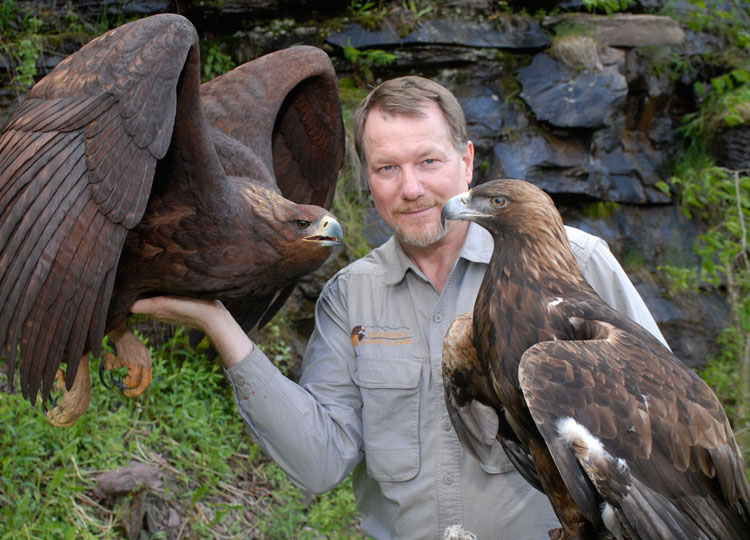
Floyd Scholz lost his shot at Olympic glory in 1980, then quietly reinvented himself in the Vermont woods, where the bird carver is now collected by Hollywood, billionaires, and Robert F. Kennedy Jr.
From Olympic Dream to Reinvention
The story was supposed to end on a track in Moscow. Instead, it begins in the ruins of a dream.
In 1980, decathlete Floyd Scholz was training for the Summer Olympics when the United States boycotted the Games. His Olympic hopes evaporated. His athletic career collapsed. His engagement ended. As he later put it, “Everything kind of crashed for me.”
So he did something that sounded less like a plan and more like an escape. Scholz loaded an old Jeep, left his old life behind, and drove into the mountains of Vermont with a guitar, a banjo, and a lifelong fascination with birds. That retreat became the first chapter of a second act that now stretches into the living rooms of movie stars, political families, and sports legends.
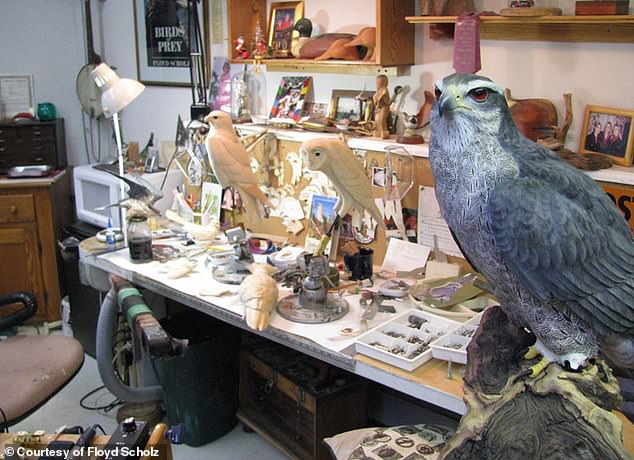
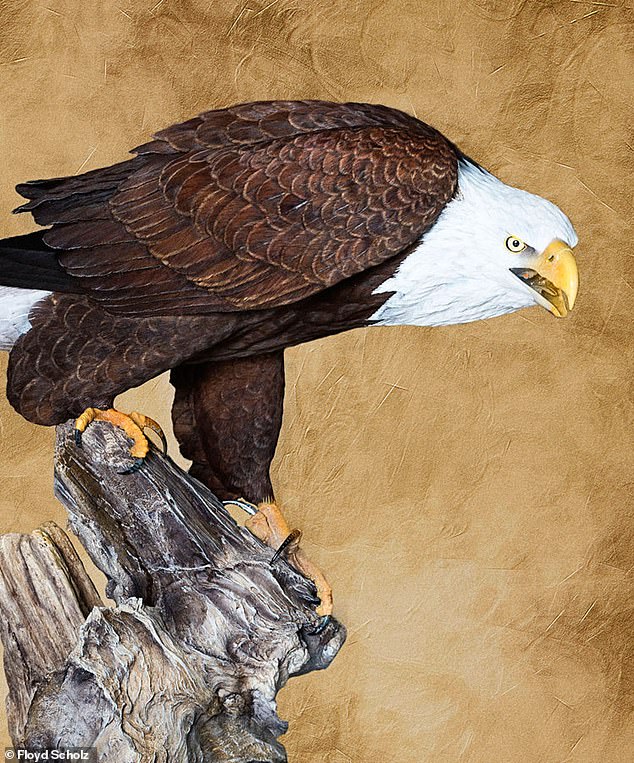
From a secluded studio in the woods, Scholz, now 68, taught himself to carve birds so convincing that real ones sometimes attack them. Blue jays have dive-bombed his owls. Crows have organized against the hawks. Collectors have done their own swooping, paying from thousands to well into six figures for a single piece.
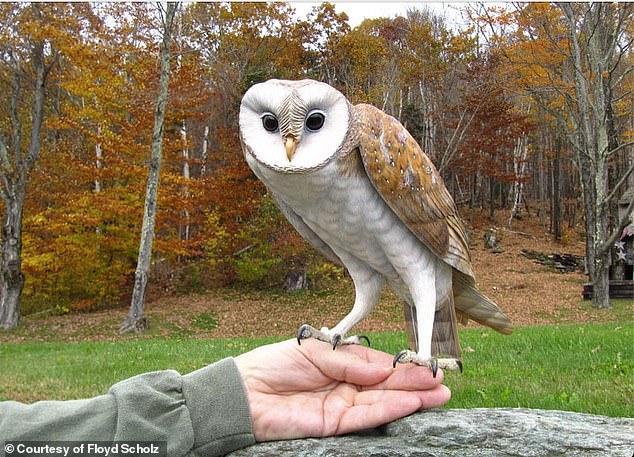
Scholz has won five US national titles and a World Championship of Bird Carving. He has written eight books and sells out seminars across the country. His work lives in museums and behind security gates, passed quietly among people who share craftspeople the way others share private chefs and tailors.
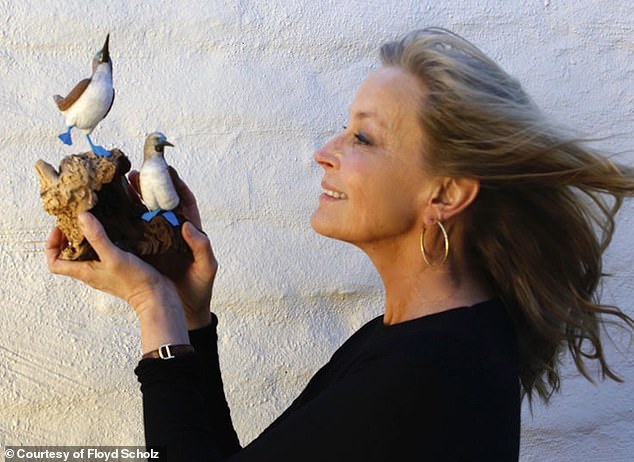
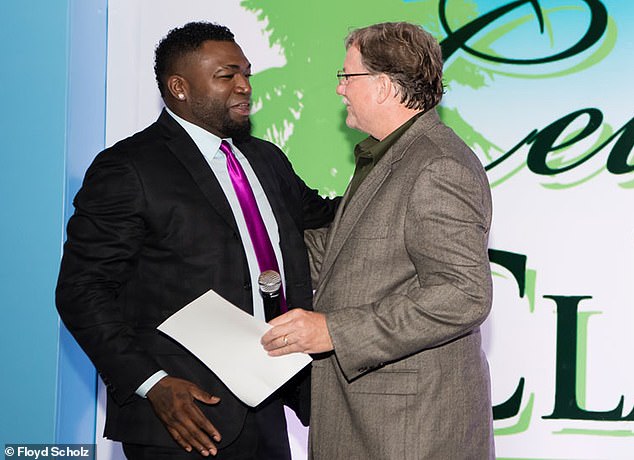
That circle includes Robert F. Kennedy Jr., Richard Branson, and A-list names from Hollywood. Elizabeth Taylor owned multiple pieces and, friends recall, affectionately referred to him as “my carver.” Actress Bo Derek commissioned a pair of blue-footed boobies inspired by her Galapagos travels. Baseball icon David Ortiz received a deeply personal commission from Scholz titled “Life, Legacy & Love,” a carved tribute to Ortiz’s journey from the Dominican Republic to Red Sox legend, complete with symbolic gold chains, a pearl heart, and the national bird.
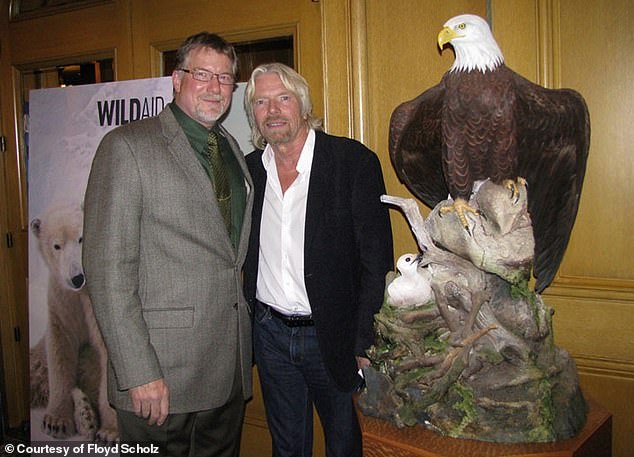
What makes the resume even more improbable is that Scholz never took a formal art lesson. “I was never told you can’t do that,” he said. “So I tried everything.” That experimentation, sharpened by a photographic eye, pushed his carvings far beyond folk art. He studies not just how birds look, but why: the dark markings on a falcon’s face that cut the glare, the fearless set of a red-tailed hawk’s shoulders.
The Art of a Second Act
The connection is personal. Growing up in a turbulent Connecticut home, Scholz often fled outside. “I would run out of the house and hide in the woods,” he remembered. “That was where I felt safe.” Lying in the grass, watching hawks circle, he wished he could fly away. Years later, the boy who once hid beneath branches now carves the creatures that carried his imagination out of reach.
Scholz likes to say, “I don’t finish my birds. I abandon them.” For his collectors, that moment of abandonment is the beginning. A life-size eagle in a glass case, a barn owl on a marble pedestal, a pair of blue-footed boobies in a coastal home. Each piece is a status symbol, a conversation starter, and a quiet reminder that sometimes the most unlikely second acts start where the first great plan ends.
Does Floyd Scholz’s reinvention change how you see the power of a second act, or do you think Olympic glory would have defined him more?