

TLDR
After dismissing CTE and asthma as excuses on a podcast, Giants rookie Cam Skattebo has issued a public apology, as his early-career reputation collides with the NFL’s heightened focus on brain health.
Rookie Joke Turns Career Risk
Cam Skattebo is only one season into his NFL life, yet he is already confronting the power of a single soundbite. Appearing on the “Bring The Juice” podcast, the New York Giants running back was asked if he believed chronic traumatic encephalopathy, or CTE, is real. He replied that CTE was an “excuse” and also brushed off asthma as “fake,” comments that landed with a thud across a league built on collisions.
The clip raced through social media. For many fans and families living with the aftermath of concussions, it felt personal. One user responded that “brain damage and lung issues are not excuses,” while another tried to balance concern and admiration, writing, “Come on @camskattebo5, please be careful. You play so hard, though. Mad respect. Fun to watch you.” The tension between those reactions is where Skattebo now has to rebuild his public image.
The Apology and the Optics
Facing mounting criticism, the 24-year-old turned to Instagram Stories to walk back his words. “I recently did an interview and had a lapse in judgment, which resulted in me making a tasteless joke about CTE and asthma. It was never my intention to downplay the seriousness of head injuries and asthma,” he wrote. He continued, “I sincerely apologize to anyone who was offended by my remarks, and I assure you that I’ll be more mindful and respectful going forward. MUCH LOVE!!!”
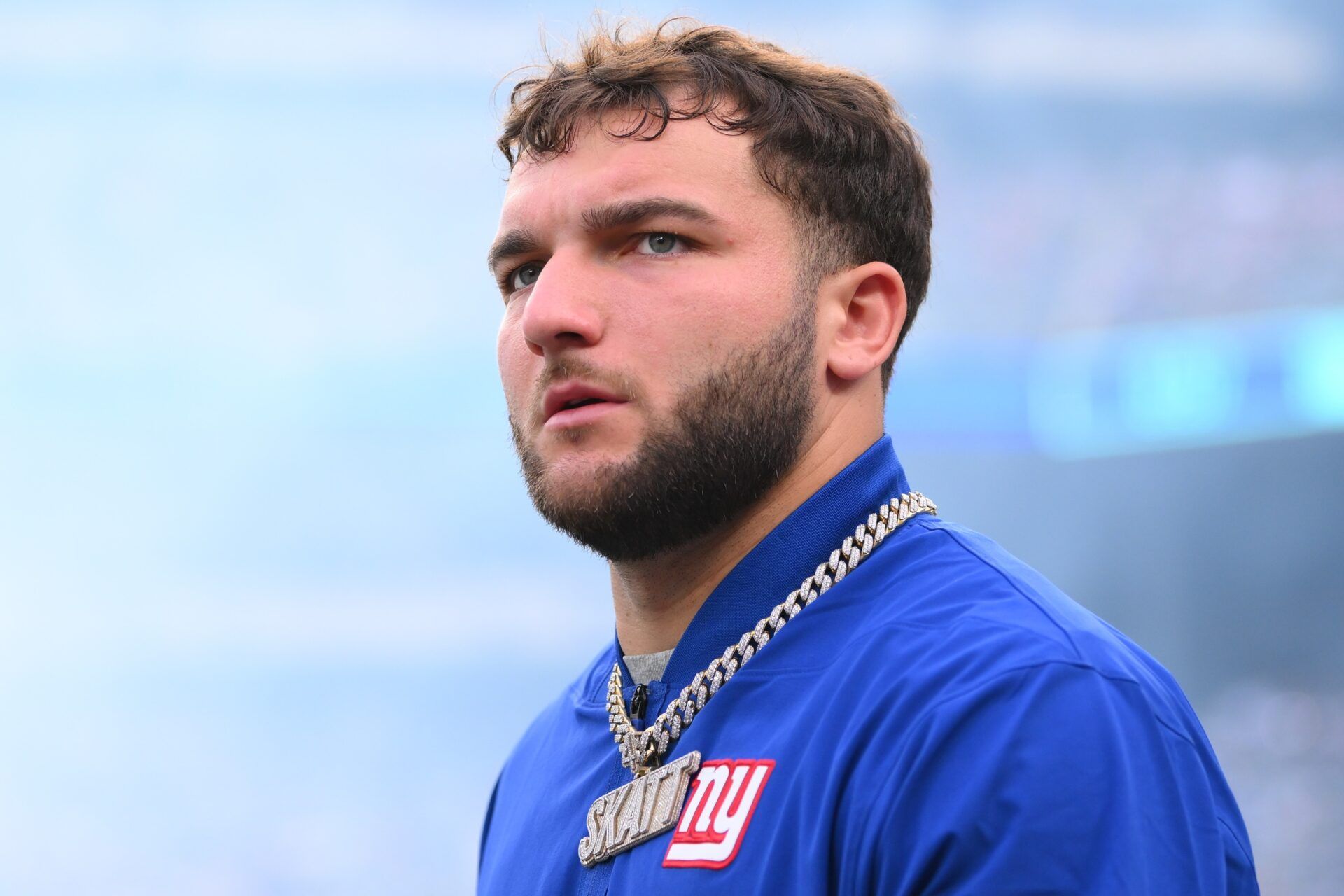
New York Giants RB Cam Skattebo has issued an apology over a recent joke about CTE and asthma.
📸 Vincent Carchietta, Vincent Carchietta-Imagn Images https://t.co/P3bhe7k1Jy pic.twitter.com/PyHh6MFtTJ
— TheGiantsWire (@TheGiantsWire) March 22, 2026
The language hits familiar PR beats, stressing intention, learning, and respect. It also arrives at a delicate moment for a young player entering one of football’s most scrutinized markets. Skattebo has been presented as a high-energy new face for the Giants, photographed at events like the Madden Bowl alongside girlfriend Chloe Rodriguez, the kind of polished couple image that attracts sponsors and fan goodwill. Words that appear to minimize brain trauma threaten that carefully formed brand.

So far, the apology is the clearest public attempt to steady the narrative. It positions Skattebo as someone who made an immature joke rather than someone who rejects science outright. Whether fans, future teammates, and potential partners accept that framing will shape how quickly this episode fades into his rookie-year background or lingers as a shorthand for insensitivity.
CTE Reality Beyond the Field
The backlash also reflects how far the conversation about brain injuries has moved. CTE, a degenerative brain disease linked to repeated head impacts, is no longer an abstract acronym. According to research published in JAMA, CTE was found in 110 of 111 former NFL players whose brains were donated for study. The New York Times highlighted those findings in its reporting, underscoring how deeply the disease has touched football families.
Symptoms can include memory loss, confusion, impulse control problems, and severe mood changes. For many retired players and their loved ones, those are not statistics but daily realities. That is the backdrop against which any public figure talks about CTE, especially an active player whose own future health is still being written with every carry.
Skattebo’s comments and subsequent apology now live at the intersection of locker-room bravado, medical research, and modern sports branding. The science will continue to evolve, and so will the league’s rules and protocols. His challenge is simpler and more personal. Every interview, every post, every sideline shot beside Rodriguez becomes part of the story of who he is in the public eye, long after the echo of one podcast taping has faded.
How do you think a young player like Cam Skattebo should balance authenticity with the responsibility that comes with speaking publicly about life-altering health issues?