

TLDR
Gypsy Rose Blanchard joined a lighthearted TikTok confession trend and casually referenced serving time for her mother’s killing, igniting a new wave of backlash over humor, trauma, and her fast-rising influencer persona.
The image of Gypsy Rose Blanchard sitting in front of a phone camera, speaking to millions as an influencer, still carries the weight of a true crime saga that never really ended. Her latest TikTok has reminded viewers that the story is not just content. It is a murder case with real people still living in its shadow.
From Prison Confession to TikTok Trend
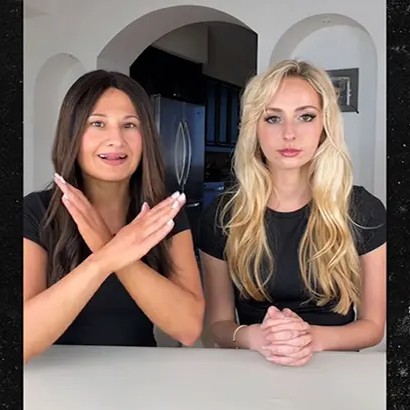
According to TMZ, Gypsy appeared in a TikTok with influencer Natalie Reynolds, using the viral confession trend built around the audio, “We listen, and we don’t judge.” In the clip, Gypsy calmly explains that she spent about eight and a half years in prison for second-degree murder in connection with her mother Dee Dee Blanchard’s killing.
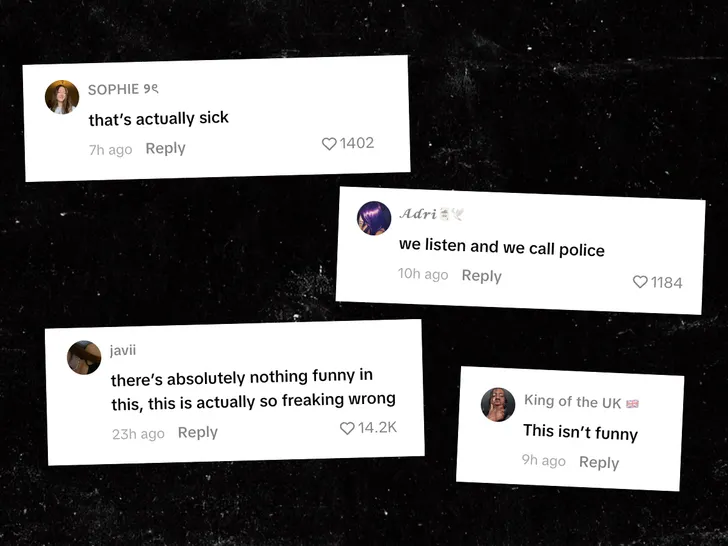
When Reynolds reacts with staged surprise, Gypsy answers without blinking: “Hey, we listen, and we don’t judge.” The line is meant as an inside joke between creator and audience. Instead, many viewers saw a young woman turning a homicide into a punchline. The comments filled quickly with people asking whether this kind of casual tone fits the reality of what happened.
The video did not stop there. In a later confession, as TMZ notes, Gypsy adds another revelation that has nothing to do with crime. She says, “I used to wipe my bottom with bath towels instead of toilet paper.” The shift from murder to bathroom humor, delivered in the same breezy format, heightened the feeling among some viewers that the line between entertainment and tragedy was blurring.
Others rushed to defend her, arguing that she is navigating social media the way many twenty-somethings do, experimenting with trends, jokes, and vulnerability in real time. The divide in reaction has become its own storyline, with Gypsy’s every post now treated as a referendum on remorse, survival, and what healing is supposed to look like.
Redemption, True Crime, and Public Memory
Gypsy pleaded guilty to second-degree murder for her role in the 2015 killing of Dee Dee Blanchard. According to People, Dee Dee spent years subjecting her daughter to unnecessary medical procedures and fabricated illnesses, behavior experts have connected to Munchausen syndrome by proxy. Gypsy served nearly eight years of a 10-year sentence before her release in December 2023, while Nicholas Godejohn, who carried out the stabbing, is serving a life sentence, as noted by TMZ.
The case became a touchstone of modern true crime, spawning the HBO documentary “Mommy Dead and Dearest” and the scripted Hulu series “The Act.” Those projects cemented Gypsy in the public imagination as both victim and architect, a young woman whose bid for freedom ended in an unthinkable act. That complexity has followed her into every interview, photo, and now, every TikTok trend.
Since leaving prison, Gypsy has leaned into online relatability, sharing glimpses of married life, beauty routines, and media appearances on survival and forgiveness. Her brand sits at a delicate intersection: part trauma survivor, part reality star, part internet personality. A playful confession about killing her mother tests where that brand begins to feel less like catharsis and more like commodification.
For some viewers, especially parents and those who have lost loved ones to violence, the jokes can feel like a reopening of wounds. Others see a woman in her early 30s trying to reclaim her story after growing up under the control of both a parent and the legal system. In that light, the TikTok looks less like flippancy and more like an awkward, public rehearsal for a life she is still learning to live.
What remains inescapable is that this saga did not end when the cameras stopped rolling on documentaries or when Gypsy walked out of prison. A woman is dead, a man is serving life, and a complicated daughter is becoming an influencer before the world’s eyes. Every video now asks viewers to decide who Gypsy Rose Blanchard will be remembered as: a redeemed survivor, an internet antihero, or someone who will always exist uneasily between the two.
Do you see Gypsy Rose Blanchard’s TikTok presence as a healthy way of reclaiming her story, or does turning this history into social media content feel uncomfortable to you?