

TLDR
Speaking from Rikers Island, Harvey Weinstein is downplaying Gwyneth Paltrow’s past harassment allegation as “nothing” and accusing her of betrayal, reopening a painful chapter that helped fuel Hollywood’s MeToo reckoning and reshape both of their legacies.
Harvey Weinstein has found a new target for his anger, and it is not a prosecutor. It is Gwyneth Paltrow, the once-favored ingenue whose account of a hotel-room encounter became part of the story that ended his career.
Paltrow’s Accusation and Pitt’s Warning
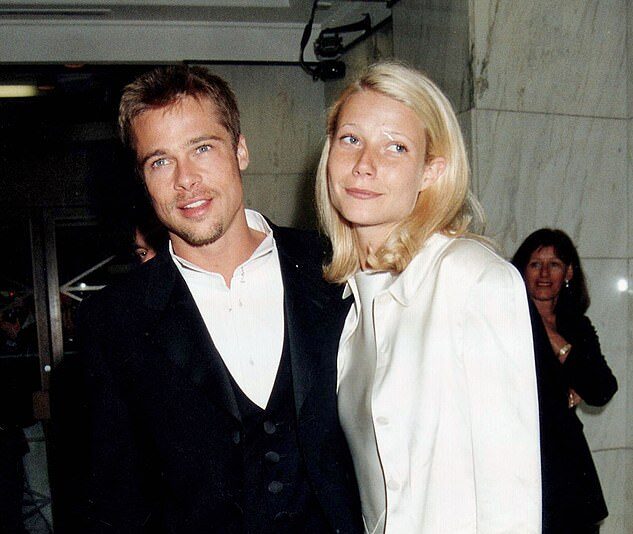
Paltrow has long said she was 22 when Weinstein, then the powerful producer behind Miramax, invited her to a meeting at the Peninsula Beverly Hills. According to Daily Mail US, she alleged he suggested a massage. She refused, left shaken, and told her boyfriend at the time, Brad Pitt.
Years later, Paltrow described on “The Howard Stern Show” how Pitt confronted Weinstein at the opening night of “Hamlet” on Broadway in the mid 1990s. She recalled Pitt pushing the producer against a wall and warning, “If you ever make her feel uncomfortable again, I’ll kill you.” She called Pitt “the best” for stepping in when she did not yet have real power in Hollywood.
Paltrow would go on to win the Academy Award for Best Actress for “Shakespeare In Love” in 1999, a Weinstein-produced film that cemented their public association and, for years, suggested a mutually beneficial partnership.
Weinstein’s Version From Rikers Island
According to Daily Mail US, in a new interview given from Rikers Island, Weinstein tells The Hollywood Reporter that Paltrow’s account wounded him more than most. He reportedly describes her as a “good friend” who “owes her career” to him and insists their Beverly Hills meeting was innocent.
“I don’t know what drove her to do what she did,” he says in the interview, claiming he simply ended a “nice meeting” by asking, “How about a massage?” He maintains that Paltrow declined, that he backed off, and that he “never put” his hands on her.
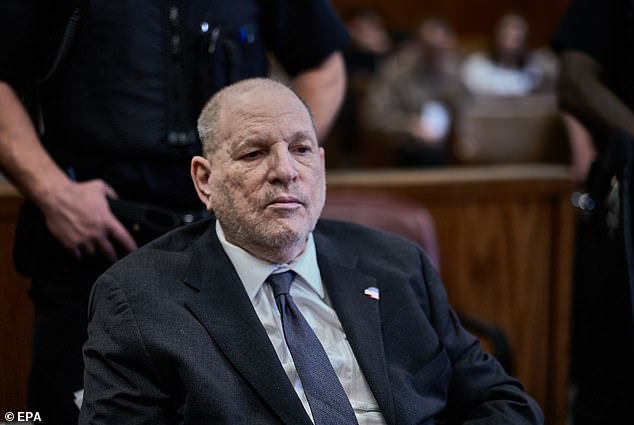
Weinstein also revisits Pitt’s intervention. He says Pitt told him, “Don’t do anything like that with my girl,” and that he reassured the actor, “Don’t worry, Brad. I got it.” What he cannot forgive, he says, is that Paltrow later discussed the incident publicly. He frames her Stern interview as an act of disloyalty, saying she “stabbed” him in the back to “be part of the crowd.”
Daily Mail US reports that representatives for Paltrow and Pitt were contacted for comment. Paltrow has previously stood by her description of the encounter.
Rewriting Power and Legacy in Hollywood
Paltrow’s story was one of many that surfaced in 2017, when decades of rumors around Weinstein hardened into on-the-record allegations. According to the New York Times, multiple women accused him of harassment over several decades, and his response helped ignite a broader cultural reckoning that came to be known as MeToo.
Dozens of women eventually came forward. Weinstein was convicted of sex crimes in New York and California, then later saw his New York conviction overturned on appeal. He remains imprisoned, now at Rikers Island, facing a new trial even as his previous convictions and accusers have already defined him in the public imagination.
From his cell, Weinstein appears eager to recast himself not just as a disgraced mogul but as a betrayed benefactor. Paltrow, meanwhile, occupies a different space in the narrative, often cited as one of the high-profile women whose willingness to speak affected how others in the industry came forward.
The emotional stakes of his latest comments are less about a disputed hotel-room exchange and more about what they represent: a shift in who holds power to shape the story. Weinstein is still talking. Paltrow has largely let the earlier record stand. Their shared past now lives in a culture that is far less inclined to accept his version.
How do Weinstein’s new complaints about Gwyneth Paltrow affect the way you see their shared history and the early days of Hollywood’s MeToo reckoning?