

TLDR
Hollywood producer Hopwood DePree spent years and around 750,000 trying to rescue his ancestral Hopwood Hall, only to be locked out by the local council. Now the fate of his real-life “Downton Shabby” sits in the hands of High Court judges.
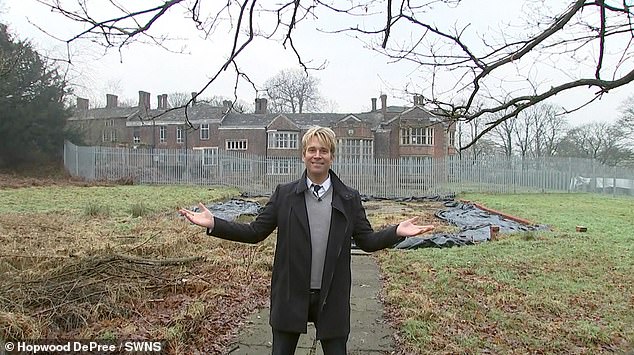
What began as a heritage fairy tale has turned into a stark legal showdown. In the early 2010s, Los Angeles-born filmmaker Hopwood DePree traced his lineage to a decaying manor house in Middleton, Greater Manchester, once known in family lore as “Hopwood Castle.”
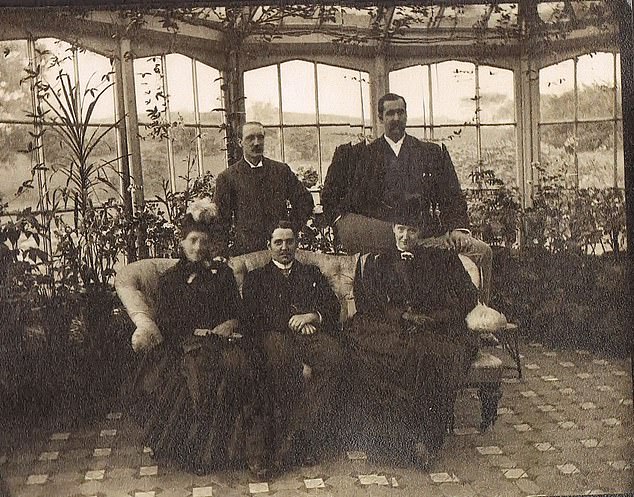
Hopwood Hall, a Grade II-listed 15th-century mansion, was no postcard fantasy when he found it. The building had broken windows, collapsing ceilings, and water streaking down the walls. Dating back to 1426, it had hosted figures like Guy Fawkes and Lord Byron, who is said to have finished “Childe Harold’s Pilgrimage” there. For DePree, it was also tied to his own ancestors, with family connections stretching back about 400 years.
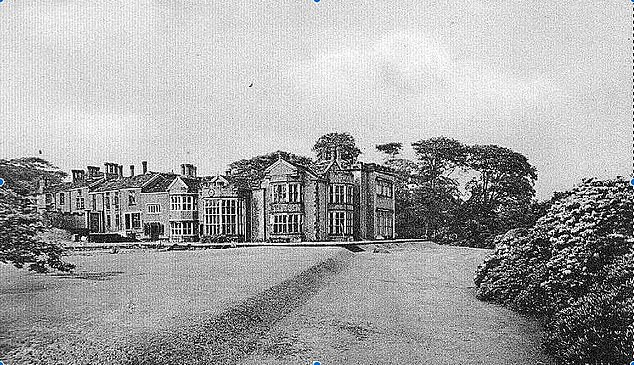
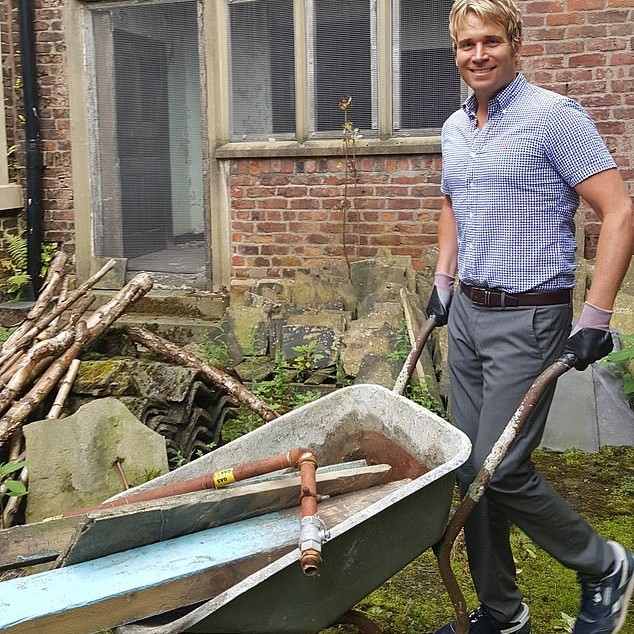
He stepped into the ruins and saw not only history, but a career pivot. DePree began restoring the hall and later published “Downton Shabby,” a book chronicling his attempt to transform the crumbling estate into a grand events and hospitality venue. Rochdale Borough Council granted him an exclusivity agreement so he could develop, and eventually buy, the property for a nominal sum, provided his plans proved commercially viable.
According to DePree, he invested around 750,000 of his own money to stabilize and revive the building. The council states it has also put in hundreds of thousands of pounds in public funds. Planning permission for a full redevelopment arrived in 2022, outlining a restored banquet room for weddings, 25 bedrooms for guests, and public tours beginning in a gift shop and welcome center.
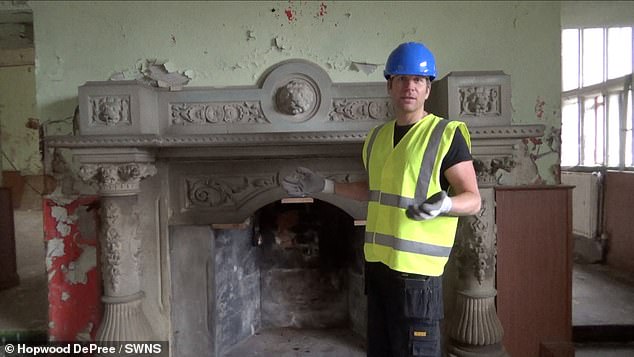
Behind the scenes, the partnership was fraying. Rochdale Borough Council says DePree failed to meet the terms of their agreement, including delivering a robust business plan and demonstrating that his 13 million redevelopment could realistically attract future public or private funding. In late 2024, the council chose not to renew the deal. Hopwood Hall was shut, and DePree and his team found themselves locked out.
DePree fiercely disputes that account. He insists he met the conditions and that planning permission was the crucial requirement. He says the council misrepresented his progress in the press. “They just went directly to the media and fed a story that we had not made enough progress, and I had not presented a business plan, which is 100 percent false,” he said.
With the relationship broken, the question of who truly controls Hopwood Hall has moved to the High Court. Judges are expected to decide whether DePree honored the terms of his exclusivity agreement and whether the council must still sell him the estate. DePree says he has submitted about 1,500 pages of evidence and wants everything aired. “I am looking forward to this coming out in public,” he said. “I feel I have to stand up and fight for what is right.”
For Rochdale Borough Council, the case is about protecting taxpayers. Officials say they have invested significantly in the property and have a duty to “explore alternative options” if they no longer believe DePree’s plan is viable. The authority has emphasized its responsibility to safeguard public money while deciding what happens next to the hall.
For DePree, the battle is wrapped in family memory. Currently based in Michigan, the Hollywood producer has called the restoration a tribute to the local community and to his late grandfather. “It would be an incredible day to see Hopwood Hall restored, not only for myself after everything we have gone through, but also for my grandfather, who has passed away,” he said.
Hopwood Hall now stands silent, its fate entangled with contracts, competing narratives, and a courtroom calendar. At stake is more than a business plan. It is a fight over legacy, public stewardship, and who will get to write the next chapter of this centuries-old house that Hollywood tried to rescue.
Do you see Hopwood Hall as a passion project cut short or a risk the council was right to walk away from? Share where you land on heritage, public money, and who should control a place like this.