

For a generation that grew up breathlessly rewinding the “…Baby One More Time” video, the headline felt surreal. Reports say Britney Spears has sold the very catalog that turned her from a Louisiana teen into a global pop institution, in a deal said to be worth around $200 million with music rights powerhouse Primary Wave.
TLDR
Britney Spears has reportedly sold her music catalog in a deal said to be worth $200 million as insiders describe heavy spending, stalled touring plans, and a woman determined to control both her freedom and financial future.
A Fortune Earned, Then Frozen
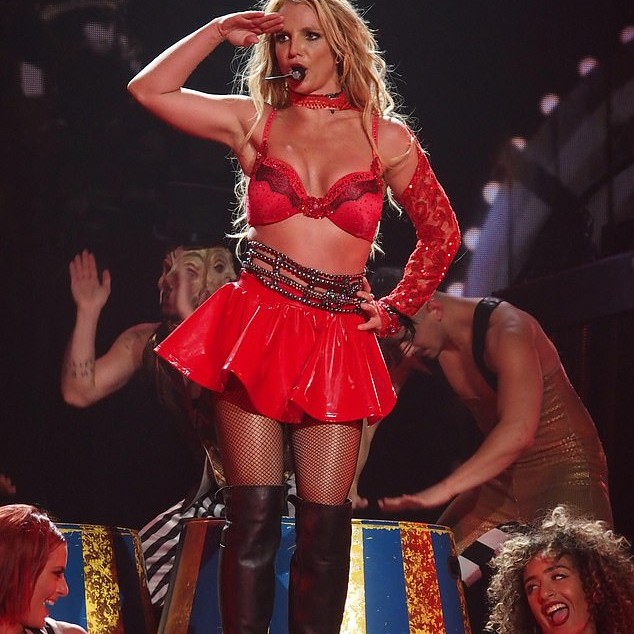
Spears built one of the most profitable discographies in modern pop. From “…Baby One More Time” and “Oops!… I Did It Again” through her 2010s comeback era, her hits spun off world tours, perfumes, endorsements, and a blockbuster Las Vegas residency, “Britney: Piece of Me.”
The Vegas era in particular rewrote her finances and her image. Night after night, she turned nostalgia into a business model, selling out shows while providing a controlled environment that reportedly netted tens of millions of dollars. For many fans, those years felt like proof that the girl who had been pushed and packaged for so long could finally stand on her own terms.
Then came the end of her conservatorship, the public court statements, and the sense that Britney was done letting other people steer her life. Instead of racing back to the studio or the stage, she turned inward. She danced in her living room on social media, traveled, and, in 2023, published the memoir “The Woman in Me,” which laid out her side of the past two decades in unflinching detail. According to People, that book was the long-awaited moment when she finally told her story in her own words.
So when DailyMail.com reported that Spears, now 44, had inked a sweeping deal to sell her catalog to Primary Wave, the emotional whiplash for fans was intense. The outlet also published new photos that appeared to show her driving in Los Angeles while holding a phone to her ear, which would violate California’s hands-free law if accurate. Around those images, unnamed insiders painted a portrait of a superstar who is not working, who spends freely, and who may be quietly suffering without the structure and income of a Vegas-size stage.

What Selling a Catalog Really Means
In the past few years, music catalogs have become one of the hottest assets in entertainment. Legacy artists with deep songbooks are striking nine-figure deals with companies like Primary Wave, Hipgnosis, and major labels. According to the New York Times, Bruce Springsteen sold his music catalog in a deal reported at $500 million, a benchmark that showed how high the market was willing to go.
These transactions are complex. As Billboard has explained, catalog buyers are essentially betting that familiar songs will keep earning money through streaming, advertising, films, television, and future formats. The investor pays a lump sum upfront in exchange for control over publishing rights, and in some cases master recordings, then works to maximize how and where the songs are used.
For an artist like Spears, a reported $200 million payday is not just a number. It is an immediate transfer of risk. Instead of counting on future royalties or hoping for a touring resurgence, she would lock in a huge check, then let the buyer worry about squeezing every last sync and stream out of “Toxic” and “Gimme More.”
Importantly, deals like this often do not stop an artist from performing the songs live. Contracts vary, but selling a catalog typically affects ownership and publishing income, not the right to take the stage and sing the hits. In theory, Spears could mount another Vegas run built around “Stronger” and “Circus” even if she no longer controls the underlying publishing.
Life After Vegas and Conservatorship
The more complicated question is whether she wants to. Since the end of her conservatorship, Spears has repeatedly suggested that returning to the grind of the music industry is not her priority. In social media posts covered by outlets including Variety, she has indicated that she may never perform again in the way fans remember.

Her memoir reinforced that message. In “The Woman in Me,” Spears describes years of having her work schedule dictated to her, from grueling tours to long residencies. The book frames those eras as both triumph and trauma. She acknowledges the financial security they brought, but she also writes about feeling controlled, monitored, and exhausted.
That tension sits at the heart of this catalog story. A Vegas residency or world tour would likely generate significant income and could restore a sense of artistic momentum. Yet the same grind could reopen wounds from the years when other people decided when Britney worked, rested, and spent.
The Spending, the Support System, the Stakes
The anonymous sources speaking to DailyMail.com focus heavily on money going out. One insider is quoted as saying that “Without her Vegas shows, she is really suffering.” The source claims those performances made her a fortune, and that their end left a painful gap in both routine and revenue.
Another source points to travel, shopping, and a sizable staff as part of a lifestyle that burns through cash quickly. From the outside, those comments land in a familiar, uncomfortable place for women in the public eye. Male rock legends are often framed as freewheeling, but a woman spending her own money can still be described as out of control.
There is a reality behind the gossip, though. According to years of court documents and reporting, Spears spent more than a decade as the primary financial support for her household, employees, and extended circle. She also paid substantial child support to ex-husband Kevin Federline while raising their sons, arrangements that only recently began to wind down as the boys reached adulthood. For any person, even a superstar, that kind of outflow changes how long a nest egg can last.
In that light, a catalog sale can look less like a fire sale and more like a hedge. A guaranteed nine-figure sum could fund the rest of her life, future health care, family support, and whatever low-key creative projects she may choose to pursue. One DailyMail.com source framed the deal as an opportunity for Spears to never have to work again unless she truly wants to.
What makes this so emotionally charged is that Britney Spears is not just a person managing a portfolio. She is a symbol for fans who fought for her freedom under the #FreeBritney banner. To those supporters, every move is read through the lens of hard-won autonomy. Selling her catalog could feel like handing over another piece of herself. It could also be the ultimate expression of control, a decision she makes on her own terms to secure her future.
What is clear is that the Britney who once seemed to live only for the stage now appears to be living for something else entirely. Whether that includes a surprise performance with her sons one day, another residency, or a permanent step back from the business, the catalog check may buy her the most precious commodity of all: the right to choose.
Join the Discussion
How do you see Britney Spears’ reported catalog sale fitting into her journey from teen pop phenomenon to a woman determined to protect her freedom, finances, and legacy?