

TLDR
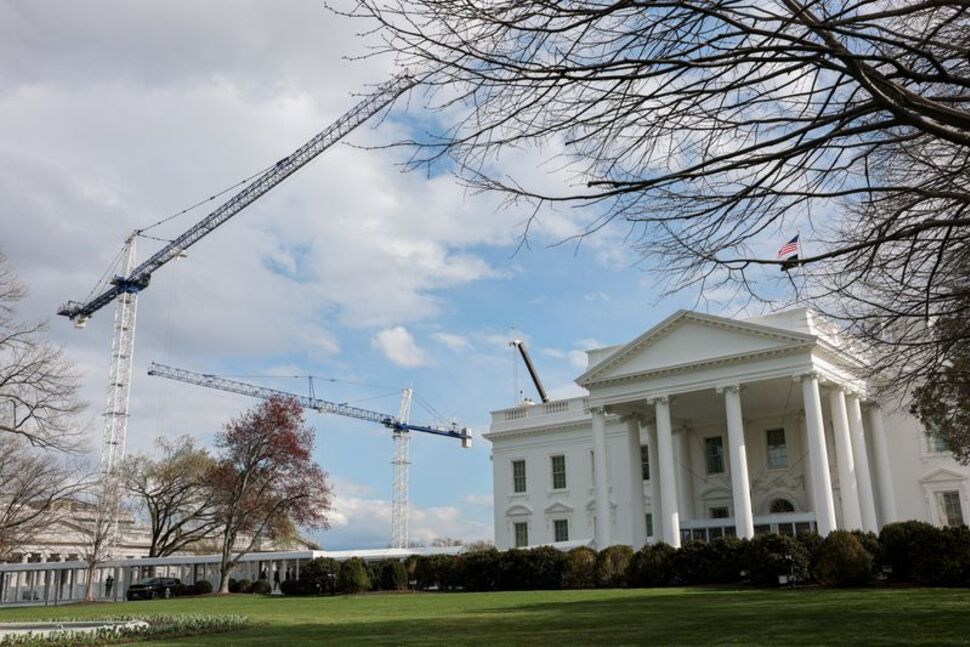
Donald Trump’s planned White House ballroom, already under construction and pitched as a privately funded gift to the nation, is facing fierce criticism from architects and preservationists who say the design could permanently distort the mansion’s historic silhouette.
The ballroom was meant to be Trump’s most visible stamp on the White House, a gleaming new wing for state dinners, donor galas, and future photo ops. Instead, an architectural analysis of the blueprints has turned his signature project into a very public design controversy, just as federal planners prepare for a final vote on the plans.
The new structure would rise on the ground that once held the East Wing and, according to the New York Times analysis cited by critics, the addition would overpower the West Wing in both bulk and scale. More than aesthetics are at stake. The new massing would cut across the historic sightline between the White House and the US Capitol, a visual axis meant to embody the separation of the executive and legislative branches in Pierre L’Enfant’s original vision for Washington.
To preservationists, that is not just a design quibble. It is a symbolic rewrite of how power is pictured in every postcard, news shot, and inauguration broadcast that frames the White House against the Capitol dome. The plan also calls for rerouting an existing sidewalk and tacking on a large portico, moves critics say further erode the careful symmetry that has defined the complex for generations.
Inside, the ballroom design has its own architectural puzzles. The front grand staircase, rendered as a showpiece arrival moment, reportedly does not lead into the ballroom at all. Guests would enter the main space through a side door, while a dense grid of columns would block natural light and views once guests are inside. For a president who built a career on gilded lobbies and dramatic reveals, detractors argue this reads less like timeless statecraft and more like a private resort awkwardly grafted onto America’s most scrutinized residence.
Carol Quillen, president and chief executive of the National Trust for Historic Preservation, which has sued to stop the project, told the New York Times that no White House expansion should be a one-man fantasy. “No project belonging to the public should be the vision of just one man,” she said, adding that “even if we are slow and we make mistakes, and we fight, that process has meaning to us.”
Inside Trump’s orbit, the ballroom is cast very differently. Will Scharf, the White House staff secretary and chair of the National Capital Planning Commission, framed the timeline as a triumph of Trump-style efficiency. “If not for President Trump, his desire to move quickly, and his raising the money to fund this, a project like this could languish for years with no decision or action,” Scharf argued, saying that without Trump’s push, officials “could still be debating it at NCPC meetings 20 years from now.”
Trump himself has blasted the National Trust in characteristically combative language, labeling it the “Radical Left National (No) Trust for Historic Preservation” and accusing “so-called preservationists” of caring more about their donors than the country. At the same time, he has proudly claimed that the ballroom’s projected $300 million to $400 million price tag will be covered entirely by private donations from business leaders, not taxpayers. It is a framing that positions him as both benefactor and builder of a new White House chapter.
The emotional stakes are larger than one room or one presidency. For preservation advocates, the fear is that a rushed, personality-driven project will leave a permanent architectural scar on a place Americans feel they partly own. For Trump and his supporters, the ballroom represents a legacy stage where future presidents, foreign dignitaries, and perhaps his own family could bask under chandeliers of his choosing.
Steel is already in the ground. Whether the commissions listening to dueling arguments side with the preservationists or with Trump’s vision will decide not just one project’s fate, but how the White House will look in the memories and photo albums of generations to come.
Do you see Trump’s ballroom as a bold new chapter for the White House or an unnecessary rewrite of a treasured landmark? Share where you land on this clash between personal vision, public heritage, and the image of the presidency itself.