

TLDR
Behind Augusta’s immaculate image, the Masters era of Tiger Woods, Phil Mickelson, and their rivals has been shadowed by DUIs, gambling, violence, and addiction.
Behind the Masters Myth
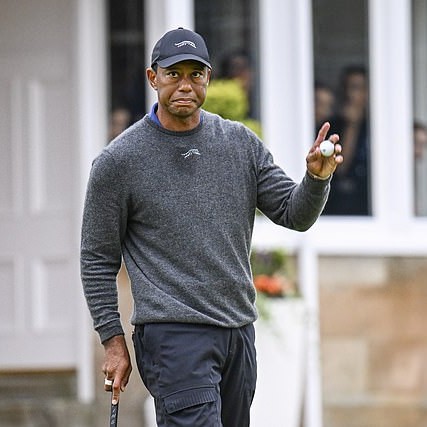
Augusta National sells a postcard of Southern grace, azaleas, and whispered commentary. Yet the modern Masters has unfolded alongside some of golf’s most turbulent personal storylines, many of which orbit the sport’s most bankable star, Tiger Woods.
The new book “Project Tiger: The Birth of Genius and the Price of Greatness” revisits how quickly the dream cracked. Not long after a DUI arrest, Woods returned to the place where he became a global phenomenon, while the world revisited the private chaos that nearly ended his reign.
Friends say the unraveling began after the death of his father, Earl Woods, whose own reputation for serial infidelity haunted the family. Tiger, who once bristled at his father’s cheating, then replicated the behavior on a scale that stunned even jaded sports fans.
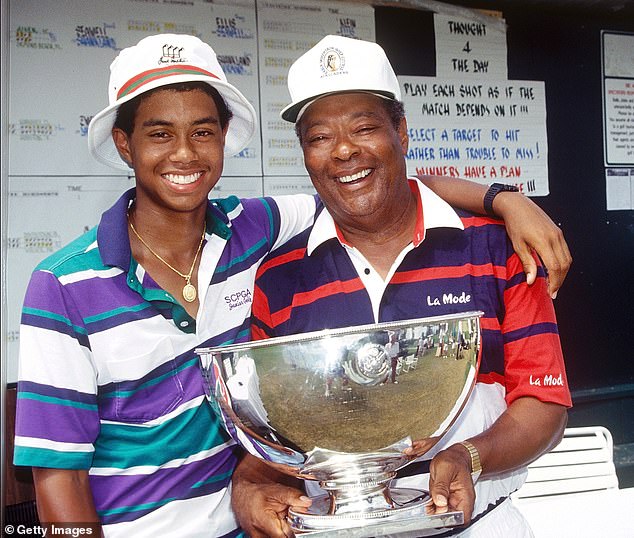
Reports in the New York Post linked him to as many as 120 extramarital encounters, from nightclub hostesses to adult-film performers and suburban mothers. Sponsors fled, his public image collapsed, and in 2010, he stepped to a podium and admitted what millions already suspected.
“I felt I deserved to enjoy all the temptations around me. I felt entitled,” Woods said, announcing that he would enter treatment for sex addiction. The confession did not erase the betrayal, yet over time it fueled a different chapter: the wounded legend fighting for a second act in the same tournament that once crowned him invincible.
Phil Mickelson carried a very different aura, the smiling family man with the booming left-handed swing. Behind that image, author Alan Shipnuck reported gambling losses of more than $40 million between 2010 and 2014 in “Phil: The Rip-Roaring Biography of Golf’s Most Colorful Superstar.” Bettor Billy Walters later claimed Mickelson wagered more than $1 billion over three decades, stacking six-figure bets with a frequency that suggested compulsion, not hobby.

Mickelson eventually sought help and addressed the damage in his own words. “My gambling got to a point of being reckless and embarrassing,” he admitted. “I had to address it.” For a player whose brand was built on risk-taking brilliance, the line between swashbuckling and self-destruction had grown perilously thin.
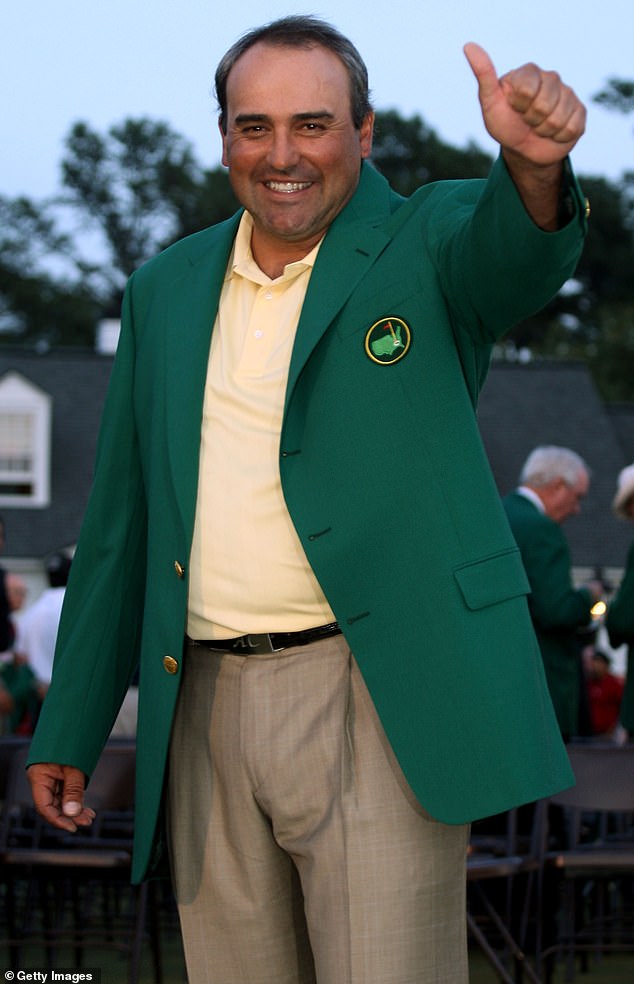
For Angel Cabrera, the fall was not about money, but violence. The 2009 Masters champion and first South American winner of the Green Jacket was later arrested, extradited, and convicted in Argentina on charges that included assault and harassment of a former partner. He served more than four years in prison, then walked back onto Augusta’s grounds in a tentative comeback, missing the cut but offering a measured promise. “Life has given me another opportunity,” he said. “I just have to keep doing what I know I can do right.”
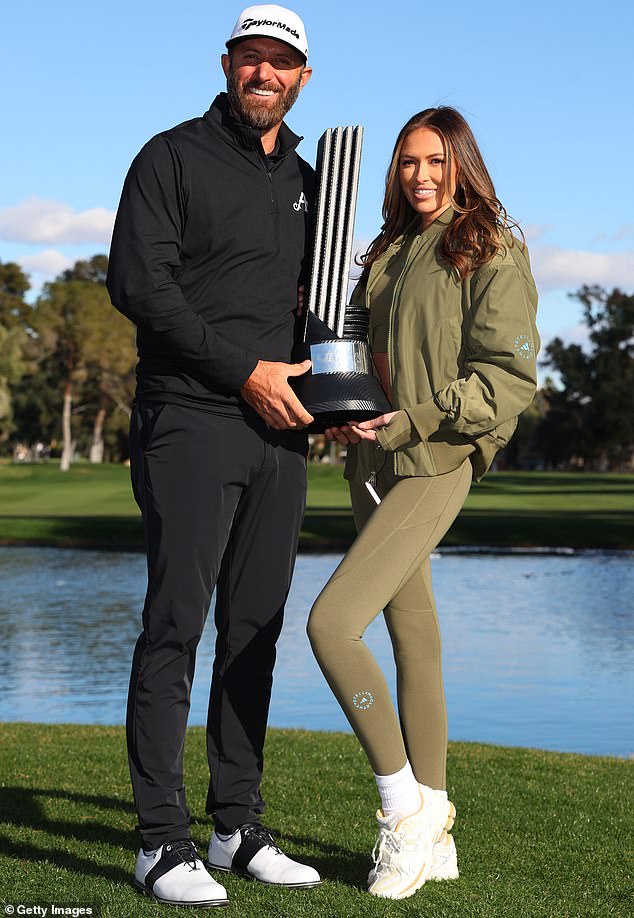
Others flirted with different edges. Dustin Johnson appeared to be living a catalog fantasy in Jupiter Island, in a $14 million waterfront home, with yachts, luxury watches, and a high-gloss relationship with Paulina Gretzky that unfolded in full view of social media. Then came a sudden break from the PGA Tour and unconfirmed reports that linked his absence to positive cocaine tests. Johnson publicly framed the hiatus as a decision to work on “personal challenges,” and golf was left to parse the silence between the rumors.
Nick Faldo, England’s greatest champion, struggled not with substances but with stability. His second marriage imploded in the 1990s when a relationship with a 20-year-old college golfer became tabloid fodder, complete with a golf club reportedly swung into his prized Porsche. Faldo later deadpanned that “it was a nine-iron or a wedge,” and ultimately rebuilt his life as a ranch-dwelling elder statesman of the game alongside his fourth wife.

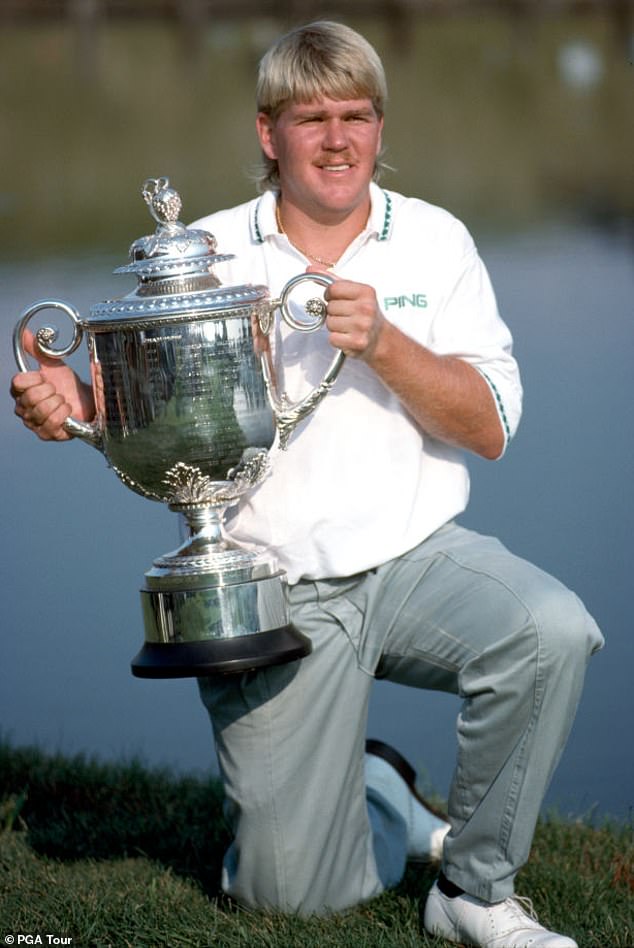
Then there is John Daly, the self-styled Wild Thing, who has not teed it up in the Masters since 2006, yet still parks his RV near a Hooters every tournament week and reportedly clears hundreds of thousands of dollars in merch sales. His legend is built on brutal honesty about alcohol, hospitalizations, a car crash at high speed, and what Sports Illustrated once described as a record-setting failed suicide attempt. Daly survived, then turned survival itself into an outlaw brand.
Reputation, Redemption, and Reality
The Masters has always promised transformation, from the moment a player slips on the Green Jacket. What this generation of champions shows is how fragile that transformation can be. Beneath the reverent silence of Augusta’s pines, careers have soared, marriages have imploded, fortunes have evaporated, and some of golf’s brightest stars have wrestled with demons that no leaderboard can fully hide.
How much should a champion’s private turmoil reshape their legacy at Augusta? Share your take on redemption, reputation, and the Green Jacket.