

TLDR
A fiery British tabloid column about the 2026 Oscars red carpet has reignited debate over weight-loss drugs, ageless branding, and how far Hollywood women feel they must go to stay camera-ready.
A Red Carpet of Vanishing Curves
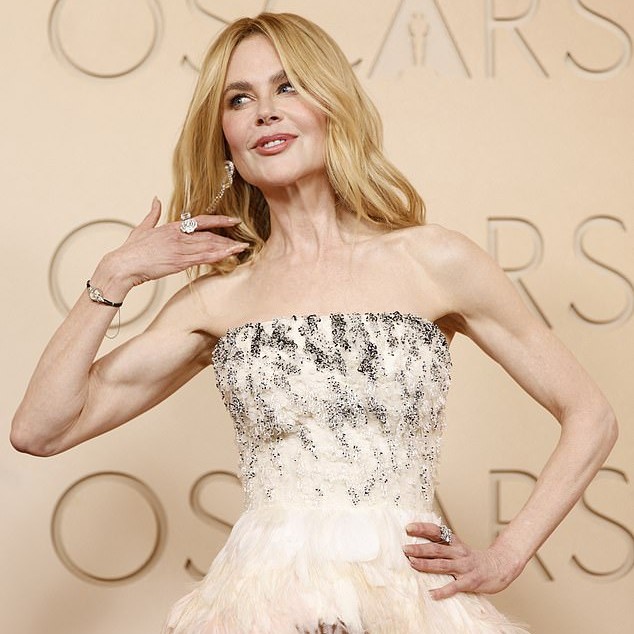
On social media, the images from the 2026 Oscars were less about trophies and more about torsos. Demi Moore, Emma Stone, Nicole Kidman, Melissa McCarthy, Lizzo, Kylie Jenner, Gwyneth Paltrow, and even Goldie Hawn became still frames in a new kind of body audit, their silhouettes dissected for clues about how, and how fast, they had changed.
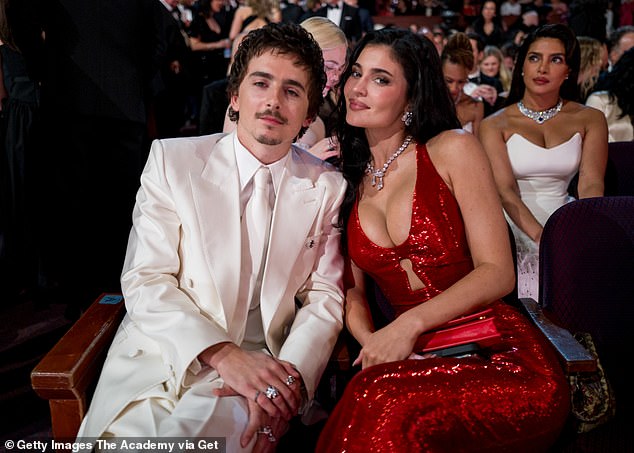
In a blistering Daily Mail column on the ceremony, writer Liz Jones described the night as a kind of live advert for diabetes and weight-loss medications, suggesting that the real winners were drugs like Ozempic and Jardiance rather than the films. According to the piece, even the untouched mini burgers on offer became a symbol of a culture where eating in public can feel like a reputational risk.
Peptides, Sponsors, and Quiet Power
The column tapped into a conversation that has been simmering in Hollywood for years. GLP-1 drugs such as Ozempic and Wegovy were developed for diabetes and chronic weight management. According to the FDA, semaglutide, the active ingredient in Wegovy, was approved for the treatment of obesity, opening the door to a booming new market in so-called medical slimming.
The Daily Mail piece also quoted longevity expert Dr. Sabine Donnai, who warned that many peptides being marketed for anti-aging are still short on long-term human data. “They are being overused and over-promised, and the product quality is a massive concern to medical professionals,” she said. Her words cut through the glamour, hinting at private consultations and NDAs that sit behind the shimmer of a sponsor logo on an awards-night step-and-repeat.
What It Means for Women
For women watching at home, especially those who grew up through the Twiggy era, the 1990s catwalk, and the size-zero red carpets of the 2000s, the new peptide age feels both familiar and different. The message is no longer just “be thin.” It looks perpetually 35. Stay in sample sizes. Glide into your 70s and 80s without a single soft edge that suggests a real life has been lived.
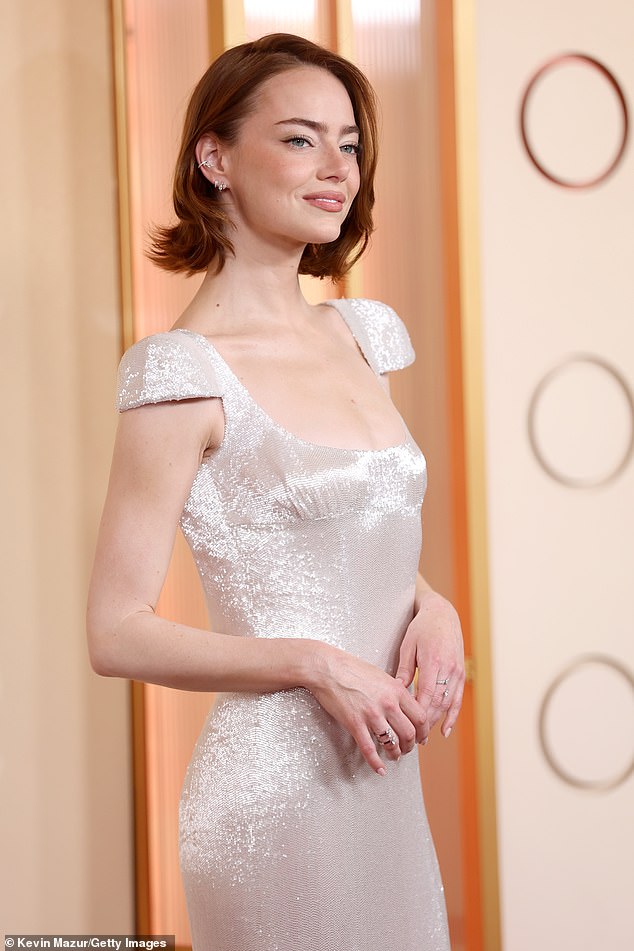
The column mourned the easy charm of Diane Keaton and Brigitte Bardot, women whose beauty never seemed like a full-time job. It also celebrated Priyanka Chopra and Wunmi Mosaku as examples of stars who project ease in their own skin. Caught between those poles are today’s actresses, who must decide how much medical intervention their brands, their contracts, and their own insecurities can bear.
That tension is the real story beneath the sequins. The fear is not only what these drugs might do to the body. It is what happens to an industry and to generations of women who watch it when the natural arc of aging starts to look like a public-relations failure rather than a life well lived.
When you look at recent red carpets, do you see empowerment, pressure, or a mix of both in how famous women are aging in public?