

TLDR
Jackson Hole’s transformation from quiet ski town to year-round billionaire playground has sent home values soaring, and many locals are no longer sure they can afford to stay.
A Boom Reshaping Jackson Hole
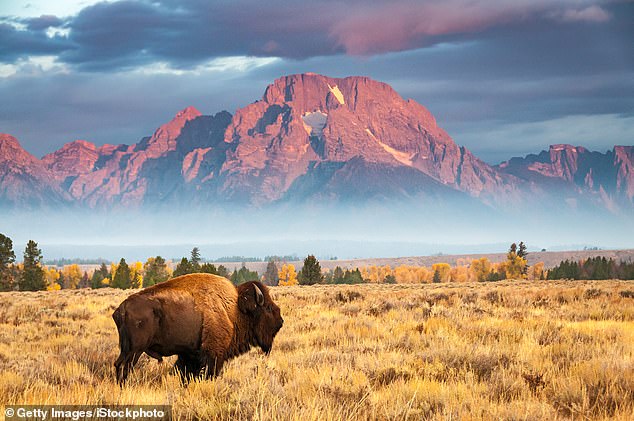
For visitors, Jackson Hole still looks like a Western daydream. Pines, powder, a handful of stoplights, and a mountain skyline that feels almost unreal. Yet beneath that postcard calm, the real estate market has turned into a luxury stampede that is rearranging lives.
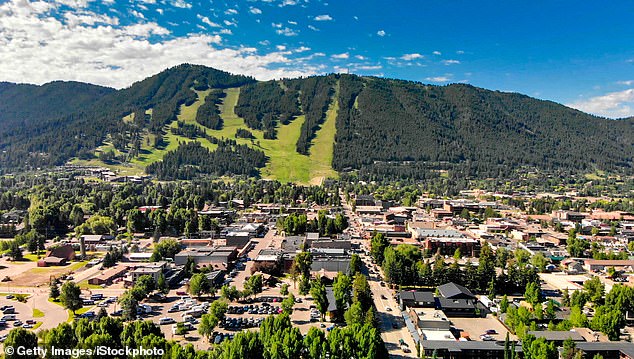
The town of roughly 10,700 residents has become a year-round base for the ultra-wealthy who want privacy, nature, and a safe place to quietly park their fortunes. Local realtor and Jackson native Greg Prugh describes days on the trails when you may not see another person, then mentions the other side of that solitude. As he told the Daily Mail, “Lifestyle is compensation here.”
For buyers arriving by private jet and slipping into black Escalades, the numbers are part of the attraction. Prugh’s firm is marketing Jackson properties from $1.4 million to $16.9 million. Across Teton County, where Jackson sits, the median listing price recently hovered around $3.21 million. About 70 percent of homes are now worth more than $1 million, even though the average income is roughly $124,000.
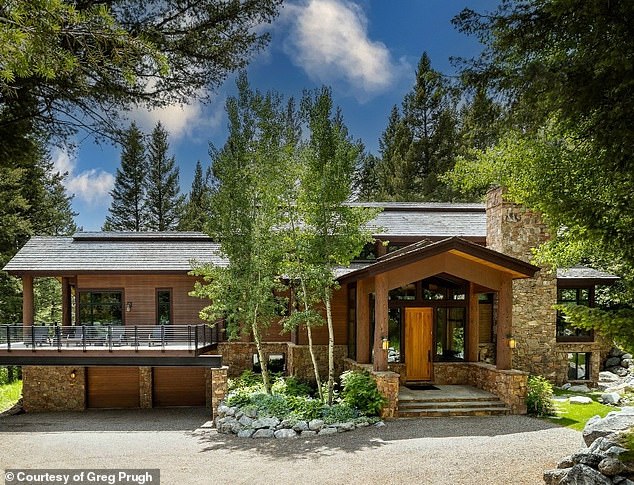
At the very top, the numbers tilt into another world. Realtor.com reported that sales of homes over $10 million hit a new high in 2025, jumping 131 percent, with the highest-end listings in the area reaching around $42 million. Many of these buyers are adding a fourth or fifth home to their portfolio. Wyoming’s lack of state income tax, a small airport that feels almost private, and sprawling properties on the outskirts of town complete the allure.
When a Town Becomes a Commodity
For longtime resident Jessica Sell Chambers, those statistics land in the mailbox. She and her husband bought their Jackson home in the mid-2010s for between $800,000 and $850,000 after her parents died. After the pandemic, Zillow estimated its value at $2.2 million. “That meant our property taxes went up commensurately,” she told the Daily Mail.
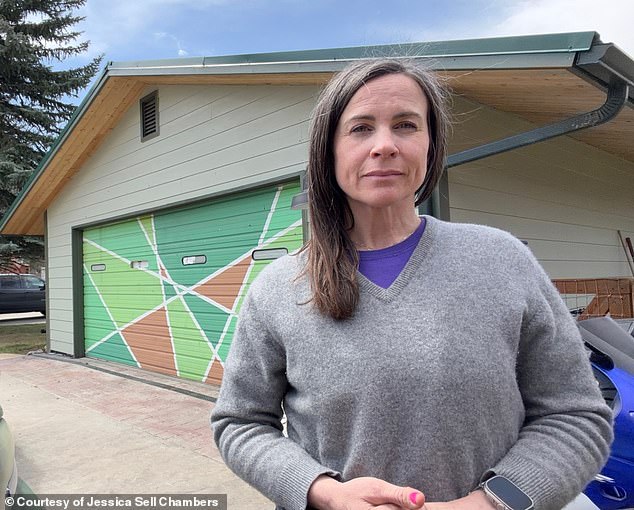
They are raising a teenage son in that house. Their friends are nearby. Their routines and memories are built into those walls. Yet Chambers admits, “Our future is kind of unknown. Right now, we’re stable, we’re secure.” When the family travels, she says they now catch themselves asking a quiet, practical question about each new place: “Can I live here?”
The answer is becoming clearer for many of their neighbors. Chambers has watched friends leave after being priced out, along with teachers and retail workers who keep the resort town running. She once believed aggressive building of affordable housing could offset the pressure. Now she says the pace of wealth has outstripped those efforts, calling it a train that has already left the station.
Companies have added employee housing, but land values are so high that some new condo projects, initially envisioned for workers, are being priced far beyond what most local paychecks can handle. Units sit empty while staff commute from farther and farther away.
Even Prugh, who earns a living matching affluent buyers with mountain estates, does not sugarcoat it. He told the Daily Mail, “It’s difficult to live here.” He describes a wave of new residents who do not need to work, arriving with liquidity events, family help, and the ability to absorb a few extra million dollars as the cost of a certain kind of life. Nearby towns like Driggs are booming as those who cannot keep up with Jackson prices look for a cheaper option.
The result is a town caught between its mythology and its market. Jackson Hole still sells silence on the hiking trails. For many locals, the silence is creeping into school hallways, church pews, and longtime gathering spots as families pull up roots.
For now, the Chambers family is holding on, paying the tax bills and hoping the ground does not shift again. The question hanging over their front door is the same one facing the entire valley. Will Jackson remain a living community, or settle into its new role as a high-altitude safety deposit box for the ultra-rich?
Have you watched a favorite vacation town transform as big money moved in, or faced a tax bill that made you question staying put? Share your story and where you think the line should be between a resort economy and a real hometown.