

TLDR
Rolling Stone drops backstage with Lestat de Lioncourt on tour, framing the immortal antihero as a glitter-dusted rock god fighting to control his own legend.
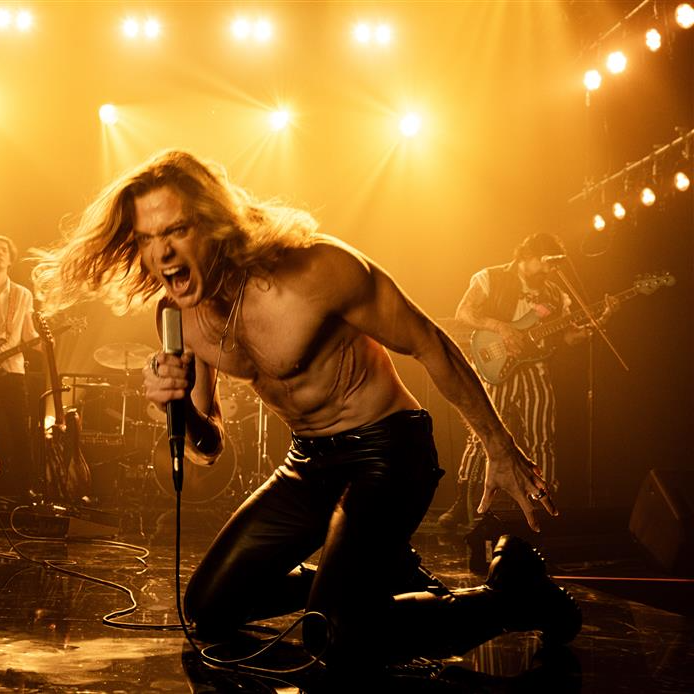
Lestat de Lioncourt has been many things in the public imagination. For Gen X and Boomer readers, he began as a dog-eared paperback obsession in Anne Rice’s “Vampire Chronicles”, then a big-screen fever dream, and now a prestige TV fixture in “Interview with the Vampire”. In Rolling Stone’s new profile, he becomes something else again, introduced as music’s most dangerous immortal fronting a band that bears his name.
The piece opens in a hot, dim backstage corridor as Lestat walks offstage, shirtless and still shimmering with glitter. Documentarian Daniel Molloy trails him, quietly recording. The energy between them is described less like journalist and subject, more like two men with unfinished business. For anyone who remembers Molloy’s original taped conversations in “Interview with the Vampire”, that tension carries decades of baggage.
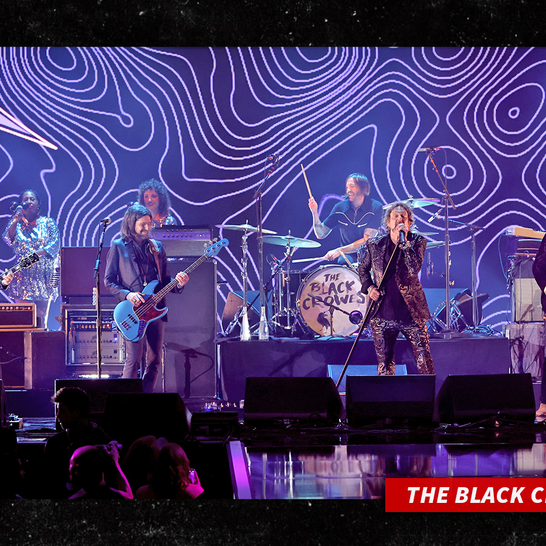
On the tour bus, Lestat curls up in a velvet-lined private suite while his band, The Vampire Lestat, lounges nearby. The group was once called Satan’s Night Out, a name that would have fit perfectly on a 1980s goth club flyer. Now they are an arena act inching toward Detroit, with fans pressed against fences outside the venue, hoping for a second of eye contact with a man who, technically, does not age.
What emerges in the profile is not a cuddly reinvention. Rolling Stone paints Lestat as prickly, funny, and intensely protective of his image. He bristles at past portrayals, taking aim at what he calls airport-paperback myths, right down to a supposedly hideous necktie he insists he would never have worn. The wardrobe grievance sounds trivial until you realize what it reveals. This is a figure who has outlived empires, yet he is still furious about bad styling notes in someone else’s version of his life.
When the conversation turns to music, his answers are both grandiose and unnervingly specific. He name-checks the late works of Bach, the early years of Thelonious Monk, and The Zombies’ “Odessey and Oracle”, then jumps forward to Peaches-era electroclash. In his view, almost everything outside that narrow corridor is disposable. It is the kind of sweeping dismissal that would sound ridiculous from a mortal pop star. From Lestat, it reads as part threat, part invitation.
He insists that a ticket to his show will split a fan’s life into two eras, before and after The Vampire Lestat. There are devotees who are convinced they are destined to be his forever. He calls that kind of fantasy delusional, yet the profile hints at how much he feeds on it. Fan art arrives. Obsession grows. The line between character, performer, and cult object blurs.
The emotional stakes land hardest for those who grew up with him. Lestat was the beautiful monster you hid in your locker, the reason you stayed up too late arguing about morality with college roommates. Now he is framed as a touring act, complete with glitter, set lists, and a carefully curated mythos. It is a clever bridge between eras, allowing long-time readers to revisit their youth while a new generation discovers him through “Interview with the Vampire” and glossy magazine coverage.
By the end of the Rolling Stone visit, Lestat offers a kind of apocalyptic summer forecast, advising people to call their mothers, then brace for the sound of approaching horsemen. It is melodrama as branding, but it works. The message is simple. You can never be fully prepared for The Vampire Lestat, and he intends to make sure his legend, like his life, never stops evolving.
Did you first meet Lestat on the page, in the movie theater, or through the new series, and does this rock-star reimagining deepen or dilute his legend for you?
References