


TLDR
At Tribeca, documentary “Stealing Magic” follows magician Andi Gladwin and allies as they chase online pirates who leak tricks and threaten the future of their craft.
On the surface, “Stealing Magic” plays like a sleek international thriller. Anonymous digital thieves plunder closely guarded illusions, a pair of magicians set out to unmask them, and a secretive subculture finds itself dragged into a very public cyber war. Yet the story inside the Tribeca Film Festival favorite is painfully real.
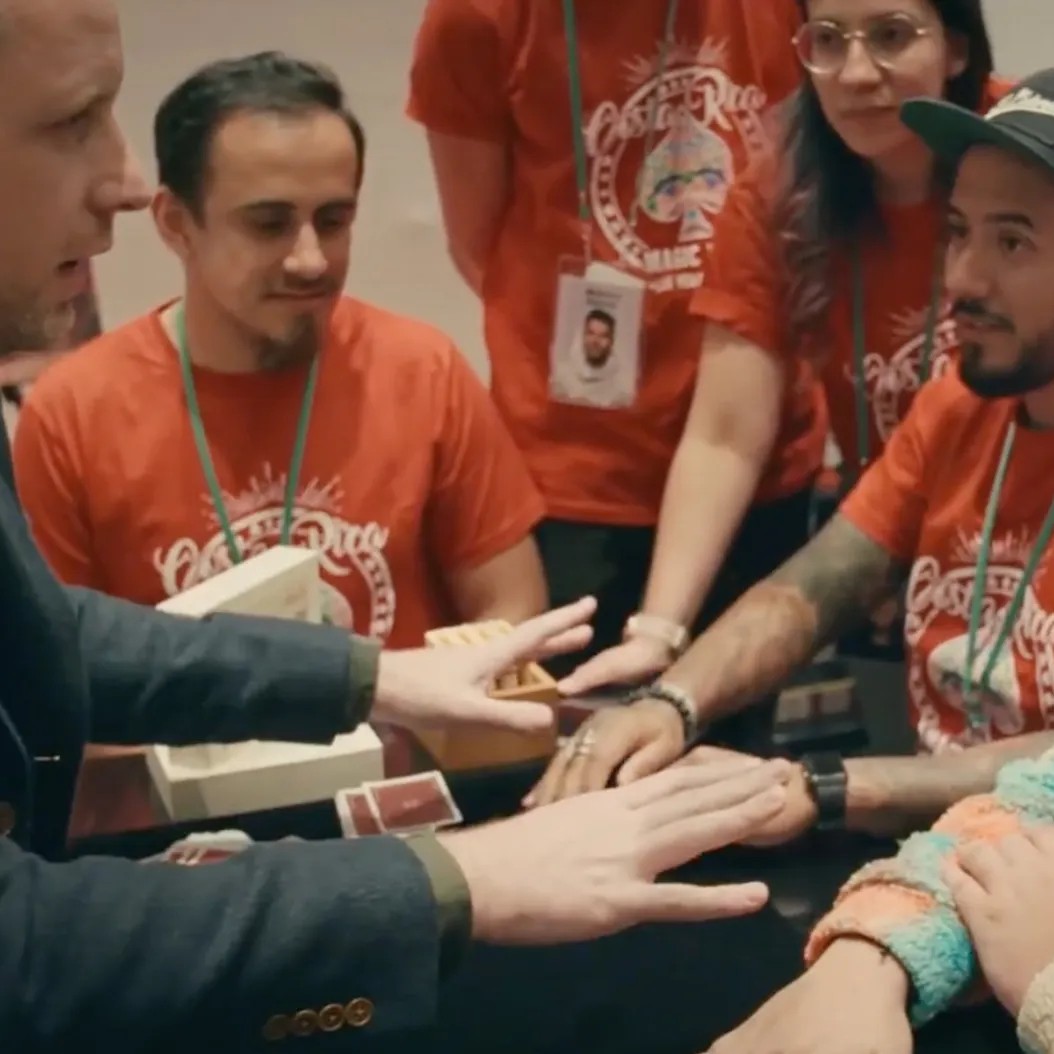
Directed by Matthew Testa, the documentary tracks British magician Andi Gladwin, a working illusionist who also runs a site that sells original tricks from fellow creators. When he spots the same hard-won routines turning up on a bootleg website for a fraction of the price, curiosity hardens into obsession. In an insular community built on secrecy, someone is cashing in on decades of work without ever touching a deck of cards.
The film lays out the harsh math that hides behind the glamour of a standing ovation. Gladwin explains that new effects are rarely gold mines. In an exclusive clip, he notes, “The average creator may only really make two or three thousand dollars per trick, and bear in mind those tricks typically take a good few years to create.” He adds, “There really isn’t that much money in it, and I think that’s why most creators do it for the love of it.”
Love, however, does not pay the rent for aging pros or the next generation of innovators. As Testa follows Gladwin, the camera captures magicians quietly admitting they may have to walk away from careers because they cannot compete with a pirate site that blasts their work across the globe overnight. A routine that once supported a Vegas run or a touring act can now be copied in a living room and sold online by strangers.
Gladwin teams with fellow magician George Luck to confront the people behind the bootleg operation. They start conventionally, with polite requests and legal warnings, hoping the site will come down without a fight. Instead, as Luck recalls in the film, the response “was extortion,” with operators demanding $25,000 a month in bitcoin. “This was scary,” Luck says, “because maybe that’s how much money they’re making from our products every single month.”
From there, “Stealing Magic” shifts into a cyberheist mood, as Gladwin travels and investigates, pushing into something close to a personal crusade. Testa frames his subject as both principled and precarious, a man whose near-pathological focus rides the line between noble defense of an art form and a mission that could put him in real danger.
The reputational stakes are clear. Magic has always survived on mystique, on the unspoken agreement that methods stay backstage while wonder stays out front. If secrets become disposable downloads, veterans lose leverage, younger performers stop investing years in perfecting a single moment, and the audience begins to see illusions as cheap content rather than craft. As Gladwin puts it, “The whole future of magic is definitely at stake because of piracy.”
Rolling Stone has already singled out “Stealing Magic” as one of the standout films at this year’s Tribeca. For longtime fans who grew up on television specials, Vegas residencies, and living-room card tricks, the documentary opens a curtain on the fragile economy that keeps that wonder alive. It asks a blunt question with every reveal and every stolen routine: when secrets are the currency, what happens when someone raids the vault?
Would you still enjoy a mind-blowing illusion if you knew the secret had been ripped from its creator without consent, or would the thrill end once the trick is treated like a stolen file?