

TLDR
Royal life has never looked more gilded, or more questioned. From the Sovereign Grant to private duchies, money is pulling the House of Windsor into a reckoning over privilege, transparency, and survival.
For generations, the British monarchy sold a glittering storybook, complete with balcony kisses, coronation robes, and Windsor weddings that stopped the world. Now a harsher subplot is taking center stage, as public patience with royal privilege collides with the reality of who pays for the magic.
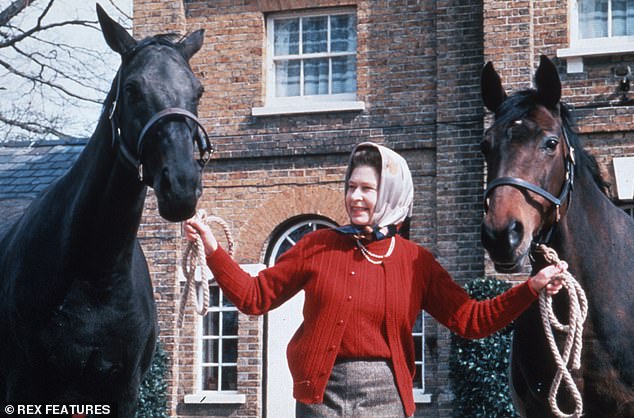
Beneath the tiaras sits a complex funding machine that even devoted royal-watchers struggle to explain. According to BBC News, the Sovereign Grant links royal funding to a share of profits from the Crown Estate, the monarch’s vast commercial property portfolio in name, not in personal ownership.
The Price of Palace Glamour
The Crown Estate profits help cover official duties, staff, and the upkeep of working palaces. Yet the details of how that money is carved up, and where public obligation ends and private comfort begins, remain hazy for many taxpayers already stretched at home.
That tension sharpened when new offshore wind farm deals on Crown Estate waters promised a major profit surge. Reuters reported that King Charles asked the government to steer that unexpected windfall toward public services rather than increasing royal funding, a rare move that suggested he knows the optics are delicate.
Still, the broader picture feels murky. Alongside the Sovereign Grant sit the Duchy of Lancaster and the Duchy of Cornwall, historic estates generating substantial private income for the monarch and the heir. Critics argue that in an age of instant disclosure, the idea of near-feudal property streams jars with the image of a modern, service-first Crown.
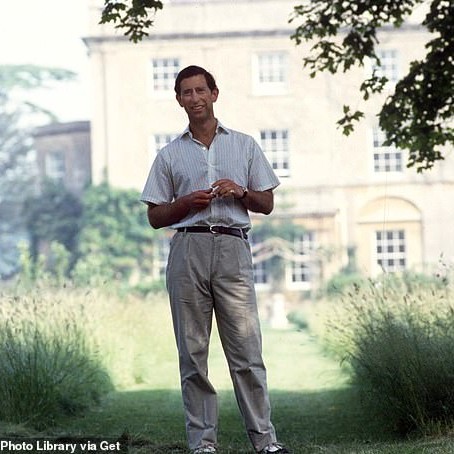
These duchy estates helped shape the private royal world familiar to many viewers: Christmas walks at Sandringham, summer weeks at Balmoral, Charles retreating to Highgrove. The settings look timeless on camera, yet the question lingers in the background of every sweeping drone shot. How much of this is an office, and how much is a family fortune?
Andrew, Epstein, and Public Patience
No modern royal has tested that patience more than Andrew. His friendship with Jeffrey Epstein, the disastrous television interview that followed, and his withdrawal from public duties left deep scars on the Windsor brand. He later settled a civil sexual assault case brought by Virginia Giuffre in the United States without admitting liability.
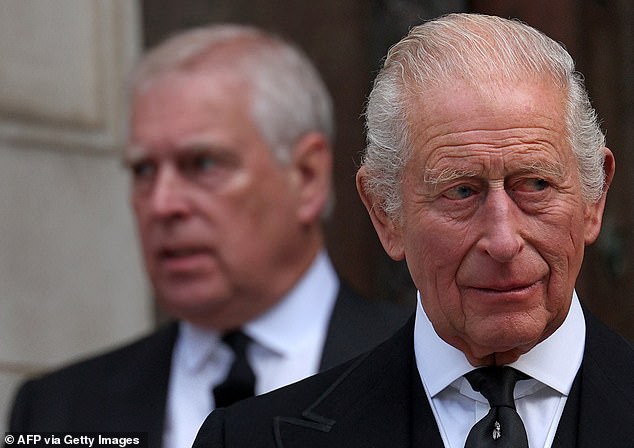
Andrew’s fall from grace matters here because it reframed money stories as character stories. Reports of lavish travel, lingering questions over his role as a trade envoy, and the sense of a prince living by a different rulebook all fed a wider unease. It became harder to separate one man’s misjudgments from a system that often treats scrutiny as an insult.
For Gen X and Baby Boomer women who grew up with Diana, Fergie, and the fairy-tale weddings, this shift is emotional. The monarchy was part soap opera, part national comfort blanket. In a cost-of-living crisis, however, that comfort feels thinner when headlines focus on hidden estates rather than hospital visits.
Can William Rewrite the Money Story
Into that tension walks Prince William, heir to the throne and beneficiary of the Duchy of Cornwall. His public image leans into duty, environmentalism, and causes like homelessness and mental health. The next phase of his story will almost certainly be written in the language of money as well as service.

Campaigners want clearer accounts, detailed breakdowns of how the Sovereign Grant is spent, and a sharper line between what belongs to the Crown and what is treated as private wealth. For a younger generation raised on celebrity transparency and charity telethons, the idea that royal finance is somehow beyond question can feel dated.
The survival of the House of Windsor may depend on embracing a model closer to what many expected all along. The palaces, regalia, and pageantry would be accepted as national treasures, symbols temporarily entrusted to one family. The private side would look smaller, plainer, and more carefully explained.
The monarchy has always thrived on intimacy at a distance, letting the public feel they know this family without ever seeing the full ledger. That distance is shrinking. Whether the Crown remains a shared ritual or becomes a relic may come down to something unexpectedly unromantic. How frank the Windsors are about the money.
Join the Discussion
Do you think the monarchy can protect its magic by opening its books and drawing a clearer line between public duty and private wealth, or has your patience with royal privilege already worn thin?