

TLDR
Wellington, Florida’s glittering equestrian capital, is facing scrutiny as insiders describe a pay-to-play world of “horse girls,” vast wealth, and rising backlash over who really belongs.
The photos from Wellington look like a fantasy. Palm trees, manicured arenas, girls in perfect beige breeches, and horses worth more than many homes. Yet behind the polished white fences, insiders describe a closed circle now under a spotlight it did not invite.
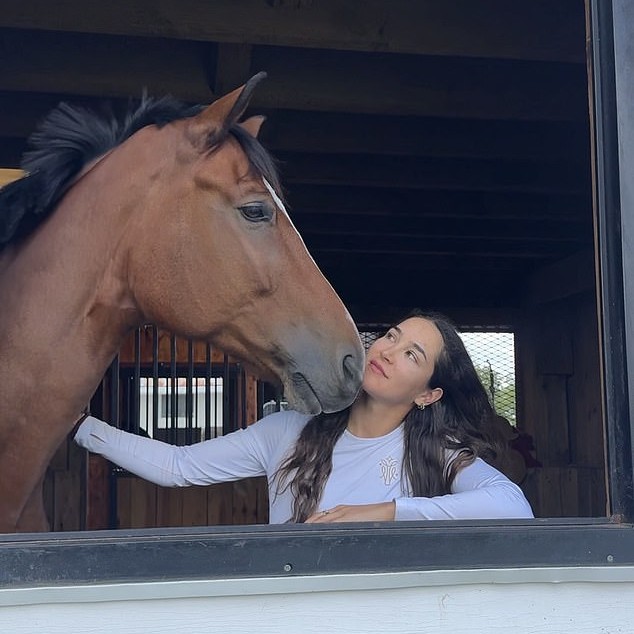
Professional show jumper Gabriela Reutter remembers the first time she stepped into that bubble. She grew up in Santiago, Chile, riding on beaches where a makeshift arena was marked off with old car tires. Her first horse cost $1,000. In Wellington, she discovered that the average show-grade horse could run $700,000, with Olympic-level mounts pushing $5 million.
“I was used to farms and ponies that were scrubby and dirty. It is pristine here, like, you could lick the floor in some of these farms,” she told the Daily Mail. “It was a reality check for me.”
That reality is built on serious money. Just 15 miles from West Palm Beach, Wellington has transformed former swamp into gated communities, private barns, and the sprawling Wellington International showgrounds. The Winter Equestrian Festival, a 13-week circuit, pulls thousands of riders from around the world and more than 100,000 spectators. Saturday evenings turn into “Saturday Night Lights,” with show jumping under stadium beams and champagne flowing in VIP lounges.
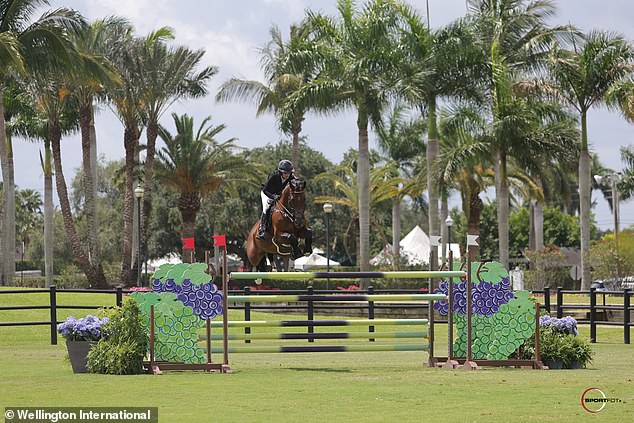
For the wealthiest families, a seasonal rental near the grounds can reach $20,000 a month. A-circuit horses are quoted at $700,000 to $5 million. VIP packages at the showgrounds can cost about $250 per person for a prime table. For the ultra-rich, private, full-service barns manage every detail, from training to grooming, for monthly fees that run into the thousands.
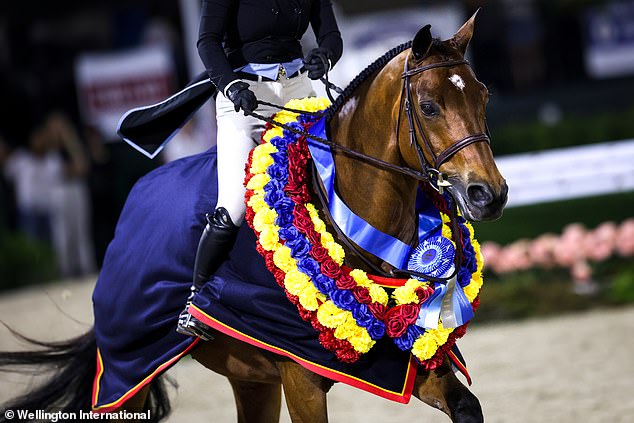
Insiders told the Daily Mail that Wellington is a “pay-to-play” world where money not only buys horses. It buys access. There is, they say, a difference between showing at the Winter Equestrian Festival and being invited into the real social circle that forms in those barns, boxes, and back tables.
“Wellington is hard to explain unless you have experienced it. It is not just a town or a horse show, it is this entire ecosystem,” one insider said. “There is a difference between being at Wellington and then feeling like you truly belong in Wellington.”
That ecosystem is now being examined. The Daily Mail reports that the community of young women dominating the scene, often labeled “horse girls,” is facing “vile” online claims and a wave of backlash. The town has even been dismissed by critics as a “spoiled brat capital,” shorthand for the perception that the sport has become a playground for billionaire heirs rather than a test of horsemanship.
The stakes go beyond snarky comments. Equestrian sport is a key part of the public image for some of the wealthiest families in America, including tech titans and entertainment dynasties. Horses are framed as character builders for daughters and brand builders for sponsors. When social media turns, those carefully curated barn photos, designer boots, and VIP railside shots become exhibits in a broader conversation about privilege.
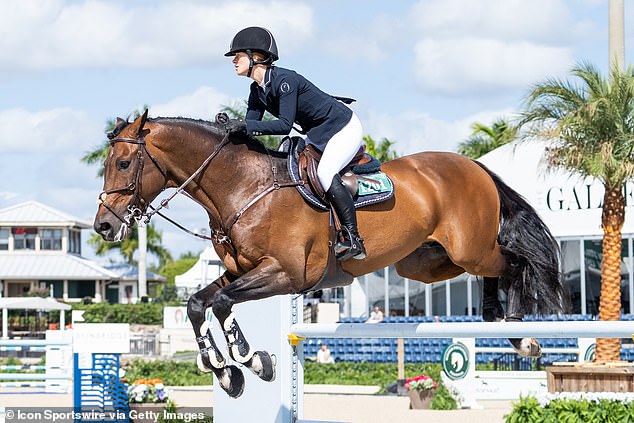
Yet many riders in Wellington are living a very different version of the dream. While typical American families might stretch to afford $30-$120 riding lessons, some young professionals live in modest housing and work long hours in the barn to earn saddle time. For them, Wellington is both an opportunity and a pressure cooker, a place where one perfect round might change a career, and one viral clip might change a reputation.
Reutter’s “reality check” sits at the heart of the Wellington story. It is a town where a girl from a tire-ringed arena in Chile can rise to become her country’s top female show jumper. It is also a town where the price of entry, financial and social, keeps climbing.
Whether Wellington remains the sport’s glittering showcase or becomes defined by the “spoiled brat capital” label will depend on what happens next. For now, the fences in this Florida enclave are high, for the horses clearing them and for anyone trying to break into the inner circle.
Do Wellington’s “horse girls” represent a rarefied corner of sport that has simply become too expensive, or is this just what happens when big money collides with big dreams? Share your take on privilege, access, and whether this kind of elite equestrian world can ever truly feel inclusive.