

TLDR
Jazz drummer and bandleader Chuck Redd canceled his long-running Christmas Eve show after Trump branded the Kennedy Center with his name. The Trump administration’s $1 million lawsuit is now dismissed under Washington, D.C.’s Anti-SLAPP law.
The Christmas Eve ritual at the Kennedy Center was supposed to be simple. Familiar faces in velvet seats, a skyline glowing beyond the river, and Chuck Redd’s “Christmas Eve Jazz Jam” swinging late into the night. For Washington jazz fans, it felt as dependable as holiday lights on the Mall.
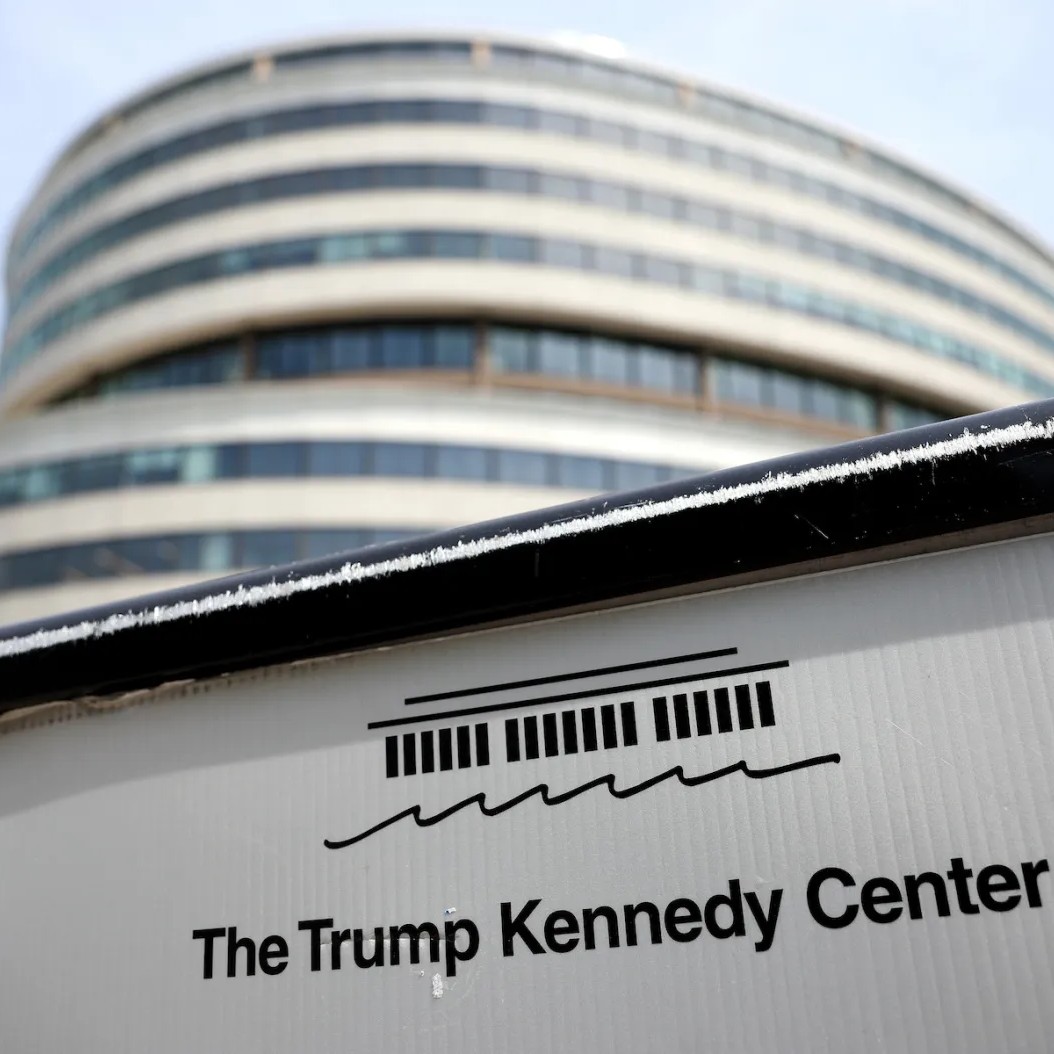
That rhythm broke when Donald Trump moved to add his own name to the storied arts center. In response, Redd, who had led the holiday concert since 2006, pulled the plug on the show altogether. It was a quiet but unmistakable act of refusal inside one of America’s most symbolic stages.
“When I saw the name change on the Kennedy Center website and then hours later on the building, I chose to cancel our concert,” Redd said at the time. One musician, one night, but a decision that instantly tangled his career with a presidential branding project.
The reaction from Trump’s orbit came fast. Then-Kennedy Center president Richard Grenell threatened to sue Redd for $1 million over the cancellation, accusing him of “classic intolerance” that was “very costly to a non-profit Arts institution.” A breach-of-contract lawsuit followed, turning a jazz tradition into a test case of political pressure and artistic independence.
For Redd, the stakes reached well beyond one December paycheck. Walking away from the Kennedy Center risked fraying relationships with a powerful institution, disappointing fans who had built holiday plans around the show, and signaling to other venues that he was willing to say no when politics crossed the stage.
His legal team answered with its own message. In March, Redd’s lawyers asked the court to dismiss the case under Washington, D.C.’s Anti-SLAPP statute, a law designed to protect people from meritless suits used to punish speech or protest. A judge has now agreed, citing protections against lawsuits rooted in “political retribution.”
The dismissal arrives alongside another legal setback for Trump’s Kennedy Center ambitions. A district judge has already reversed the move to rename the venue to include the former president’s name. The effort to etch Trump onto the building and the attempt to financially punish a musician who objected have both been checked in court.
The reputational reverberations are hard to miss. For the Trump brand, which has long leaned on marble, gold, and naming rights, the Kennedy Center chapter underscores how quickly a coveted marquee can become a legal and cultural liability. For the institution itself, the case raises quiet questions about who was really being protected when a beloved local musician was cast as the problem.
For artists watching from orchestra pits and green rooms, the ruling reads like a line in the sand. A single canceled concert, once treated as a $1 million offense, is now framed by the court as protected expression in a politically charged moment. Whether or not Redd ever returns to the Kennedy Center stage, his stand has already become part of that building’s offstage story.
Do you see Chuck Redd’s decision as a risky career move that paid off, or a basic stand every artist should be able to take without facing a lawsuit? How much should politics shape what happens on America’s most prestigious stages?