

In a new video message that feels both royal and disarmingly human, Kate Middleton lets a crack show in the famously composed Windsor facade. Speaking in a gentle voice over footage of hospital visits, the Princess of Wales admits there were “moments of fear and exhaustion” on her long road through cancer treatment and into remission.
For a woman whose public image has long been defined by poise, the admission lands with quiet force. It is not a palace statement, it is not a balcony wave. It is a mother of three, a future queen, talking about what it meant when her own body turned into uncertain ground.
A Princess Confronts Her Own Fragility
According to Page Six, Kate, 44, chose World Cancer Day to reflect on the months that changed everything. The princess, who revealed her cancer diagnosis after abdominal surgery in March 2024, is now cancer-free and in remission. Yet in her new message, she makes it clear that leaving treatment behind does not mean erasing the emotional imprint.
“On World Cancer Day, my thoughts are with everyone who is facing a cancer diagnosis, undergoing treatment, or finding their way through recovery,” she says in the video voiceover, recorded for social media.
She does not name her specific cancer in the clip. Instead, she lingers on the emotional landscape patients and families know too well. “As anyone who has experienced this journey will know, it is not linear,” she continues. “There are moments of fear and exhaustion. But also moments of strength, kindness, and profound connection.”
For a royal who grew up outside aristocratic circles, Kate has often been cast as the relatable center of a centuries-old institution. Here, that relatability is not about fashion or school runs. It is about uncertainty, fatigue, and the small mercies of being understood when a doctor walks in with test results.
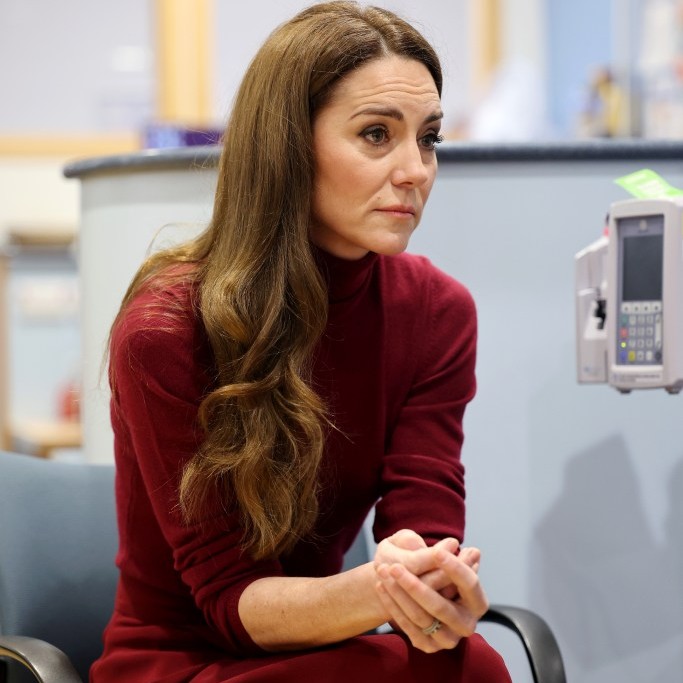
In the footage, Kate is seen seated with patients and medical staff, her body language open, her eyes intent. The setting is clinical, yet the mood is intimate. The princess is not cutting a ribbon. She is listening, leaning in, clasping hands.
World Cancer Day, With a Personal Echo
The video, shared on Instagram, doubles as both an awareness campaign and a personal testimony. “Cancer touches so many lives, not only patients, but the families and friends and caregivers who walk beside them,” she says.
There is no royal we in that sentence. There is the suggestion of a couple who suddenly found themselves on the other side of the hospital door, waiting, counting, recalibrating the future for their three children, Prince George, Princess Charlotte, and Prince Louis.
Kate makes a point of widening the spotlight beyond her own story. She highlights the “importance of care, understanding and hope,” and adds a simple plea for those in the thick of it: “Please know you are not alone.”
In an earlier Instagram message shared in January 2025, she set out a long-term commitment to the cause, writing that she hoped that “by supporting groundbreaking research and clinical excellence, as well as promoting patient and family wellbeing, we might save many more lives, and transform the experience of all those impacted by cancer.” Page Six notes that her latest World Cancer Day reflections echo that same promise, now underscored by lived experience.
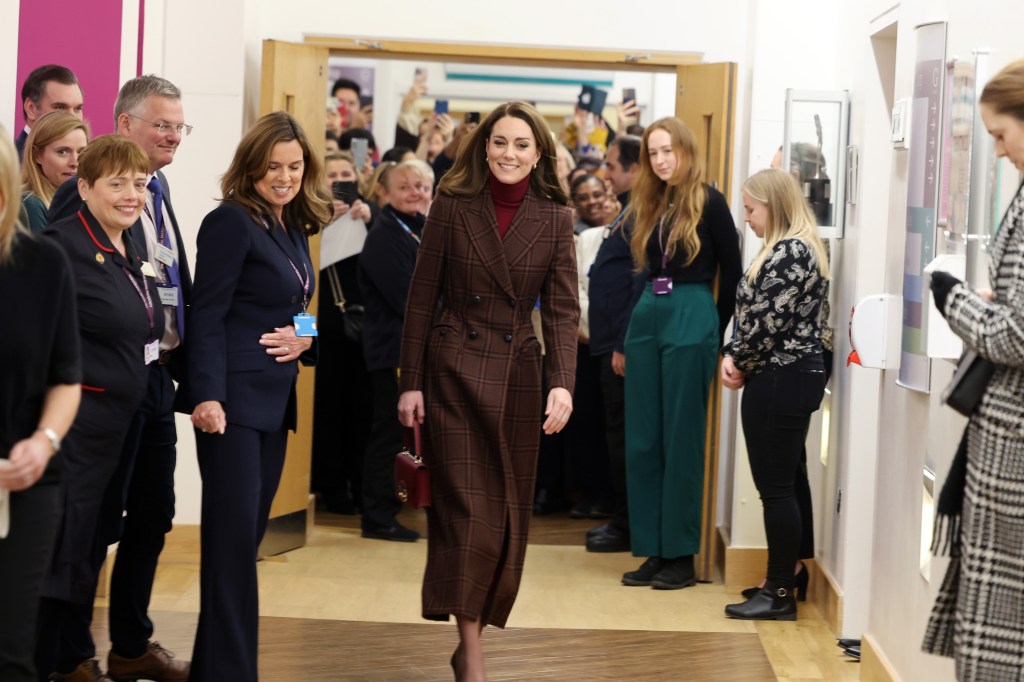
Visiting patients and staff, Kate smiles more easily than she did in those early, tentative outings after her diagnosis. There is still a softness in her posture, an awareness that she is not simply a royal guest. She is a survivor walking into rooms where the story is still unfolding for others.
William Remembers the ‘Not-Great Places’
While Kate’s voiceover focuses on community and connection, Prince William has been the one to hint at just how destabilizing the diagnosis felt behind palace walls.
According to Page Six, the Prince of Wales spoke about his wife’s illness during an appearance on Eugene Levy’s travel series “The Reluctant Traveler” in October. He admitted that he never imagined cancer would reach his own immediate family. The future king, so often tasked with reassuring a nation, recalled being the one blindsided.
At the time, William, 43, confessed that when cancer strikes close to home, “it takes you into some pretty not-great places.” It is a rare description from a senior royal who typically communicates in measured, almost ceremonial language.
He did offer a note of cautious reassurance, saying that “everything is progressing in the right way.” It aligned with Kate’s later announcement that she was in remission, and with her gradual return to public life.
The couple’s united front throughout the ordeal has subtly reshaped their public image. Once framed primarily as the dependable heirs, they are now, in the eyes of many, a family that has known fear at 3 a.m., sat through waiting-room silences, and had to find words for their children when there were no guarantees.
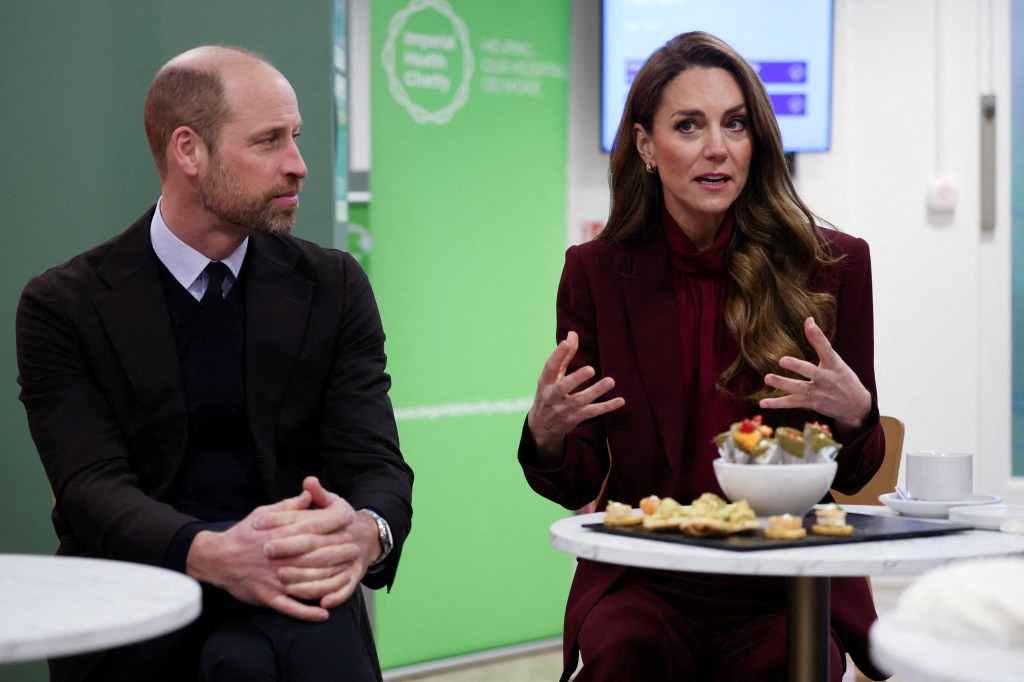
Seen together at hospitals and engagement venues, William often watches Kate as she speaks with patients and clinicians. There is a protectiveness there, but also a recognition. He knows she has walked that hallway emotionally, even when she was out of sight.
Back in the Spotlight, on Her Own Terms
By mid 2025, Kate began stepping back into the public eye. Page Six reports that she made a series of carefully chosen appearances, including the Royal Garden Party, Trooping the Colour, and a sunlit day in the Royal Box at Wimbledon.
These were not just calendar fixtures. They were visual markers of recovery that royal watchers, and cancer patients watching from afar, parsed for meaning. Was she moving more easily than at the last event, smiling more fully, staying longer?
Alongside those appearances, Kate took on a formal role that dovetailed with her new reality, becoming Joint Patron of The Royal Marsden, a leading cancer center that has long been close to the royal family. The appointment reflected a deepening sense of purpose, not just a return to business as usual.
In her January 2025 Instagram message, she framed that commitment in practical, almost clinical terms, emphasizing research, clinical excellence, and patient wellbeing. Now, in her World Cancer Day reflections, the language is more emotional. She talks about fear, exhaustion, kindness, and connection. The policy focus and the personal story are starting to merge.
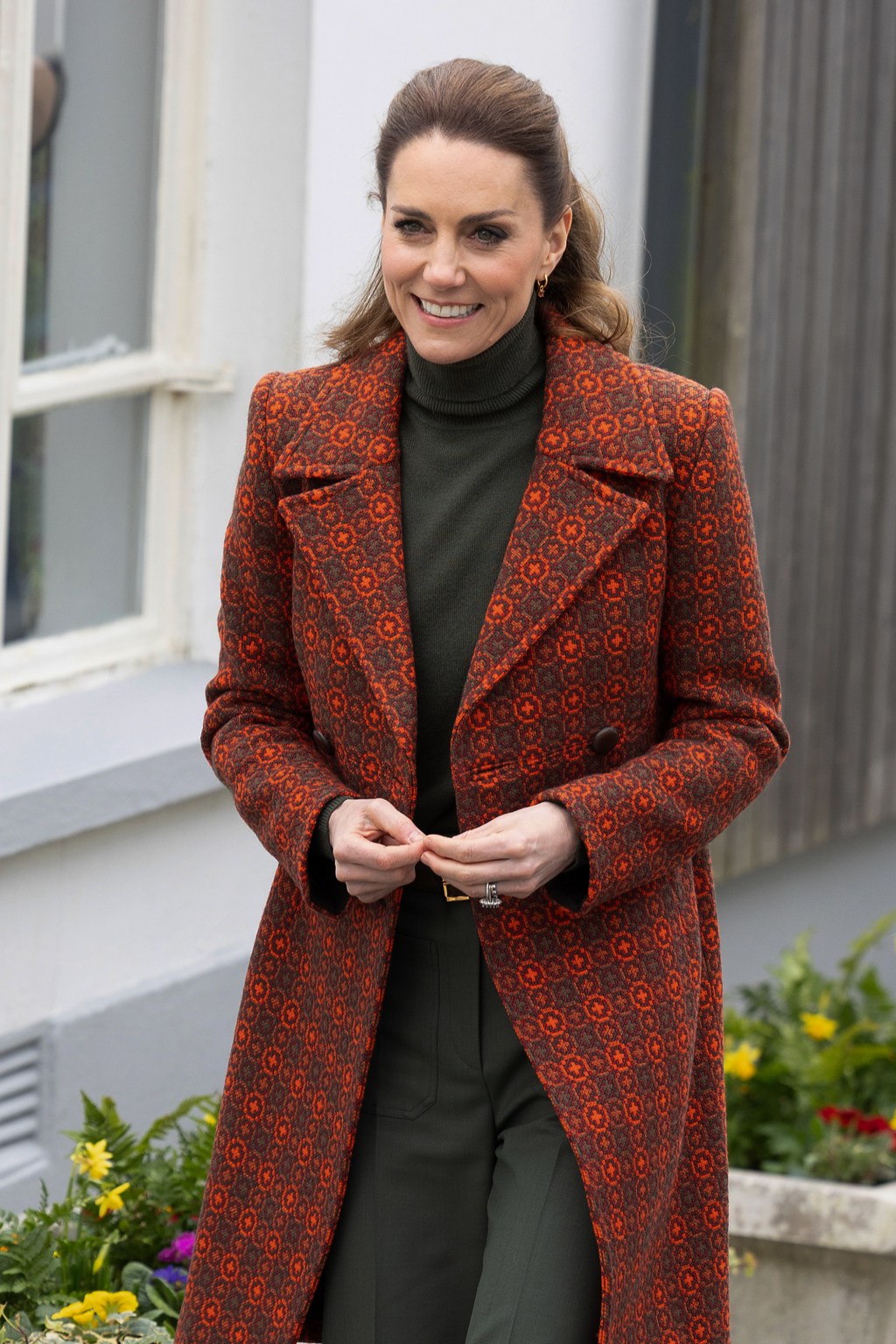
Today, when Kate steps out in a tailored coat and signature blowout, the picture carries more context than it once did. The glamour is still there, but it sits alongside the knowledge that there were days when getting dressed at all felt like a small victory.
The Crown, the Diagnosis, the Legacy
For the monarchy, Kate’s cancer journey arrives at a time when the institution is already negotiating change. A slimmer working royal roster, a king with his own health concerns, and a public more accustomed to unfiltered candor from celebrities and influencers all reshape expectations.
Kate’s choice to speak about her “moments of fear and exhaustion” in such plain language edges the royal brand closer to that modern reality. She does not describe herself as a victim, and she does not dramatize her suffering. Instead, she folds her story into a larger community of patients, families, and caregivers, and invites them to see themselves in a princess who has sat where they sit.
Whether she is listening to a patient at The Royal Marsden or recording a quiet message for social media, the through line is clear. Kate is recasting part of her future-queen identity around advocacy that is personal, not just ceremonial.
Her latest words leave one lasting image. Not of a tiara, or a balcony, but of a woman who has known fear, who has walked through it, and who now chooses to stand in hospital corridors and say, with calm conviction, that no one facing cancer is truly alone.