

TLDR
Kevin O’Leary’s $100 billion Stratos data center in rural Utah promises power and jobs, but faces fierce resistance over water, ancestral lands, and who really benefits.
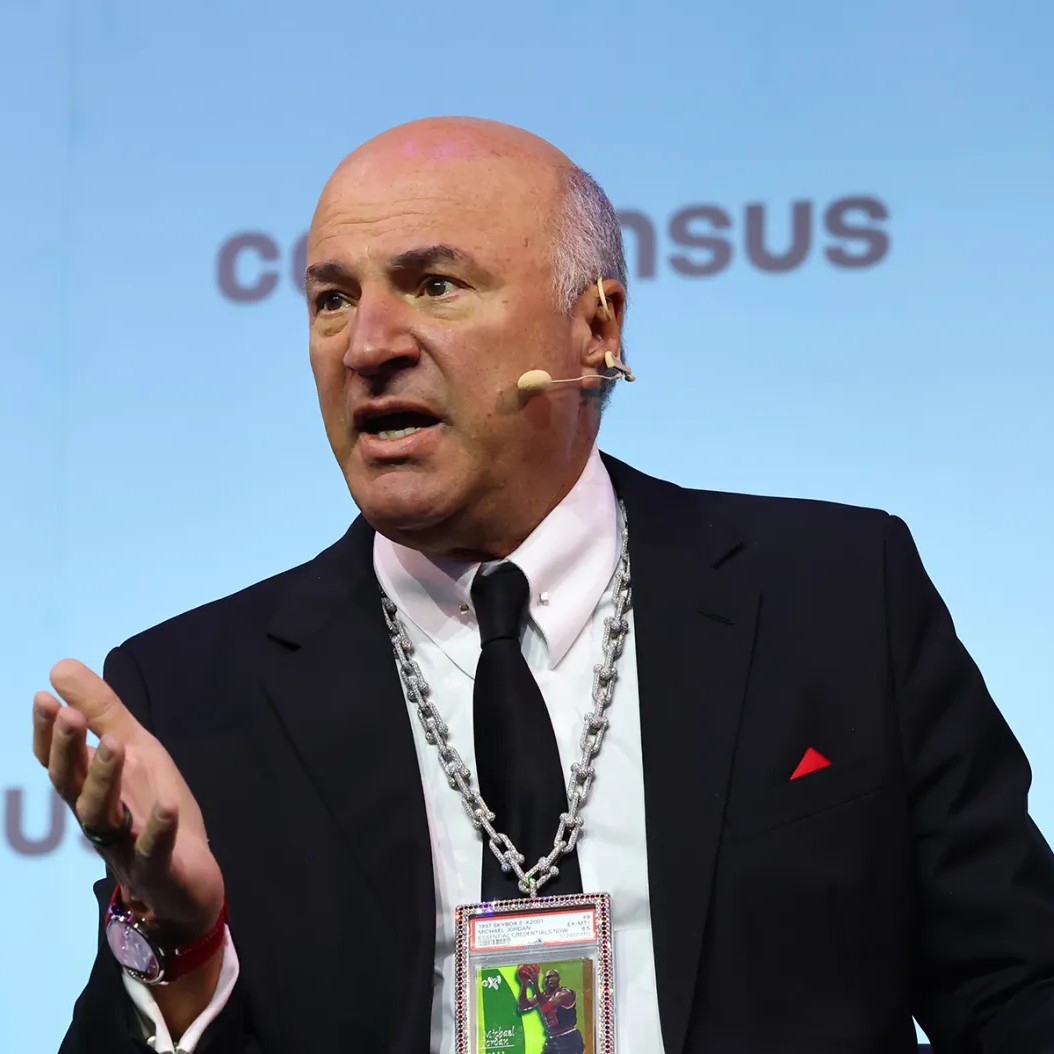
The deal was supposed to be another master stroke for Kevin O’Leary. A 40,000-acre “hyperscale” data center in northwest Utah, a projected 9-gigawatt power capacity, and a $100 billion buildout that could rival anything in Big Tech. Instead, the Stratos project has become a referendum on his Mr. Wonderful image, with locals, scientists, and Native leaders bristling at the cost of his ambition.
Earlier this month, Box Elder County commissioners fast-tracked Stratos after a raucous public meeting at the county fairgrounds. Hundreds showed up to object. The commissioners cut off comments, walked out, then finished the meeting in a closed session and livestreamed their unanimous 3-0 yes vote. O’Leary, who did not attend, later claimed online that protestors were “professional… paid, and bused in.”
On television’s “Shark Tank,” O’Leary leans on his tough-love persona and his business acumen. In Utah, he is leaning on something else: his environmental studies degree from the University of Waterloo. He tells Rolling Stone that water cooling will not be a problem and that “there’s plenty of turbine technology now that uses air cooling, very, very efficiently,” pointing to power built from “a combination of wind, battery, solar, and natural gas.”
But state officials say Stratos was designed to run entirely on the Ruby Pipeline, a natural gas line that cuts across northern Utah. A physics professor at Utah State University, Robert Davies, estimates the facility could actually consume closer to 16 gigawatts at full capacity, which he calls “the energy footprint of 40,000 Walmart supercenters.” His preliminary analysis, he says, “clearly indicates a full-scale analysis is warranted.”
The land itself carries another weight. Darren Parry, former chairman of the Shoshone Nation, visited the Hansel Valley site and says there are burial grounds about a quarter-mile from the proposed map, close enough to fall within the project’s ecological footprint. Parry, who now teaches Native American history, is asking for a slowdown. “There are too many unanswered questions,” he says, “especially if we’re going to have a footprint of something that’s bigger than two cities.”
Environmental advocate Caroline Gleich has emerged as one of O’Leary’s sharpest critics. “Utahns don’t want an out-of-state billionaire controlling our land,” she says. Gleich argues that Utah’s Military Installation Development Authority, or MIDA, is using its national security mandate to fast-track a private build without full environmental review. Her petition helped spur nearly 4,000 formal protests over a water rights transfer, enough to prompt developers to withdraw the application. By then, residents had spent about $60,000 in nonrefundable filing fees.
National voices are circling. Senator Bernie Sanders has introduced a bill seeking a federal moratorium on new data centers, warning, “We cannot sit back and allow a handful of billionaire Big Tech oligarchs to make decisions that will reshape our economy, our democracy, and the future of humanity.” Utah Gov. Spencer Cox, meanwhile, has framed Stratos as a patriotic duty, saying, “We have to do this. We can’t just say ‘no’ and shut the doors and go home and let China win this, this technology race.”
The numbers are hard to ignore. Stratos is projected to require 16.6 billion gallons of water every year, roughly 25,000 Olympic-size swimming pools, in a state where the governor has urged residents to “pray for rain.” As Utahns skip baths, let lawns die, and debate who speaks for ancestral lands, O’Leary’s biggest bet is now about more than data and dividends. It is a stress test of how far the Mr. Wonderful brand can stretch when small communities, sacred ground, and a thirsty desert are part of the ledger.
Do you see Stratos as visionary infrastructure or a step too far for a TV mogul on unfamiliar ground? Share how projects like this shape your view of celebrity investors, local power, and what communities should be able to say no to.