

Margot Robbie is deep into her “Wuthering Heights” era, but a story she just shared with Charli XCX reaches back to a much earlier chapter, when one gifted book felt less like guidance and more like a warning.
TLDR
Margot Robbie says a male co-star once handed her a popular wellness book about eating less early in her career, a gesture she interpreted as pressure to lose weight and is now comfortable describing publicly.
Early Advice That Cut Deep
Speaking with her “Wuthering Heights” collaborator Charli XCX, Robbie opened a window into those fragile early years when every comment about her appearance seemed to carry career consequences. According to Page Six, she recalled that the moment happened “very, very early” in her career, when a male actor she worked with handed her a book that left an impression she never forgot.
He did not offer a conversation, a note, or even a joke. Instead, Robbie said, he simply gave her a copy of a bestselling lifestyle book that focuses heavily on portion control and restraint around food. The message she heard was simple and stinging. He wanted her to eat less.
Robbie, now 35, told Charli that she no longer keeps up with that co-star and is not even sure what became of him. What stayed with her was the way the gesture cut through the glamor of a film set and reduced her to a body that, in his eyes, needed to be smaller.
She remembered the shock of it, describing her internal reaction in plain terms. “I was like, whoa,” she said of seeing the book and realizing what it implied about how she was being viewed at work.
Inside the Complex Conversation
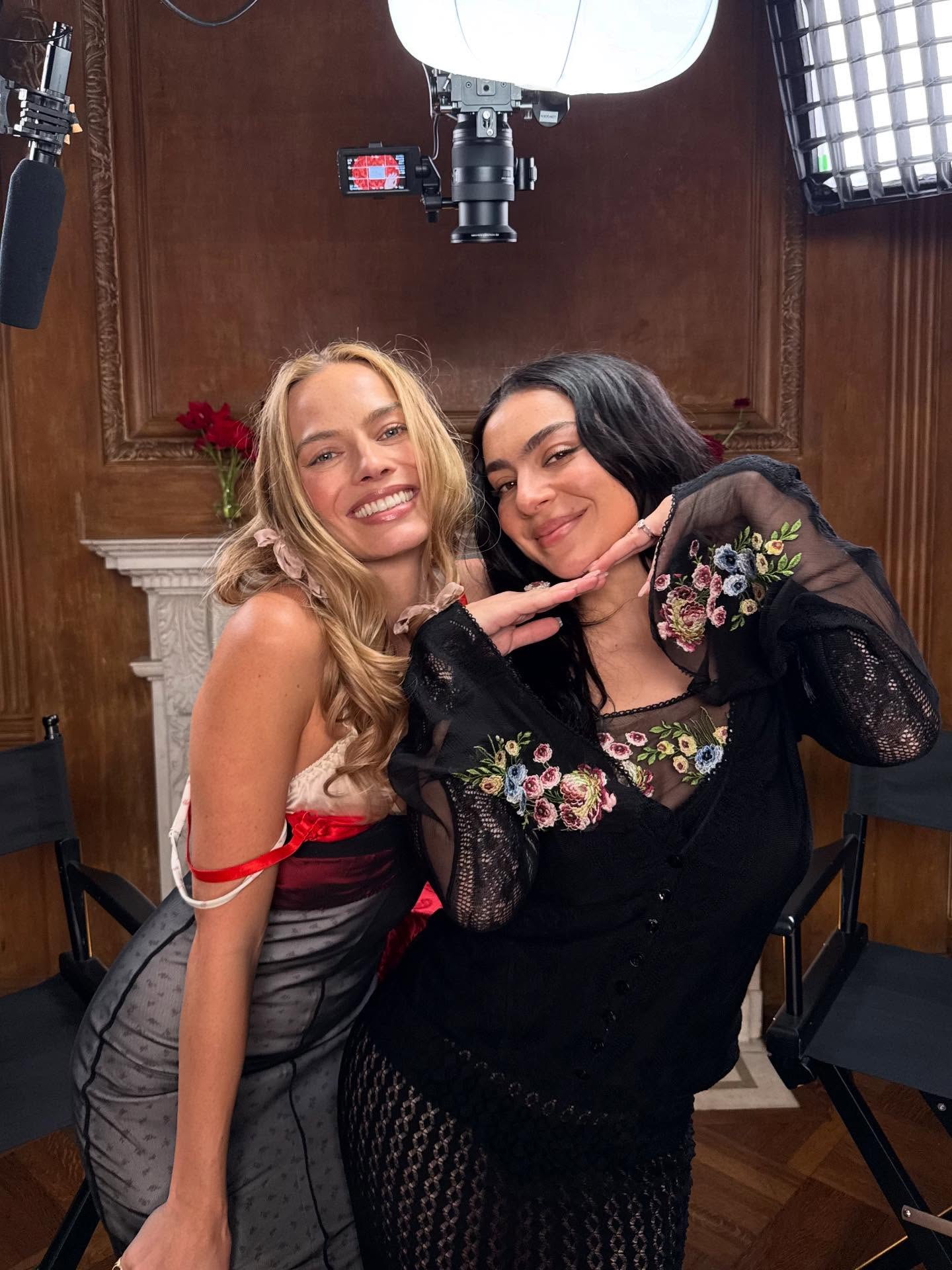
The revelation came in a video interview for Complex, where Robbie and Charli XCX were promoting their collaboration on “Wuthering Heights.” The project has paired the Australian movie star with the British pop disruptor, and their conversation moved easily from creative choices to the unspoken rules around women’s bodies in entertainment.
Robbie explained that the actor was not a mentor or a longtime friend, simply someone she had worked with. That may have made the gesture feel even more brazen. There was no intimacy to give the gift context, only a professional relationship and a book that seemed to say her body needed correcting.
Charli’s response cut through the tension with humor. According to Page Six, she quipped, “Your career is over, babe,” imagining the reaction if the actor’s name ever surfaced. The line landed as a wink to a culture that is slowly running out of patience for unsolicited body commentary, especially when it comes from men in positions of power.
Robbie did not name the actor, and she did not linger on revenge. Instead, the story worked as a snapshot of the way subtle, supposedly “helpful” gestures can carry the weight of an entire industry’s expectations about how a leading woman should look.
The Book and the Bigger Message
The book handed to Robbie was “French Women Don’t Get Fat: The Secret of Eating for Pleasure,” written by Mireille Guiliano and first published in 2007. It became a global bestseller, promising insider wisdom on the seemingly effortless slimness associated with a particular vision of French womanhood.
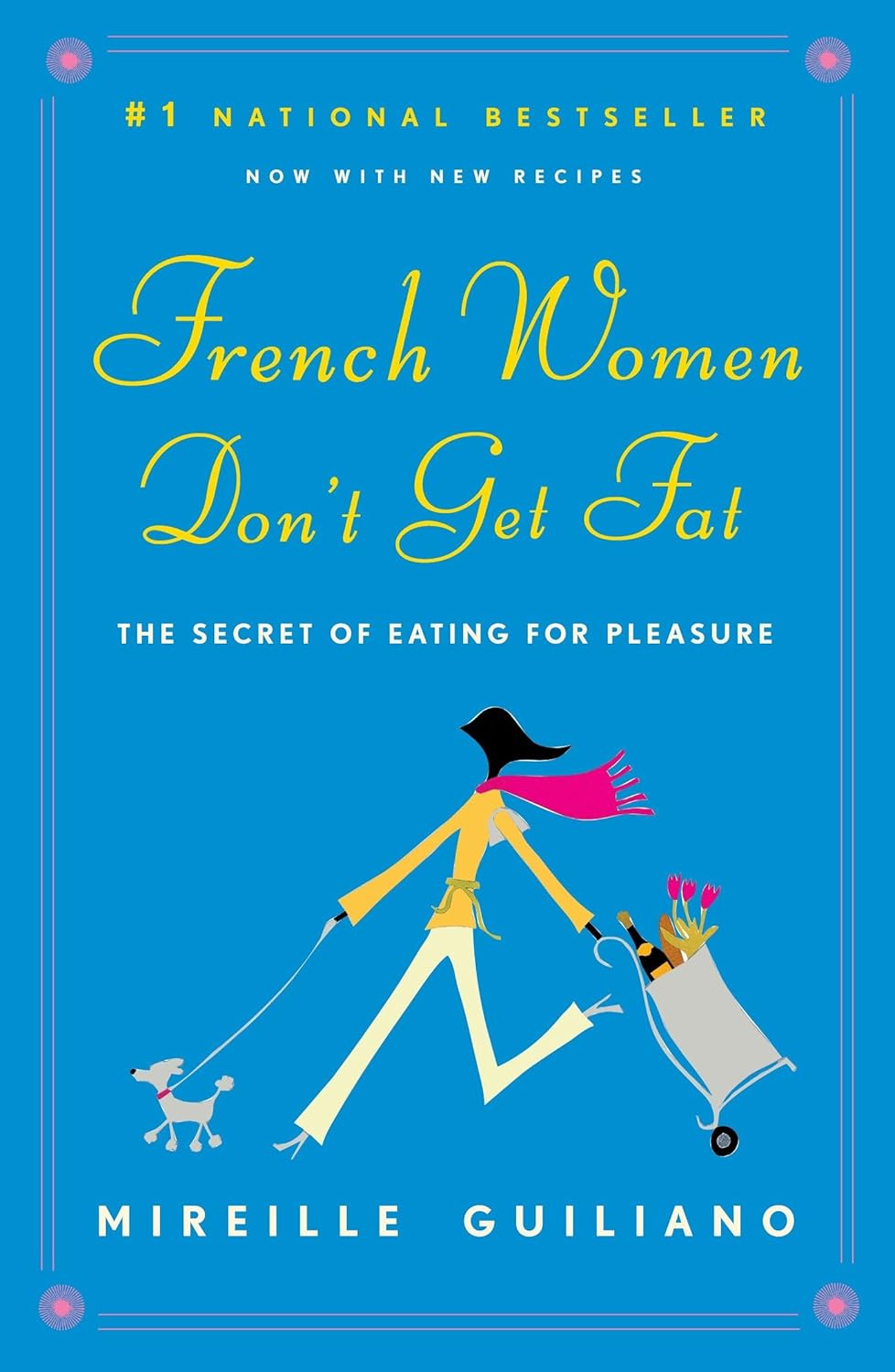
According to its Amazon description, the book is framed not as a strict diet plan, but as a philosophy of pleasure, balance, and mindful eating. It has often been marketed as a lifestyle manual rather than a regimen of restriction, offering anecdotes, recipes, and a way to think differently about food.
Robbie’s reaction did not question the author’s intent. Instead, she focused on how the gesture landed in the context of a young actress still finding her footing on set. A book that some readers might embrace as inspiring can feel very different when it arrives from a co-star who never asked whether she wanted advice about her body at all.
She told Charli that the actor “essentially gave me a book to let me know that I should lose weight.” That was the underlying message she took away. It turned a glossy lifestyle hardcover into a kind of silent note, one that said her body, as it was, did not quite fit the frame.
Moments like that do not make headlines in the moment. They happen in trailers, on sets, between setups. Years later, when an actress finally says it out loud, the smallness of the gesture is the point. It is exactly the kind of casual comment that has shaped countless careers, rarely recorded and almost never acknowledged.
From Scrutiny to Red Carpet Control
Robbie’s anecdote lands differently now that she is one of the most visible stars on the planet. The “Barbie” lead is no longer the newcomer silently absorbing advice. She is a producer, a fashion reference, and a walking billboard for high-end houses that compete to dress her.
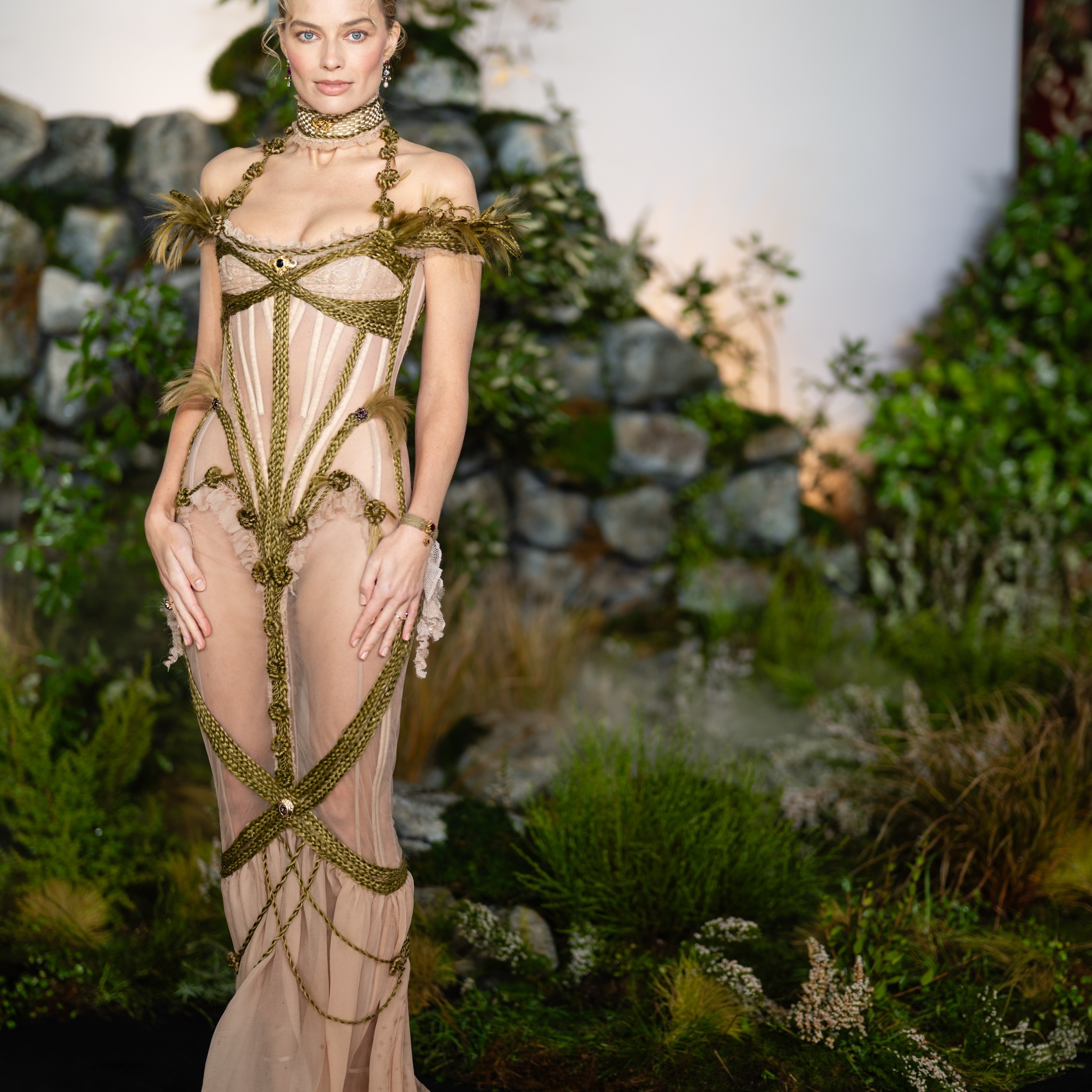
Her promotional run for “Wuthering Heights” has only cemented that status. According to Page Six, Robbie has made headlines with meticulously curated looks that lean into the dark romanticism of Emily Brontë’s 1847 classic. Beside her, Jacob Elordi brings his own modern brooding energy, but it is Robbie who has become the canvas for some of the production’s most evocative visual storytelling.
At the United Kingdom premiere of “Wuthering Heights,” Robbie wore a bracelet that drew direct inspiration from the Brontë sisters. The piece was a replica of a 175-year-old mourning bracelet once owned by Charlotte Brontë, created from the woven hair of her sisters Emily and Anne. The original bracelet was commissioned after their deaths, its strands intertwined as a quiet memorial.
On Robbie, the replica functioned as both costume and commentary. It tied her physically to the world of the Brontes, but it also suggested a woman who is fully in control of what she wears and why she wears it. The actress who once felt diminished by a co-star’s “helpful” book about eating less is now choosing archival references and historic symbols, shaping how her body is seen on her own terms.
That is the contrast that gives her new anecdote its charge. The same industry that once made room for unsolicited diet suggestions is now watching one of its biggest stars laugh about that old moment on camera, surrounded by collaborators who share her sense that those days belong in the past.
Robbie does not present herself as a crusader. She tells the story with a kind of rueful calm, as if she has long since made peace with it. The power is in the telling. By saying it out loud, she turns a private slight into a public record of what used to pass as normal, and what many women in the audience may quietly recognize.
Join the Discussion
When you hear Margot Robbie describe that early “diet” gift from a co-star, how do you think Hollywood should handle body-focused comments and so-called advice between colleagues on set?