

TLDR
A FOX true-crime special revisits Marilyn Monroe’s death, using new forensic analysis and digital reconstructions to question the official suicide ruling and explore whether her affairs with JFK and RFK made her a dangerous liability.
In 1962, the world was told that Marilyn Monroe died alone in her Brentwood bedroom from an overdose of barbiturates. The coroner called it probable suicide, and the legend hardened into fact. Yet the details around that August night have never fully settled, and a new FOX special, “Celebrity Crime Scene: Marilyn Monroe”, leans into the possibility that the truth may be darker than the paperwork suggests.
The program uses advanced 3D technology to recreate Monroe’s house and the bedroom where she was found. Three veteran crime scene investigators walk through that virtual space and point to what they see as inconsistencies in the official story, from how the body was discovered to questions about pill counts and timelines. The message is clear. If the evidence does not quite support a straightforward suicide, then what was it?
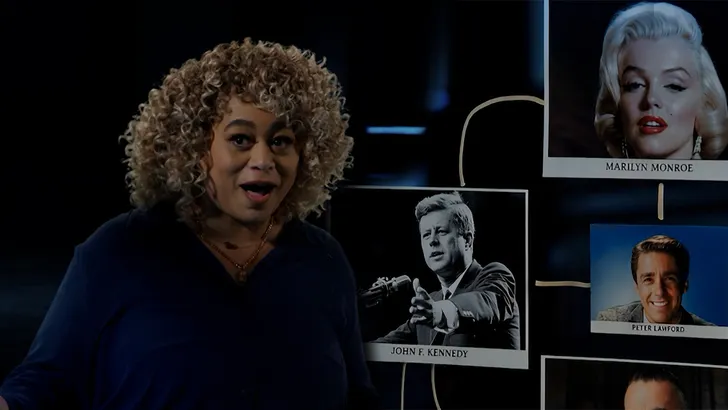
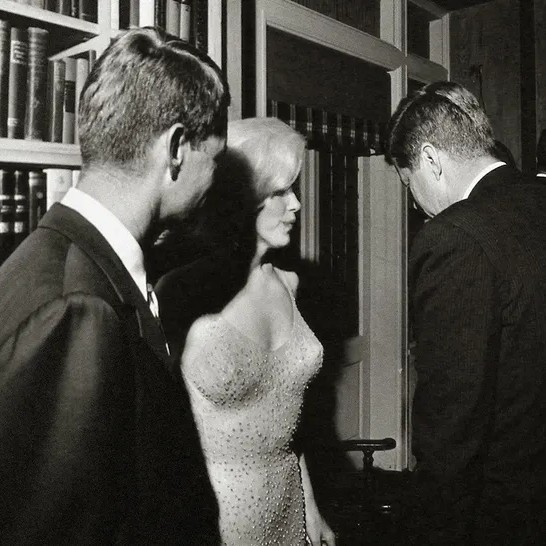
The theory at the heart of the special reaches straight into the mythology of Camelot. In the final chapter of her life, Monroe was romantically linked to President John F. Kennedy and his brother, Attorney General Robert F. Kennedy. According to accounts cited in the FOX broadcast and reporting from TMZ, she believed she was seeing both men, and she was abruptly cut off shortly before her death. For a woman already fragile and intensely isolated, that emotional whiplash would have been devastating. For the men around her, it may also have triggered something colder and more strategic.
Friends later said Monroe confided that the president and his brother had shared confidential details with her, from JFK’s private misgivings about the atomic bomb to the existence of Project Moon Dust, an Air Force effort to recover fallen space debris that was reportedly tied to secret locations such as Area 51. In the paranoid atmosphere of the Cold War, that kind of pillow talk did not stay romantic for long. It turned a movie star into a potential liability.
The special also revisits the paper trail Monroe left inside the federal government. FBI Director J. Edgar Hoover kept a file on her, viewing her circle of friends and political sympathies through the lens of anti-Communist suspicion and national security risk. The broadcast raises the question that has haunted conspiracy forums for decades. If agencies like the FBI and CIA believed Monroe was a threat, did their obsession extend beyond surveillance and into her final hours?
There is no official proof of a murder plot, and the Kennedys’ public legacy has long rested on images of service, sacrifice, and American glamour. Revisiting these theories inevitably brushes up against the carefully maintained myth of the family and how it is remembered in the national story. For Monroe, every new documentary and dramatization becomes another attempt to reclaim her from the caricature of a doomed blonde and place her back in the context of power, politics, and vulnerability.
“Celebrity Crime Scene: Marilyn Monroe” does not settle the case. It reframes it, setting a Hollywood icon against the machinery of the American state and asking viewers to weigh the gaps between official language and lived reality. Her death certificate may still read probable suicide. In the culture, the file on Marilyn Monroe never seems to close.
Do you see Marilyn Monroe as a tragic romantic figure, a political pawn, or something in between? Share how this new special affects the way you read her story, the Kennedys, and the official version of one of Hollywood’s most enduring losses.