

TLDR
In a rare public reckoning with private grief, Martin Short is speaking for the first time about his daughter Katherine’s death by suicide and asking the world to see her struggle as the final stage of an illness, not a moral failure.
Appearing on “CBS Sunday Morning,” the 76-year-old comic legend described the loss of his daughter, Katherine Hartley Short, as “a nightmare” for everyone who loved her. She died in February at 42, after what he called a long, exhausting battle with severe mental illness.
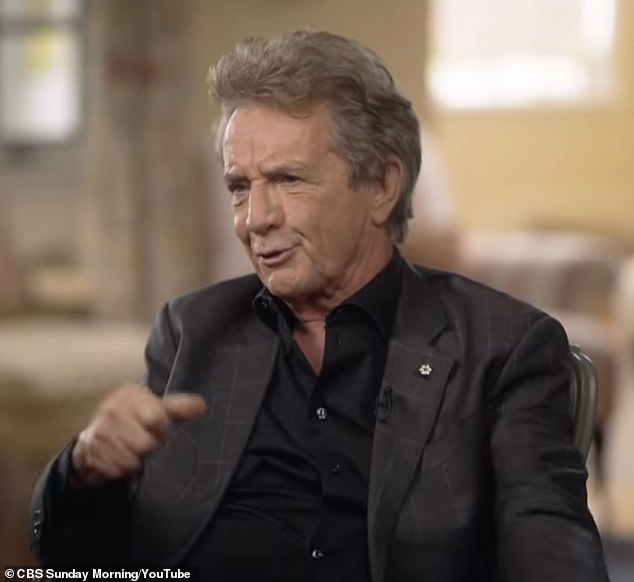
Short drew a deliberate line between the way people talk about cancer and the way they often whisper about mental health. He said his understanding now is that both can be diseases with outcomes that are sometimes devastatingly terminal.
“The understanding [is] that mental health and cancer, like my wife’s, are both diseases, and sometimes with diseases they are terminal,” said the “Father of the Bride” and “Only Murders in the Building” star.
He revealed that Katherine had lived for years with what he described as “extreme mental health” challenges, including borderline personality disorder. “My daughter fought for a long time with extreme mental health, borderline personality disorder, other things, and did the best she could until she couldn’t,” he told the program.
Katherine was one of three children Short and his late wife, actress Nancy Dolman, adopted during their three-decade marriage. Away from the red carpets, Katherine built a career as a licensed clinical social worker, earning a master’s degree from the University of Southern California and dedicating her life to helping others even as she wrestled with her own illness.
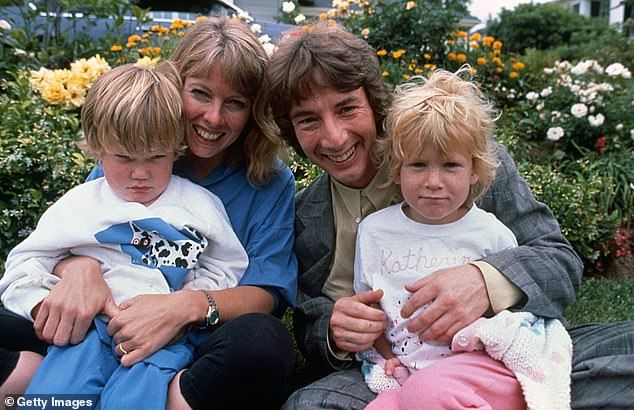
Her death, Short said, has “devastated” him and her brothers, Oliver Patrick and Henry Hayter. Yet his history with loss has also given him a painful perspective on her decision to let go.
Dolman died of ovarian cancer in 2010 at 58. Short shared that in her final moments, her last words to him were, “Marty, let me go.” When he thinks about Katherine’s death, he said he now hears a similar plea. In his mind, her final act was her way of saying, “Dad, let me go.”
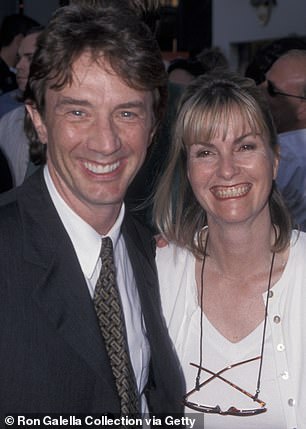
Short said he chose to go public not to revisit the circumstances of her death, but to support mental health advocacy and reduce stigma. He is using his platform to help Bring Change to Mind, the nonprofit founded by his longtime friend, Glenn Close, that focuses on breaking down shame and silence around mental illness.
He explained that the organization’s mission is to take “mental health out of the shadows,” and his own message is equally direct. “Not being ashamed of it, not hiding from the word suicide, but accepting that this can be the last stage of an illness, and that’s my approach to this,” he said.
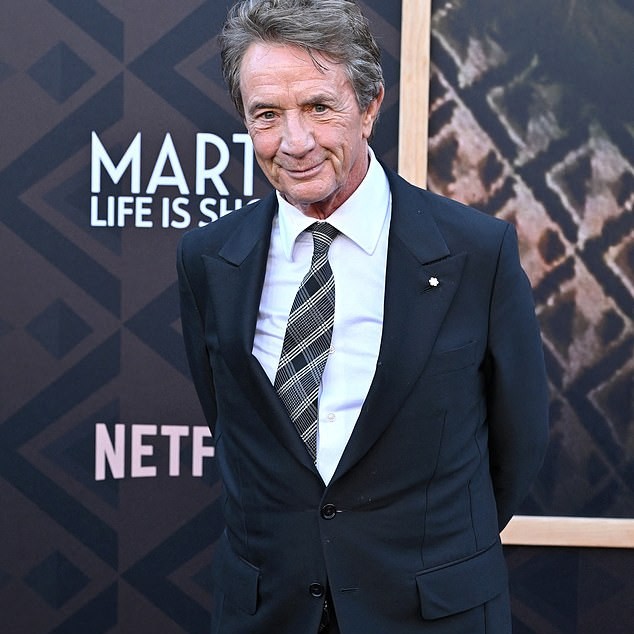
Short’s reflections arrive at a moment when his life and career are under a fresh spotlight, thanks to the Netflix documentary “Marty: Life Is Short,” directed by Lawrence Kasdan and premiering in May. The film revisits his decades of work, from “Three Amigos!” to his recent resurgence on streaming. His new interview reveals the private heartbreak running alongside that professional renaissance.
For fans who have long seen him as comedy’s irrepressible survivor, Short is now inviting a more complicated picture. He is still the quicksilver performer, but he is also a father in grief, insisting that his daughter’s story be told in the language of illness and love, not scandal and silence.
How does Martin Short’s decision to speak openly about suicide and mental illness change the way you see public grief, private struggle, and the families left behind? Share your thoughts with respect for those who are still living this reality every day.