


TLDR
Newly released Justice Department records reveal that New York City medical examiner Dr. Kristin Roman briefly held back from ruling Jeffrey Epstein’s jailhouse death a suicide, weighing his notoriety, possible enemies, and forensic disputes before confirming her conclusion.
Inside the Delayed Ruling
In the official record, Jeffrey Epstein’s manner of death first appeared as “pending.” Now, a newly disclosed Justice Department interview fills in what happened behind that single word and why the medical examiner who opened his body hesitated to close the case.
According to documents reported by Daily Mail US, Dr. Kristin Roman told Justice Department investigators that Epstein’s global infamy was the reason she paused before ruling his August 2019 death a suicide. She described a calculation shaped not only by anatomy, but by the reality that there were, in her words, “people wanting to kill” him.
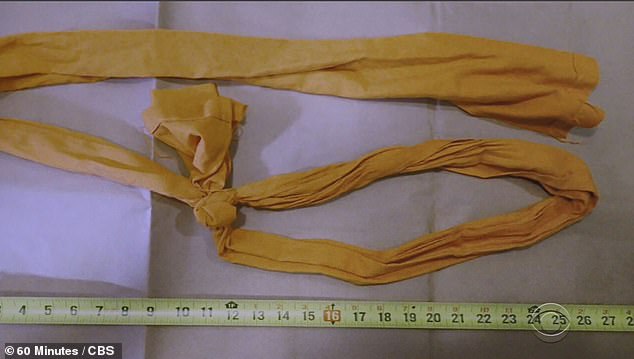
Roman said that if Epstein had been an ordinary inmate, she might have certified suicide “on the day of autopsy.” Instead, she left the manner of death blank while she reviewed photographs from the Metropolitan Correctional Center, including images of the nooses fashioned from bedsheets.
She was not permitted to visit the cell herself or question correction officers directly. Roman later told investigators that this lack of access did not change her ultimate opinion. She said any walk-through would have been “more for completeness rather than a big factor in making the determination.”
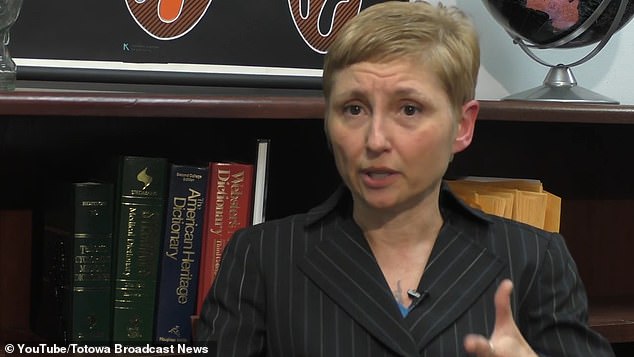
By the time her ruling was finalized, Roman called the case “pretty clear cut” for suicide, despite the storm that she knew would follow.
Competing Voices and Forensics
That storm had already begun. Epstein’s brother, Mark Epstein, hired famed forensic pathologist Dr. Michael Baden to observe the autopsy and later conduct his own review. Baden, who once headed the New York City medical examiner’s office, emerged as the most prominent critic of the suicide finding.
Speaking to outlets including Business Insider, Baden has argued that fractures in Epstein’s neck were more consistent with strangulation than a typical jailhouse hanging. He pointed to a trio of broken bones as something he had rarely seen in suicides across decades of examining deaths in custody. “That does not mean it can never happen,” he said, “but it is very rare if it happens.”
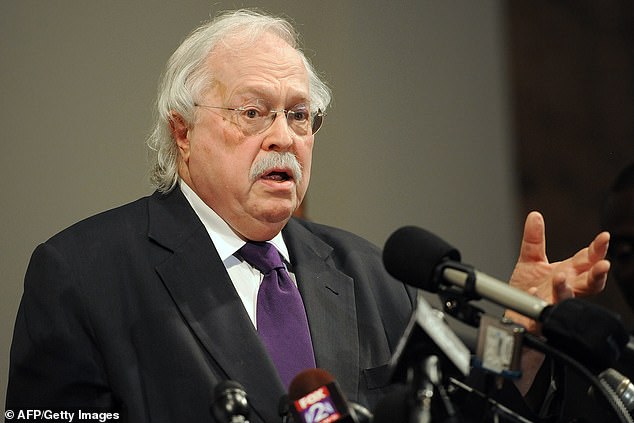
Roman reached the opposite conclusion from the same skeletal map. In her Justice Department interview, she reportedly maintained that the pattern of fractures matched a forceful downward drop using a bedsheet, not a manual assault by another person.
Two experts, two readings of the same bones. Between them sits Epstein’s legacy, a network of powerful acquaintances, and a public that has often treated his name as shorthand for unanswered questions.
Surveillance Gaps and Public Trust
The Justice Department’s Office of the Inspector General did not reclassify Epstein’s death. Its report focused instead on cascading security failures and missed checks inside the federal jail where he was held on sex trafficking charges.
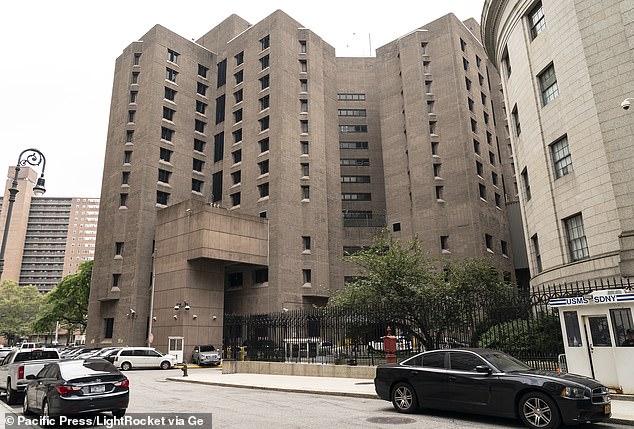
Among the newly detailed moments was a blurry “flash of orange” on CCTV, spotted around 10:39 p.m. the night before Epstein was found dead. FBI agents initially wondered if an inmate had been escorted up the tier. Inspectors later suggested it could have been bedding or linen being carried through the frame. The final report concluded that an unidentified correction officer appeared on the stairs during that window, but did not tie the sighting to Epstein’s death.
Files also described handwritten notes recovered in Epstein’s cell, which Roman determined were not suicide notes, and raised questions about how his body was removed from the facility. Each new detail fed a public narrative that was already primed to distrust official answers.
For Roman, the hesitation to sign off appears less like doubt about suicide and more like awareness of the case’s weight. For many watching from the outside, it has become another data point in a story where institutional failures, legal power, and conspiracy theories keep colliding.
Five years after Epstein died, the medical examiner’s verdict has not changed. What has changed is how much we now know about the unease, pressure, and procedural gaps that surrounded that single line on the report.
Join the Discussion
Do the newly revealed details about the medical examiner’s hesitation and the federal jail’s security failures change how you view the official conclusion on Jeffrey Epstein’s death?
References
- Daily Mail US: NYC medical examiner hesitated on ruling Epstein’s death a suicide due to so many ‘people wanting to kill’ him
- United States Department of Justice Office of the Inspector General: Report of Investigation of the Federal Bureau of Prisons’ Handling of the Incarceration and Death of Jeffrey Epstein