

TLDR
After both scored major wins for writing and directing at the Oscars, Ryan Coogler and Paul Thomas Anderson ended their friendly rivalry with a hug outside Craig’s in West Hollywood, turning a competitive night into a gracious shared moment.
From Showdown to Shared Moment
At the Oscars, Ryan Coogler and Paul Thomas Anderson spent the night on opposite sides of the same story. According to TMZ, Coogler took home Best Screenplay for “Sinners”, while Anderson claimed Best Adapted Screenplay and Best Director for “One Battle After Another”, which also went on to win Best Picture.
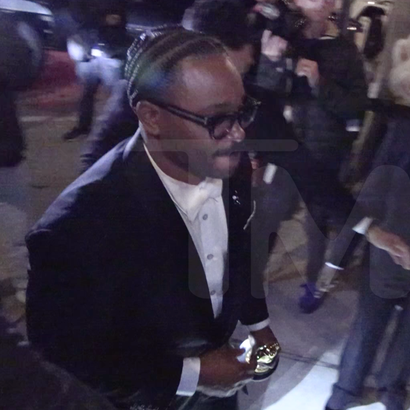
Yet any talk of a rivalry evaporated once the cameras were off. TMZ cameras later caught the two directors converging outside Craig’s, the West Hollywood restaurant that has become a kind of post-show clubhouse, where they spotted each other across the sidewalk, broke into smiles, and folded into a quick, familiar hug.
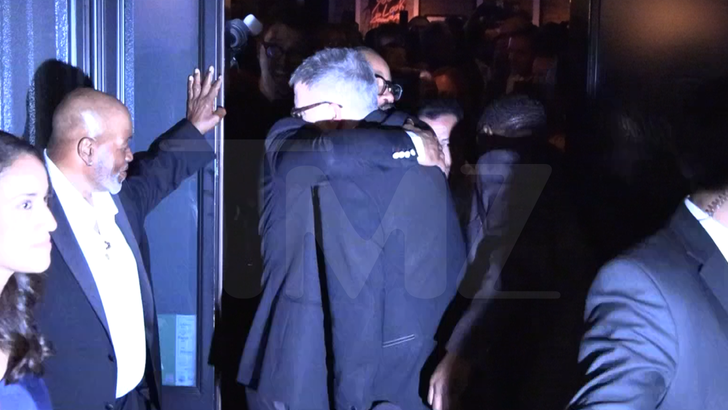
Two men who had just battled for the industry’s most coveted prizes looked, in that moment, less like competitors and more like colleagues who understand exactly how rare their shared experience is. There was no grandstanding, just a quiet exchange that read as mutual respect between filmmakers who now share adjoining chapters in Oscar history.
Legacies, Expectations, and New Chapters
For Anderson, the night extended a legacy that stretches back to the late 1990s, when “Boogie Nights” and “Magnolia” turned a San Fernando Valley kid into one of cinema’s most closely watched stylists. Later films like “Punch-Drunk Love” and “There Will Be Blood” cemented his reputation for sprawling, deeply human stories that still feel unmistakably personal.
Coogler represents a different, equally powerful arc. He emerged from independent drama with “Fruitvale Station”, revitalized a boxing franchise with “Creed”, then helped redefine the superhero blockbuster with Marvel’s “Black Panther”. According to Variety, that film’s success vaulted him into the center of a conversation about representation, global box office, and who is trusted to build cinematic worlds.
Watching Coogler and Anderson greet each other as peers underscored how their careers, while stylistically distinct, now intersect at the very top of the industry. One is a steward of richly textured ensemble dramas, the other a builder of modern myths, yet both are auteurs who draw fiercely devoted casts and audiences.
The hug outside Craig’s did not erase the sting for anyone whose film came up short, and it did not change the mathematics of who won what. It did, however, offer a brief counterpoint to the narrative of rivalry that often swirls around awards season, suggesting that the artists themselves may be less invested in combat than the culture around them.
For longtime moviegoers who grew up with Anderson’s rise and embraced Coogler’s ascent, the image of the two men meeting in the doorway of a neighborhood favorite carried its own quiet charge. It is a snapshot of continuity, a reminder that some of Hollywood’s most meaningful victories happen in the space between spotlights.
When you see two Oscar-winning directors choose camaraderie over competition outside the glare of the stage lights, does it change how you think about awards rivalries and creative success?