

TLDR
As Timothee Chalamet rides into a high-stakes awards season, resurfaced footage and fresh remarks about ballet and opera are colliding with his arthouse credibility and stirring up passionate reactions across the classical arts world.
Clip From the ‘King’ Era
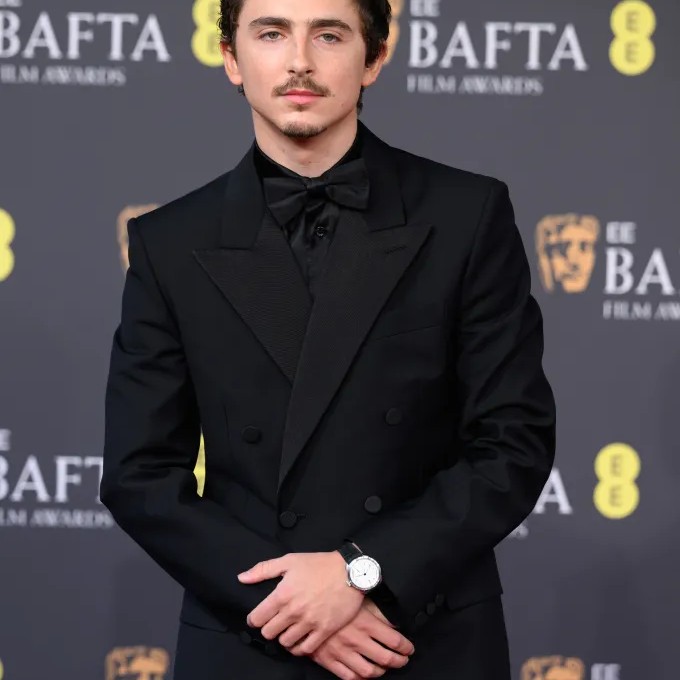
Timothee Chalamet is entering the 98th Academy Awards as a Best Actor nominee for the sports drama “Marty Supreme,” but the spotlight on his performance now shares space with an old clip that will not stop circulating.
The video, pulled into the present from a TikTok repost, dates back to 2019, when Chalamet was promoting David Michod’s historical drama “The King.” Reflecting on the uncertainty of his early career, he spoke about trying to find his place as an actor and compared that early struggle to life in other art forms.
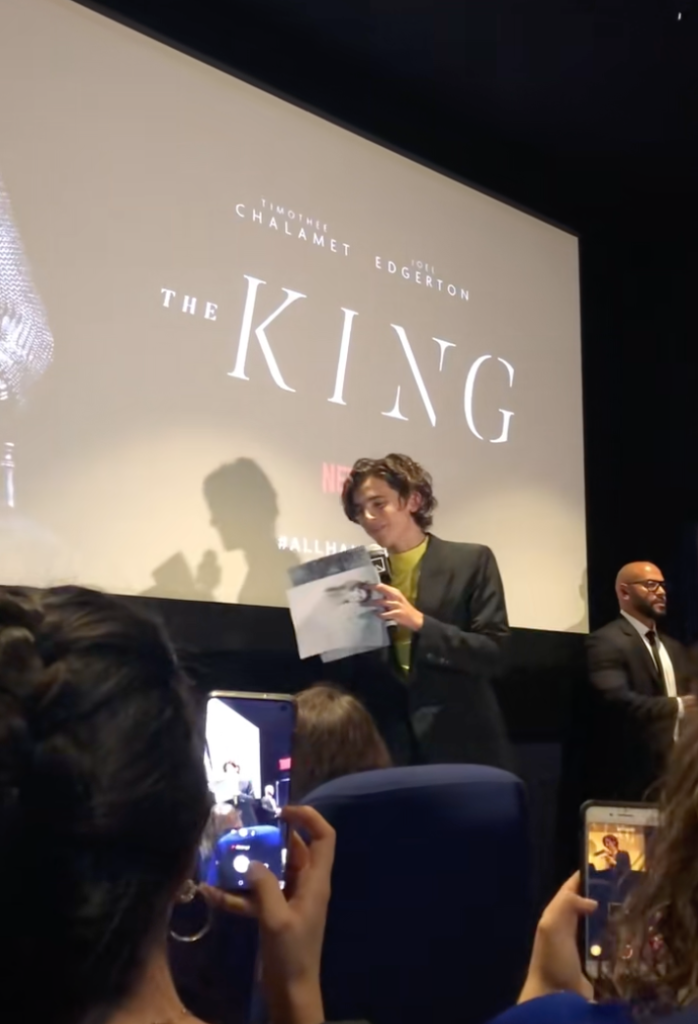
In the resurfaced moment, Chalamet refers to ballet and opera as a “dying art form” and recalls feeling that his path might end up in a world more like that, rather than in movies. He frames it with a self-aware shrug, saying there was “no woe is me thing” in his journey, just the grind of pursuing a dream.
At the time, the comment barely registered. Seen now, paired with his latest remarks, it reads less like a passing analogy and more like an early draft of a stance that has followed him into the heart of awards season.
Town Hall Comment Ignites Backlash
The newer flashpoint came during a town hall event with Matthew McConaughey, produced by Variety and CNN and aired on CNN in February. Talking about the future of movie theaters, Chalamet praised artists who publicly campaign to keep cinema alive, but admitted he views audience interest as the ultimate vote.

He pointed to recent blockbusters, saying that if people want to see something like “Barbie” or “Oppenheimer,” they will show up and “go out of their way to be loud and proud about it.” Then he drew a hard line between that and the classical stage.
Chalamet said he would not want to be working in ballet or opera, where the rallying cry feels like “Hey! Keep this thing alive, even though no one cares about this anymore.” He tried to soften the blow with a quick aside: “All respect to the ballet and opera people out there. I just lost 14 cents in viewership. I’m taking shots for no reason.”
The apology-in-advance did little to calm the response. According to Page Six, dancers, singers, and fans across social media called the comments dismissive, especially from an actor benefiting from the visibility and money that classical artists often lack.
The Royal Ballet and Opera, in a statement to The Hollywood Reporter, pushed back on the framing entirely, saying, “Ballet and opera have never existed in isolation. They have continually informed, inspired, and elevated other art forms.”
Some institutions chose strategy over outrage. Seattle Opera leaned into the moment, posting, “All we have got to say is… use promo code TIMOTHEE to save 14% off select seats for Carmen, through this weekend only. Timmy, you are welcome to use it too.” Regional companies followed with their own tongue-in-cheek offers, turning a perceived slight into a ticket-selling hook.
Family, Legacy, and Awards Season
The tension stings more because Chalamet has long positioned himself as fluent in the world he appeared to belittle. He has said on camera, “My grandmother, my mother, my sister danced in the New York City Ballet. I grew up dreaming big at the backstage at the Koch Theater in New York.”
Those words once burnished his image as an arts child who graduated to global stardom without losing his reverence for the stage. Now they sit beside the “no one cares” sentiment, inviting uncomfortable questions about who gets to decide which art forms deserve saving.
For Chalamet, the stakes are less about cancellation and more about calibration. His public persona is that of a thoughtful, theater-bred leading man who bridges indie credibility and blockbuster draw. Remarks that appear to write off ballet and opera risk dulling that carefully tuned edge, particularly with older, culture-engaged audiences who have followed both his career and the institutions he referenced.
Whether this storm fades after the Oscars or lingers as part of his narrative, the contrast is striking. As he prepares to walk into film’s biggest night with “Marty Supreme” in the Best Picture race, the dancers and singers he grew up around are using his name to fill their own houses, one promo code at a time.
Join the Discussion
Do you see Timothee Chalamet’s remarks as a revealing misstep, a harmless analogy, or something in between when measured against his background and the state of ballet and opera today?