

TLDR
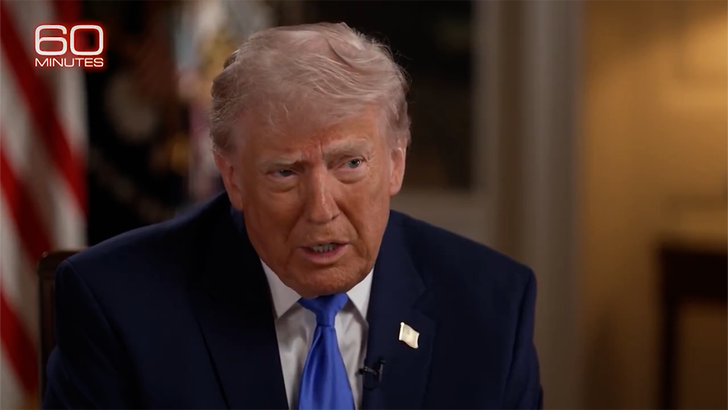
In a sit-down for “60 Minutes”, President Trump described pushing back on Secret Service efforts to rush him out of the White House Correspondents’ Dinner shooting, praising Melania’s composure and promising the gala will be back on the calendar.
The ballroom that usually trades in punchlines and pointed monologues turned into a crime scene when gunfire broke out during the White House Correspondents’ Dinner. According to President Trump, he did not immediately follow the standard playbook that night.
In a follow-up interview on “60 Minutes” with anchor Norah O’Donnell, Trump recounted how he resisted being hustled out of the room as agents moved to shield him. He said he wanted to understand what was happening around him rather than disappear behind a curtain while alarms and screams filled the venue.
Television replays caught what looked like a stumble as Trump moved offstage. He told O’Donnell that it was not a fall. He said it was the moment his detail ordered him to get down, their hands on his back, pushing him lower as they tried to move him out of the line of fire.
Vice President J.D. Vance, by contrast, was swept away almost instantly. That split-screen image, the president lingering as his running mate vanished from view, now feeds a fresh round of debate about courage, protocol, and political theater.
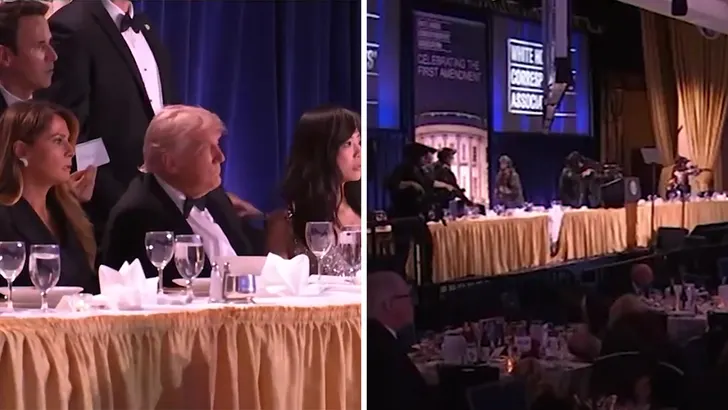
Trump used part of the interview to spotlight his wife, First Lady Melania Trump, and how she handled the chaos. He praised her as “strong” and “smart” in what he described as her first direct encounter with an active shooting situation. She was not present in Butler, Pennsylvania, during the assassination attempt on him there, a memory that still shadows his public life.
Federal authorities have identified the suspect as Cole Allen. Trump said Allen sprinted past the metal detectors “in a blur” before opening fire, only to be quickly taken down by law enforcement inside the venue. The president even remarked that an NFL team could use that kind of speed, a darkly wry aside on a night marked by fear.
Trump repeatedly credited the Secret Service and other officers for neutralizing the threat before anyone suffered life-threatening injuries. He also reaffirmed that the White House Correspondents’ Dinner will be rescheduled within about 30 days, framing its return as a sign that the press, the presidency, and the ritual itself will not be cowed.
The president also addressed what officials have described as an alleged manifesto tied to the suspect, and he used portions of the “60 Minutes” sit-down to question O’Donnell’s framing of the events. The exchange added another layer of tension, turning a safety debrief into a referendum on how his actions should be interpreted.
For supporters, Trump’s choice to linger in the room may read as defiance, a refusal to look frightened. For critics, it raises uncomfortable questions about security discipline and the pressure his protectors now face. The veteran dinner that usually delivers one night of insider humor has become part of the long-running story about how Donald Trump meets danger, challenges the script, and rewrites his own narrative in real time.
How do you see Trump’s decision to resist evacuation at the White House Correspondents’ Dinner: steadfast leadership, unnecessary risk, or something in between?