

TLDR
Keir Starmer choked back tears as he resigned as U.K. prime minister under pressure from his own party, while President Donald Trump publicly declared he had “failed badly” on immigration and energy.
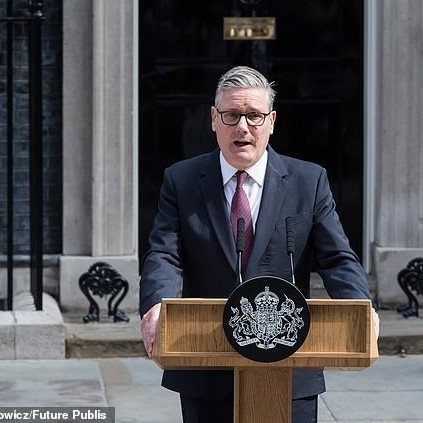
The image was pure political theater. Outside Downing Street, Keir Starmer fought to keep his voice steady as he surrendered the keys to power. Online, President Donald Trump was already framing the moment for his own audience, calling Starmer’s two years in office a failure.
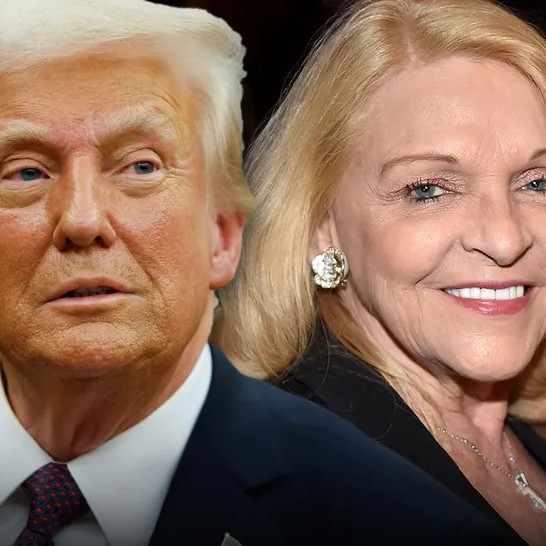
Trump weighed in through a Truth Social post that ricocheted across both sides of the Atlantic. He wrote, “Keir Starmer will resign as Prime Minister of The United Kingdom.” In the same message, he said Starmer had “failed badly” on immigration and energy policy, singling out North Sea oil, then added that he wished the outgoing leader well.
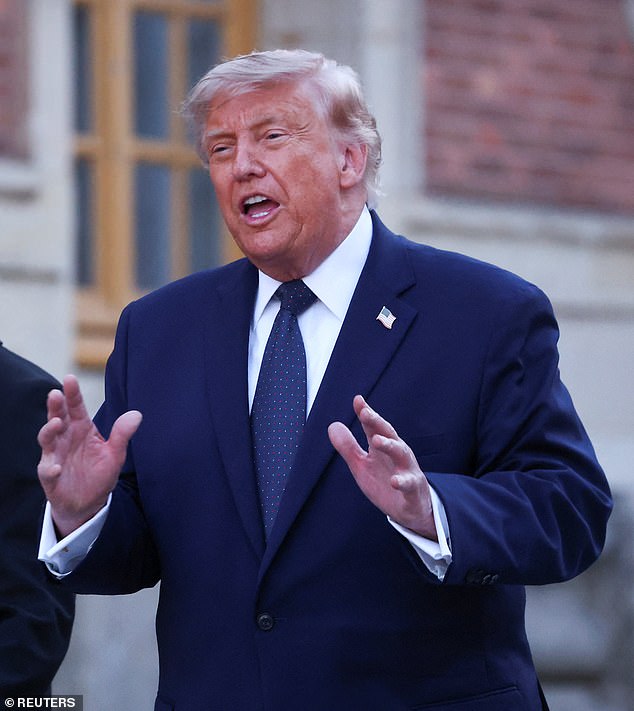
The two men had only just shared a stage at a G7 summit in France. Their relationship had cooled after Starmer refused to allow the United States to use British military bases for strikes on Iran and declined to send U.K. aircraft carriers to the Middle East. Tension deepened when Vice President JD Vance publicly stepped into British politics, prompting Starmer’s office to criticize those trying to “interfere in our democracy.”
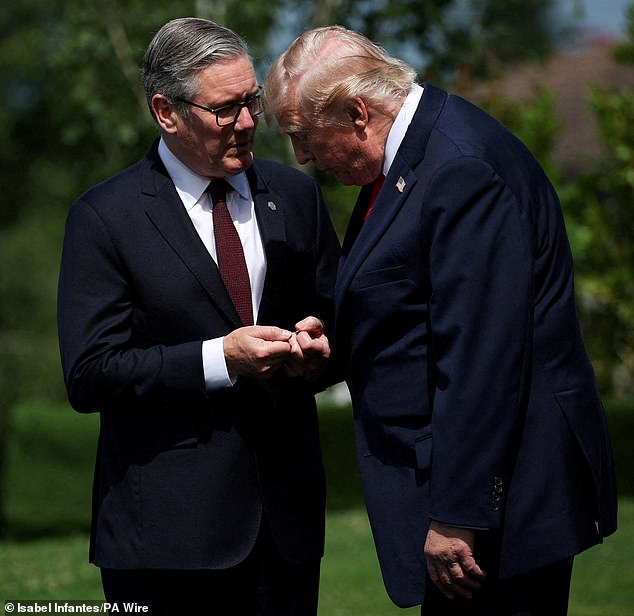
Starmer’s downfall, however, was engineered much closer to home. His resignation came as he faced a mutiny inside the Labour Party, triggered by the by-election win of former Greater Manchester mayor Andy Burnham. After romping home in Makerfield, Burnham rapidly emerged as the favorite to take over the party and, with it, the country’s top job.

In his resignation statement, Starmer tried to hold on to his achievements. He reminded supporters that he had returned Labor to government after years in the wilderness. Then he acknowledged the new reality. “I know the question being asked now is not who is best placed to change the Labor Party… the question my party is asking now is whether I am best placed to lead us into the next general election,” he said.
The answer, from his own MPs, was no. “I accept that answer with good grace… that is why I will resign as leader of the Labour Party,” Starmer continued, signaling the end of his premiership and his hold over the movement he had reshaped.
The most intimate moment came as he spoke about his family. Starmer, often cast as a reserved former prosecutor, became emotional as he thanked his inner circle and promised a different future. He said he would now focus on being the “best husband” and the “best dad.” His wife, Victoria, and their son watched from the street, flanked by close aides, as the political chapter of their family life closed in front of the cameras.
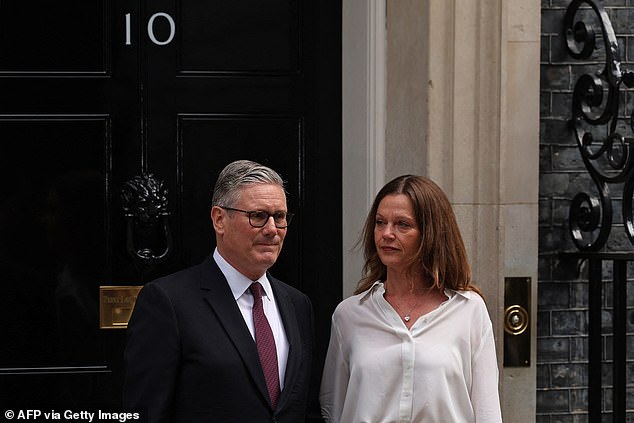
For Trump, the resignation offered an opportunity to restate his hard lines on immigration and energy and to contrast himself with a departing ally. For Starmer, the images of that day may become the defining snapshots of his legacy: the lawyer who carried Labor back into power, then stepped aside under pressure from his own ranks.
Burnham, newly sworn in as an MP and already a star within Labor, now steps into the spotlight. As he arrives at the Commons, both Westminster and Washington are watching. Trump has turned Starmer’s fall into an American storyline, and the next act in this cross-Atlantic power drama is only beginning.
Did Trump’s public verdict change how you see Keir Starmer’s exit, or was his fate already sealed inside the Labor Party? Share your take on how this resignation reshapes the U.K.’s future and America’s closest alliance.