

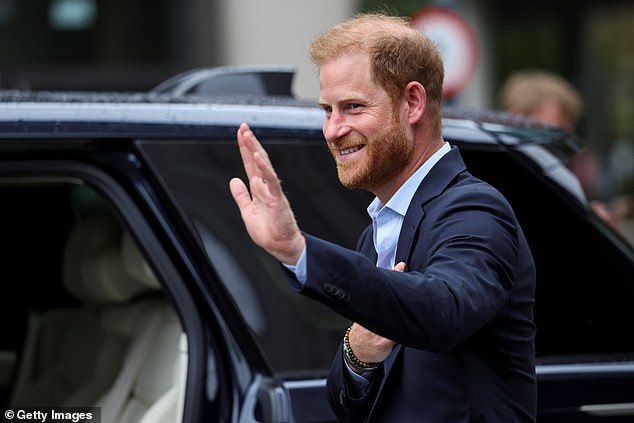
If Prince Harry really is on the brink of winning back the one royal privilege he lost the moment he walked away, the shockwaves will not stop at Buckingham Palace gates. They could hit every taxpayer who ever wondered what, exactly, they are paying for.
A new report from DailyMailUS suggests that the Duke of Sussex is close to regaining automatic armed police protection whenever he sets foot in Britain. Insiders quoted in the piece say the decision will “change everything” for Harry and Meghan. Palace sources, meanwhile, warn it could change everything for the monarchy too.
The Report Rocking Royal Watchers
The latest twist comes from DailyMailUS diary editor Richard Eden, who reports that “sources close to the Sussexes” believe Harry has effectively won his fight over taxpayer-funded security in the United Kingdom.
Those sources, speaking to Mail on Sunday editor at large Charlotte Griffiths, claimed that a fresh risk assessment by the government’s Royal and VIP Executive Committee has tilted in Harry’s favour. According to the report, they insisted it is “now a formality” and that “security is now nailed on for Harry.”
The article goes on to say that a formal ruling in his favour is expected to be announced within weeks, and that such a decision could finally clear the way for more relaxed visits between King Charles and his California-based grandchildren, Prince Archie and Princess Lilibet.
It is important to stress that, as of now, this is a claim being made by unnamed sources and reported by the Mail. The British government has not publicly confirmed any change to Harry’s security status. What is confirmed is the scale of the battle he has been waging for years to get that status back.
How Harry Lost His Palace Grade Protection
When Harry and Meghan stepped down as working royals and moved to North America, they did more than step away from royal titles on the palace website. They stepped away from the automatic round-the-clock armed police protection that comes with being a senior royal based in Britain.
Under rules overseen by the Royal and VIP Executive Committee, publicly funded police protection is reserved for a tightly controlled group of individuals who live in the United Kingdom and carry out official duties. Once the Sussexes relocated and ceased to be working royals, their security status was reviewed and downgraded.
Harry has been open about how personally he took that decision. In legal filings in London and in his television interview with Oprah Winfrey, he has framed the loss of automatic police protection as a breaking point. He argued that his family could not safely visit the UK without it and that the change forced him and Meghan to sign lucrative entertainment deals.
He even offered to personally fund police protection when in Britain. The Home Office rejected that proposal, arguing that members of the public cannot simply hire specialist police officers, and that decisions on who receives this level of security are a matter of state, not private contract. Courts in London have since backed the government’s approach and rejected his challenges to restore the same automatic security he once enjoyed.
What Harry Gets Now, and What Could Change
Despite the high-profile legal feud, Harry is not currently travelling into the UK like an ordinary private citizen. When he and Meghan visit, their security needs can be assessed on a case-by-case basis. The Mail report notes that they are expected to give around thirty days notice of any visit so that potential threats can be reviewed and, if necessary, police teams assigned.
That is very different from the kind of default, automatic protection Harry enjoyed as a working royal, which did not depend on individual applications or trip-specific risk assessments. According to Eden’s reporting, it is that automatic status that could now be restored.
The potential consequences go far beyond whether Harry feels comfortable bringing Archie and Lilibet to see their cousins at Windsor. Eden raises a striking legal prospect. He suggests that if automatic armed protection is formally restored, Harry and Meghan could once again qualify as “internationally protected persons” under international law.
That label, usually applied to heads of state and senior royals, can influence how foreign governments treat an individual’s security. Eden argues that such a move might even put pressure on American authorities and American taxpayers to pick up some of the bill for the couple’s security in the United States. It is a provocative possibility, and one that would ignite fierce debate if it ever became reality.
The Money, the Deals and the Security Story
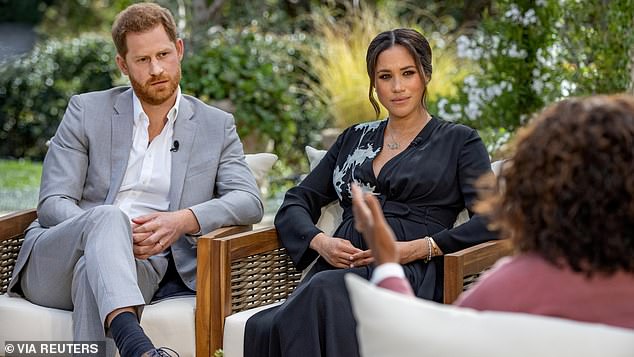
Security has always been at the heart of the Sussex story. In their televised interview with Oprah Winfrey, Harry and Meghan said that palace plans for their son Archie involved no automatic security at all, and Harry linked their eye-watering deals with streaming giants to the need to pay for protection once royal funding stopped.
By the time Harry’s memoir “Spare” hit bookshelves, the theme was familiar. The prince described a life shaped by threats and a constant calculation about safety. To their supporters, the couple were simply doing what they had to do to protect their young family. To their critics, the security narrative became a symbol of the messy half-in, half-out dynamic they appeared to want with the monarchy they rejected.
Not everyone siding with Harry on security is a Sussex superfan. The Daily Telegraph’s Celia Walden wrote that restoring protection is “the right thing to do” because “being the King’s son isn’t his fault.” For that camp, even a wayward prince is still a high-value target. Letting him walk the streets of London without the right shield is an unacceptable risk.
Palace insiders quoted by Eden see a darker side. They warn that giving automatic, taxpayer-funded protection back to a couple who live and earn their fortunes overseas will be almost impossible to explain to the public. Once you grant that level of protection to royals who have left, where does the line sit for those who stay, or for other members of the extended royal family who have quietly lost their own security perks?
Charles, William and a Very Modern Royal Dilemma
King Charles has tried to strike a careful tone in public. In his first address as monarch, he told the world, “I want also to express my love for Harry and Meghan as they continue to build their lives overseas.” It was a gentle but unmistakable confirmation that the couple now live fully outside the royal fold.
Automatic protection would blur that line. If Harry and Meghan are treated, for security purposes, like senior working royals whenever they fly in from California, it raises awkward questions for Prince William and the rest of the family. Why should those who shoulder the daily grind of royal duty share the same taxpayer-funded privileges as relatives who criticise the institution from the comfort of Montecito?
Republicans in Britain, who already argue that royal security costs are excessive, would almost certainly seize on any such ruling as proof that the system is rigged for the well-connected. For them, the image of British taxpayers paying to guard a self-exiled prince on brief visits home would be political gold.
On the other hand, there is an emotional pull to the idea of Archie and Lilibet able to visit their grandfather and cousins without a security wrangle overshadowing every trip. For many royal watchers, whatever their view on Harry’s choices, the thought of the King meeting his grandchildren in relative peace is hard to resist.
The One Privilege Harry May Never Escape
In the end, that is what makes this reported twist so potent. Harry has spent years insisting that he wanted freedom from the institution that defined his life. Yet his most passionate legal fight centres on the one thing only that institution can fully provide. State-backed, palace-grade protection.
If the DailyMailUS report is right, and if the British state does quietly restore automatic armed security for the Duke of Sussex, it will not just be a legal victory. It will be a reminder that, for all the Netflix cameras and California sunshine, Harry is still a man whose life and safety are considered a matter of national interest.
Whether you see that as fair, outrageous or simply inevitable, one thing is clear. The battle over his security is really a battle over who counts as royal in the twenty-first century. Harry walked away from the job. The title, and all the complications that come with keeping him safe, may never truly let him go.