

TLDR
As big-name sponsors abandon London’s “Wireless Festival” over Kanye West, the man running the show is keeping Ye on the bill and asking the public to rethink what forgiveness looks like.
London’s “Wireless Festival” has become a battleground over what a second chance really costs. Kanye West is still set to close all three nights, even as brands that once fought to plaster their logos on his stages quietly pull the plug.
Festival Republic managing director Melvin Benn, the executive who oversees “Wireless Festival,” is not backing down. In a statement cited by multiple outlets, he said people need to move past Kanye’s string of deeply criticized public comments, including antisemitic remarks that shattered the rapper’s relationship with corporate America.
Benn framed the decision in moral terms rather than marketing language. He said, “Forgiveness and giving people a second chance are becoming a lost virtue in this ever-increasing, divisive world.” He even admitted that his own first reaction mirrored the backlash.
According to Benn, he initially shared the “instant comments of disgust” that followed news of a possible Kanye booking. He explained that he eventually chose a different path, saying he would “offer some forgiveness and hope to him as I have decided to do.”
For Benn, this is about rights as much as reputation. He has called it Kanye’s “legal right” to take the stage at Finsbury Park this July, stressing that the festival is “not giving him a platform to extol opinion of whatever nature” and is instead hiring him to perform the catalog that defined an era.
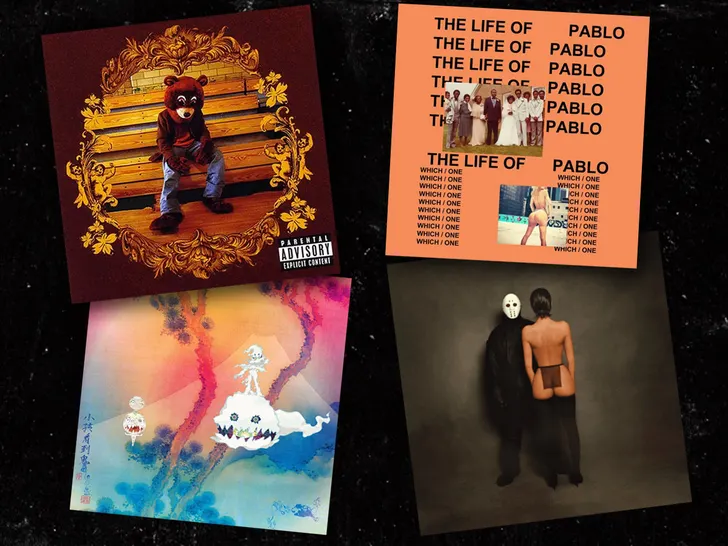
That catalog is the one many Gen X and Boomer fans remember: “College Dropout,” “Graduation,” and radio-dominating singles like “Gold Digger,” “Stronger,” and “Heartless.” For a generation that watched Kanye evolve from producer to superstar, the question is whether those memories can be separated from the recent headlines.
Several major companies have already given their answer. PepsiCo, Anheuser-Busch, PayPal, and Diageo have all withdrawn sponsorship after learning that Kanye will headline “Wireless Festival” across all three nights. Their retreat underlines a hard reality. For global brands, association with a polarizing figure can outweigh the draw of a guaranteed sellout crowd.
The stakes now stretch far beyond a single weekend. For Kanye, the booking is another test of how much live audiences still want to share space with him after years of controversy and lost partnerships. For “Wireless Festival,” it is a gamble that loyalty to the music will outlast the chill from the boardroom.
Fans and observers are left in the middle, weighing Benn’s appeal to grace against the pain many felt when Kanye’s words crossed lines of race, faith, and basic decency. When the lights go up in Finsbury Park, the crowd size, the energy, and the empty sponsor banners will all tell their own story about where that line sits now.
Do you see this as an act of overdue grace for a once-generation-defining artist, or as a festival choosing nostalgia over accountability? Share where you stand and how Kanye’s evolution has changed your relationship to the music.