

TLDR
Hayley Mills says the Disney fortune audiences imagined she took home from “Pollyanna” and “The Parent Trap” was gutted by 90% tax rates, a mishandled trust, and legal defeats that left her with only a fraction of her earnings.
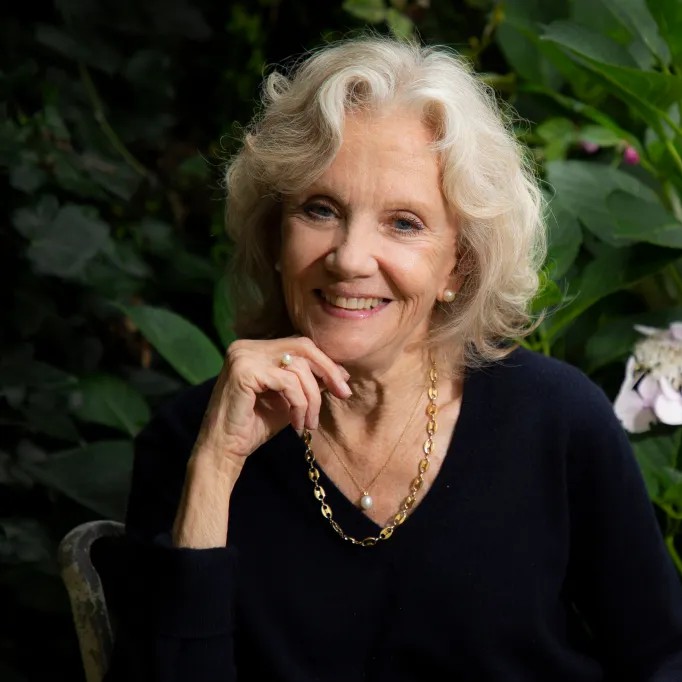
To generations of viewers, Hayley Mills is forever the mischievous twin in “The Parent Trap” and the sunny optimist in “Pollyanna.” Onscreen, her Disney years felt golden. Offscreen, as she is now candidly explaining, the money that should have secured her future quietly disappeared into the coffers of the British government.
Celebrating her 80th birthday on “The Rosebud Podcast” with her sister, actress Juliet Mills, the former child star was asked what became of “the millions” she earned under Walt Disney. Her answer landed with the weight of a plot twist: “I gave it to the tax man.”
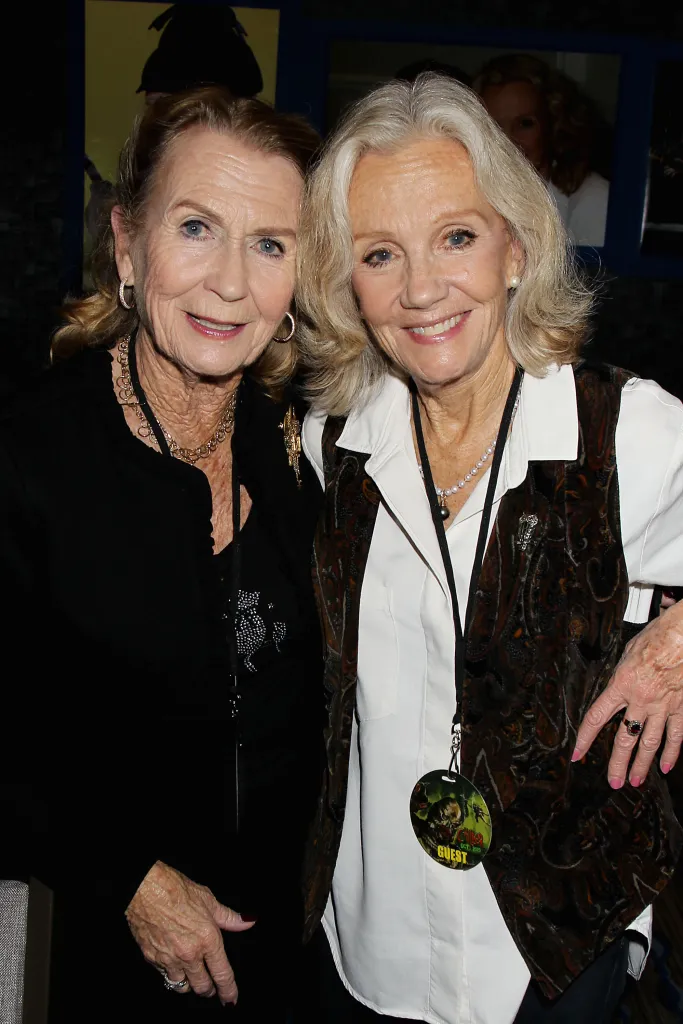
Mills explained that her earnings were placed in a trust, meant to shield her from what was then an almost unimaginable “super tax” of about 90 percent. The structure was arranged by her father, actor John Mills, and family solicitor Stanley Passmore. Looking back, she suggested it was a mix of bad guidance and innocence. Host Gyles Brandreth told her there was “naivete” in her father’s optimism, and Mills did not disagree.
When she turned 21, she expected the ceremonial “key to the door.” Instead, she recalled sitting at a green baize table as Passmore slid an envelope toward her. Inside was a demand from Inland Revenue, the British tax authority. “Thank you. You owe us 90% of your earnings,” she remembered the message as saying. Bewildered, she asked what it meant. Passmore, she said, simply laughed and told her, “I think it means you have to move to America [for work].” Mills summed up her feelings now with a blunt verdict: “He was a crook.”
The Times of London reported that the trust had not been set up correctly. That mistake triggered a 91 percent surtax on everything inside it and became entangled in a wider legal fight over similar arrangements, including one involving actor Jack Hawkins. Mills fought back, winning an early victory in a case overseen by the respected judge Lord Denning. But the triumph was short-lived. The House of Lords overturned the ruling, and according to the Los Angeles Times, her last appeal to the British government was rejected in 1975.
If she had prevailed, Mills had said she might have kept about 2 million, which would amount to well over $17 million today. Instead, the image of the pampered Disney princess clashed with the reality of a young woman who had to start again, financially and professionally, while the films that made the money lived on as studio assets.
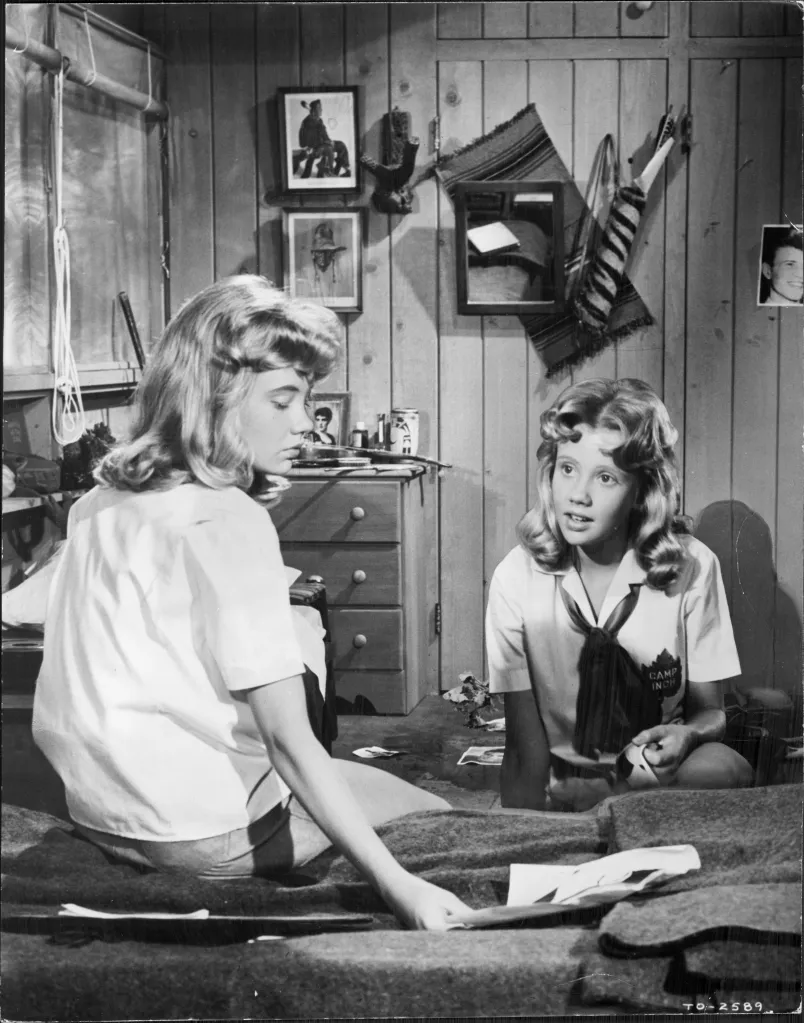
The financial upheaval also collided with a fragile moment in her career. Mills admitted on the podcast, “I didn’t have a sensible enough sense of my career and what I ought to be doing, but I didn’t want to do more Disney movies.” She longed to “spread my wings” beyond the wholesome parts that made her famous but were beginning to limit her.
She described feeling caught between the child audiences adored and the adult actress she was struggling to become. “There was this moment when we’re growing up where we’re really on that uncomfortable seesaw, being still one foot in childhood and the other foot in being a woman,” she said. A part of her feared the reaction: “Oh, she’s not that cute little girl anymore. She’s what?”
Today, Mills remains a working actress, memoirist, and emblem of a very different Hollywood era. Her story is not simply about money lost. It is about a beloved child star discovering that fame, family trust, and even courtroom victories cannot always protect the little girl the world thought Disney had already taken care of.
Did you assume Hayley Mills kept her Disney millions, and does knowing this change how you see those classic films and the child stars who carried them?