

TLDR
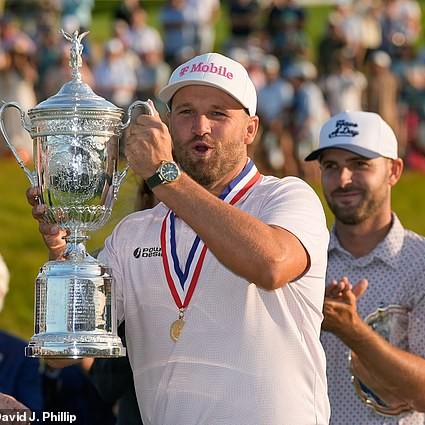
Wyndham Clark walked into Shinnecock Hills as golf’s easy villain and left with a second US Open trophy, a battered reputation, and a very public plea for forgiveness.
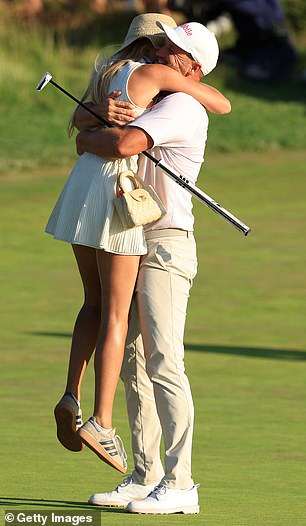
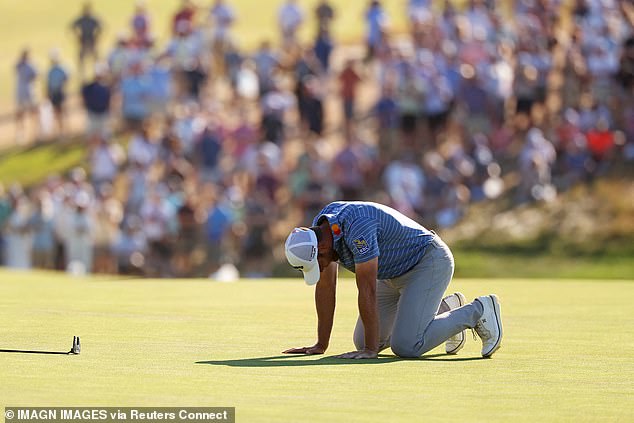
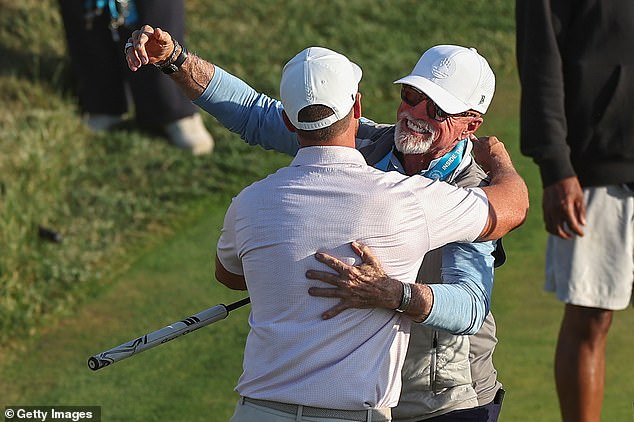
The scene on the 18th green belonged in a sports movie. Clark, 32, shaking with relief after a nervy closing 73, finally tapped in for par. His girlfriend, Emily Tanner, sprinted onto the green. His father, Randall, wrapped him in a long embrace. Around them, though, the soundtrack was oddly muted for a national champion who had just survived one of the sport’s most unforgiving stages.
All afternoon, the Hamptons gallery had given Clark a reminder that in golf, memory is long. He was booed, heckled, and trailed by security as several fans were removed for abuse. This was not Europe at the Ryder Cup. This was an American crowd turning on an American winner, and it was rooted in everything Clark has done to damage his own image in the past three years.
There is the vandalized vintage locker at Oakmont, smashed in anger after a bad round at the US Open. That meltdown earned him a suspension from the storied club and an anger management course. There was the 2025 PGA Championship, when he hurled a club in fury and nearly struck a volunteer, shattering an advertising board instead. In a sport that clings tightly to decorum, those moments cast him as an easy antagonist.
So when he arrived at Shinnecock Hills with a six-shot lead after 54 holes, the script almost wrote itself. Golf history remembers collapses. Greg Norman’s 1996 Masters still hangs in the air for Gen X fans who watched it live. Clark flirted with adding his name to that list as his cushion shrank and Sam Burns charged with a brilliant 67.
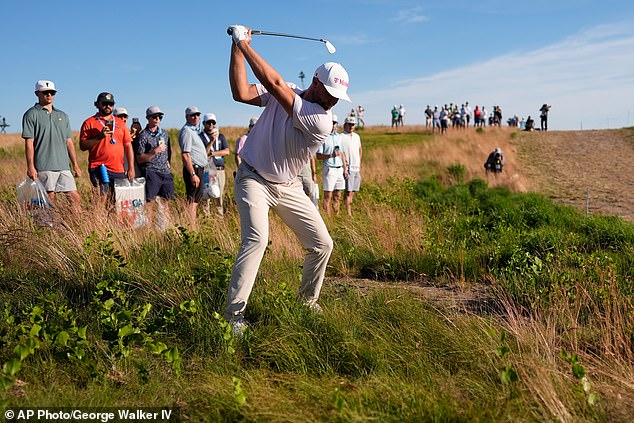
The pressure showed early. A bogey at the second, a scrambling par from sand and scrub near the trash bins at the fourth, more loose swings as Burns rolled in a 50-foot birdie on the eighth. The roar from ahead in the fairways reached Clark, and his lead shrank to a single shot. His swing looked uncertain, his face tight, the crowd circling.
Through it all, his primary rivals on paper faded. World No. 1 Scottie Scheffler stalled. Rory McIlroy drifted down the board. The real contest became Clark versus his own history, and the fans who reminded him of it with every step.
When it was finally over, Clark faced them directly. Standing by the 18th green, trophy secured by a single shot, he spoke to New York and to his critics everywhere. “New York does not really like me, but I love you guys,” he said. “I get it. Some of it is self-deserved. I did some unfortunate things last year that I really regret. I have been sorry multiple times, and I am still sorry, so hopefully I can win you guys over eventually.”
Moments earlier, Randall Clark had squeezed his son with a line that cut through the noise. According to the broadcast, he told him, “That is the toughest round of golf you will ever have to play.” Given the jeers, the choked-back swings, and the ghosts of Oakmont and the PGA, it sounded less like a cliche and more like a promise that this particular storm had finally passed.
Yet even in victory, acceptance is not guaranteed. The cheers at Shinnecock were subdued, almost wary. Clark now owns two US Open titles and a career that keeps forcing golf to decide what it values more: spotless manners or honest, sometimes messy, attempts at change. On Sunday, he walked off with a trophy, a family huddle, Tanner by his side, and a question that will follow him into every clubhouse he enters.
Is Wyndham Clark still the villain, or did the Hamptons just witness the first real chapter of his redemption story?
Do you see Clark’s win at Shinnecock Hills as a true turning point, or will his past always trail him down the fairway? Share your thoughts.