


‘Heated Rivalry’ Skates Onto Screens
A gay hockey romance with locker-room explicitness and tender, breathless longing is not the kind of show that usually sends straight women into collective meltdown. Yet that is exactly what has happened with the new series “Heated Rivalry”, a hotly discussed import that has set Reddit threads and group chats on fire.
The series opens on the ice, but it is the bedroom scenes that have everyone talking. What looks at first like straightforward gay porn quickly reveals itself as something more calculated, more emotional and much more cleverly engineered for mass obsession.
At its center are two professional ice hockey stars. Shane Hollander, played by Hudson Williams, is a clean-cut Canadian golden boy. Ilya Rozanov, portrayed by Connor Storrie, is his moody, chiselled Russian rival, world-weary and dangerous in all the right ways. Their rivalry on the ice is as intense as their passion off it, which becomes the engine of the entire show.
From Enemies To Lovers On Ice
“Heated Rivalry” wastes no time turning a sports feud into a full-blown enemies-to-lovers fantasy. At first, Ilya takes the lead, seducing the puppy-like Shane and dragging him into a world of previously unimagined carnal possibilities. Their chemistry is fuelled by competition. Every shove against the rink boards hints at the next grab at the headboard.
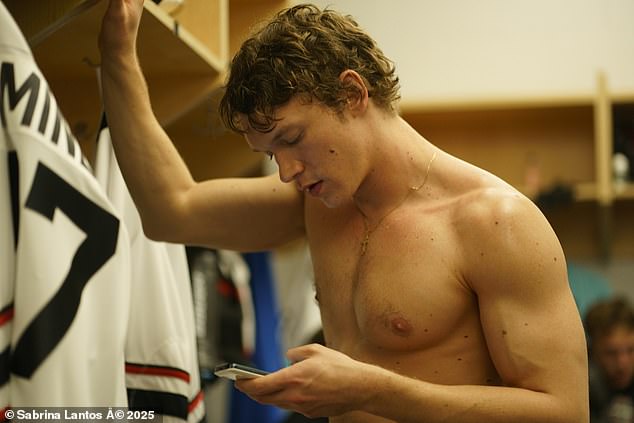
As the series unfolds, the power dynamic shifts. Ilya, initially the one in control, is revealed to be far more vulnerable than his swagger suggests. The viewer is pulled into his messy personal life, with an abusive, drug-addicted brother who treats him like a cash machine and a father whose health is failing. Shane, meanwhile, is a virtual choir boy, terrified of anyone discovering what is really happening when he is not gliding across the ice.
The result is an intense, sometimes destructive relationship, full of cultural and emotional fault lines. Ilya comes from the wrong side of the tracks, Shane from a squeaky-clean world with far more to lose. Strip away the hockey sticks and the sweaty gym scenes and this is the classic romance formula that has driven everything from “Wuthering Heights” to the frothiest Mills & Boon novel, simply reframed through two male leads.
Columnists have noted that, in many ways, it feels like a modern, queer twist on Jilly Cooper’s famous bonkbusters. Cooper set her stories in the fictional English county of Rutshire, packed them with steamy power struggles and even titled one novel “Rivals”. Swap the Cotswolds for Montreal, horses for hockey sticks and Rupert Campbell-Black for the saturnine Ilya, and the comparison starts to look very deliberate.
Made For A Feminine Gaze
Part of what makes “Heated Rivalry” such a phenomenon is that it refuses to be just about sex, even when it feels like that is the main event. There are lingering glances across locker rooms, bitten lips, heavy breathing and extended shots of semi-naked gym sessions before anything truly explicit happens. When the clothes finally do come off, the show leans hard into graphic detail, but it keeps circling back to the feelings in between.
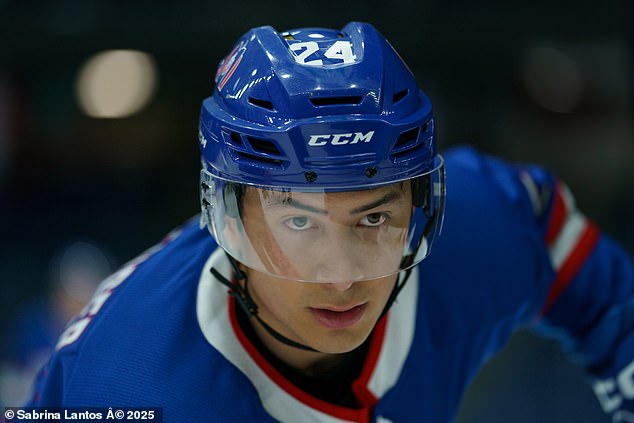
Connor Storrie, who plays Ilya, has been refreshingly direct about the intent. In one interview, he described the series as being geared toward a “more feminine gaze”. The focus is not only on the mechanics of sex, but on emotional exposure, vulnerability and the tiny moments of tenderness that build intimacy. Those are the beats that make an audience, especially a female one, feel seen.
That framing helps explain why the series has sparked so much fascination among straight women who might otherwise avoid explicit gay content. The show offers them the pleasures of a classic romance: longing, slow-burning tension, the thrill of forbidden desire. It simply wraps those elements in two male bodies rather than the traditional heterosexual pairing.
Even in its most X-rated passages, the series cannot resist a touch of playfulness. Shane, despite tumbling into a whirlwind of lust, often clings to his pristine white socks, a small running joke that punctures the self-seriousness of the erotic spectacle.
Engineered To Go Viral
“Heated Rivalry” did not quietly slip onto streaming platforms. After its premiere in North America, the show picked up momentum with remarkable speed, fuelled almost entirely by word of mouth and social chatter. It became the sort of series you discover not through official trailers, but through breathless online threads and endlessly clipped scenes going viral on social media.
Major outlets quickly joined the chorus. Rolling Stone hailed it as a “word-of-mouth sensation”. Variety called it “the year’s biggest TV surprise”. Newsweek dubbed it “the unexpected TV conversation of the moment”. The Radio Times admitted it was “hard to fathom just how quickly Heated Rivalry took the world by storm”.
It’s hot, it’s gay, and it’s sort of about hockey: Montreal is obsessed with Heated Rivalry https://t.co/VpUOjoOcEA pic.twitter.com/m7waDPTaMY
— Montreal Gazette (@mtlgazette) January 9, 2026
Look closely and the strategy becomes obvious. The series is built to capture as many overlapping audiences as possible. Sports fans get the on-ice drama. Romance readers get slow-burn emotional stakes. Gym culture devotees get sculpted torsos and locker-room strutting. Queer viewers get unapologetically gay sex, while doom-scrolling, mid-life women are handed an addictive hit of escapist fantasy.
One commentator went so far as to suggest that it feels like something an AI model had been asked to design in order to tick every single trending hashtag. Hockey. Queer romance. Enemies to lovers. Traumatic backstories. Viral thirst-trap potential. It is marketing catnip in serialized form.
When Sex Crowds The Story
Not everyone is entirely convinced that more is more. The same column that praised the show for its addictive emotional beats also argued that the explicitness sometimes overwhelms the very drama that makes the series work. As the writer put it, “In many ways, the sex ruins it. It gets in the way of the drama, and makes it seem like the narrative is just a flimsy framework on which to hang the smut.”
It is a sharp criticism, but a revealing one. “Heated Rivalry” walks a tightrope between genuine romantic storytelling and pure fan-service spectacle. At its best, the show captures the intoxicating swirl of first love, professional pressure and cultural dislocation. At its worst, it risks becoming a beautifully shot excuse to string together erotic set pieces.
That tension may actually be part of the appeal. Viewers are not just watching Shane and Ilya test each other’s limits. They are watching a series test how far it can push on-screen intimacy while still holding on to a beating heart.
The Real Rivalry Behind The Hype
Underneath the sweat, the socks and the smut, “Heated Rivalry” is fighting a different battle. It is the clash between genuine romance and the cold logic of an algorithm-driven entertainment industry. On one side, there is an old-fashioned love story about two damaged men trying to bridge a cultural chasm. On the other, there is a meticulously packaged content product, precision-engineered to be clipped, shared and obsessed over.
The question is not just whether Shane and Ilya can make their impossible relationship work. It is whether any modern love story, no matter how sincere, can exist without being fed into the machine of online virality. As one commentator mused, in an era when “all that matters these days is breaking the internet”, decency and restraint rarely stand a chance.
For now, “Heated Rivalry” has won the only contest that seems to matter. It has become the show everyone feels compelled to at least sample, if only to understand the hysteria. Whether you tune in for the hockey, the heat or the heartbreak, the series delivers an intoxicating reminder of why we keep returning to the same old story. Two people, locked in battle, discovering that the fiercest rivalry of all is the one between desire and fear.
And that is the secret that keeps viewers, queer and straight alike, hitting play. Not just the bodies on the ice, but the emotional collision waiting underneath.