

The lights were blinding, the tables were packed, and the Miami race crowd had come to see Sean “Diddy” Combs turn a nightclub into his personal runway. Behind the velvet rope, though, the real drama was in the paperwork and the way the money moved.
TLDR
According to a contract obtained by organizers, Sean “Diddy” Combs’ 2023 appearance at Miami’s M2 nightclub included a $100,000 fee to be paid entirely in cash to a company named for his mother, a detail now viewed differently amid legal and public scrutiny.
A $100K Night in Miami
In 2023, as Miami buzzed with Formula 1 energy, the M2 nightclub hosted a Race Week “kickoff party,” headlined by Diddy. It was the kind of glamorous one-night booking that has defined parts of his later career, a fusion of celebrity presence, music, and high-ticket nightlife.
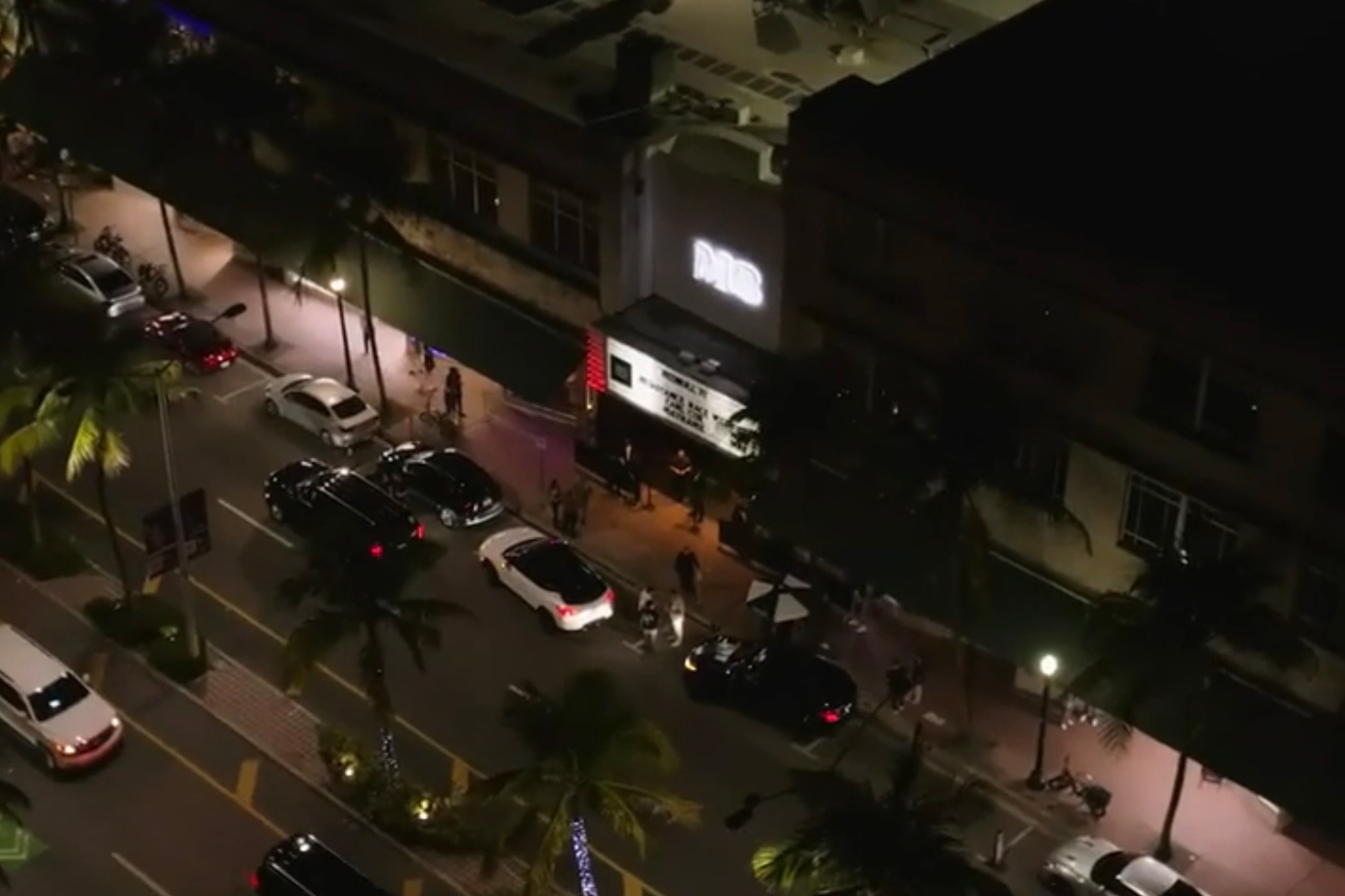
Page Six reported that the appearance came with a $100,000 price tag and a very specific way that money was to be delivered. Organizers received a contract spelling out that the “one hundred thousand US dollars” appearance fee would be split into two installments and that all payments should be made in cash, following written directions.
In an era when most celebrity deals run through wire transfers and digital ledgers, the insistence on cash stood out. The contract did not describe a traditional wire to a major agency or a long-established entertainment company. Instead, it directed the funds to a business with a name that felt intensely personal.
The paperwork, according to the report, was made with an entity called Janice Combs Music Holdings Inc. For club organizers, it was another line in a contract for a marquee booking. Viewed later, it became part of a larger mosaic around how one of hip-hop’s most visible moguls chose to handle his money and his image.
Money, Mothers, and Music Holdings
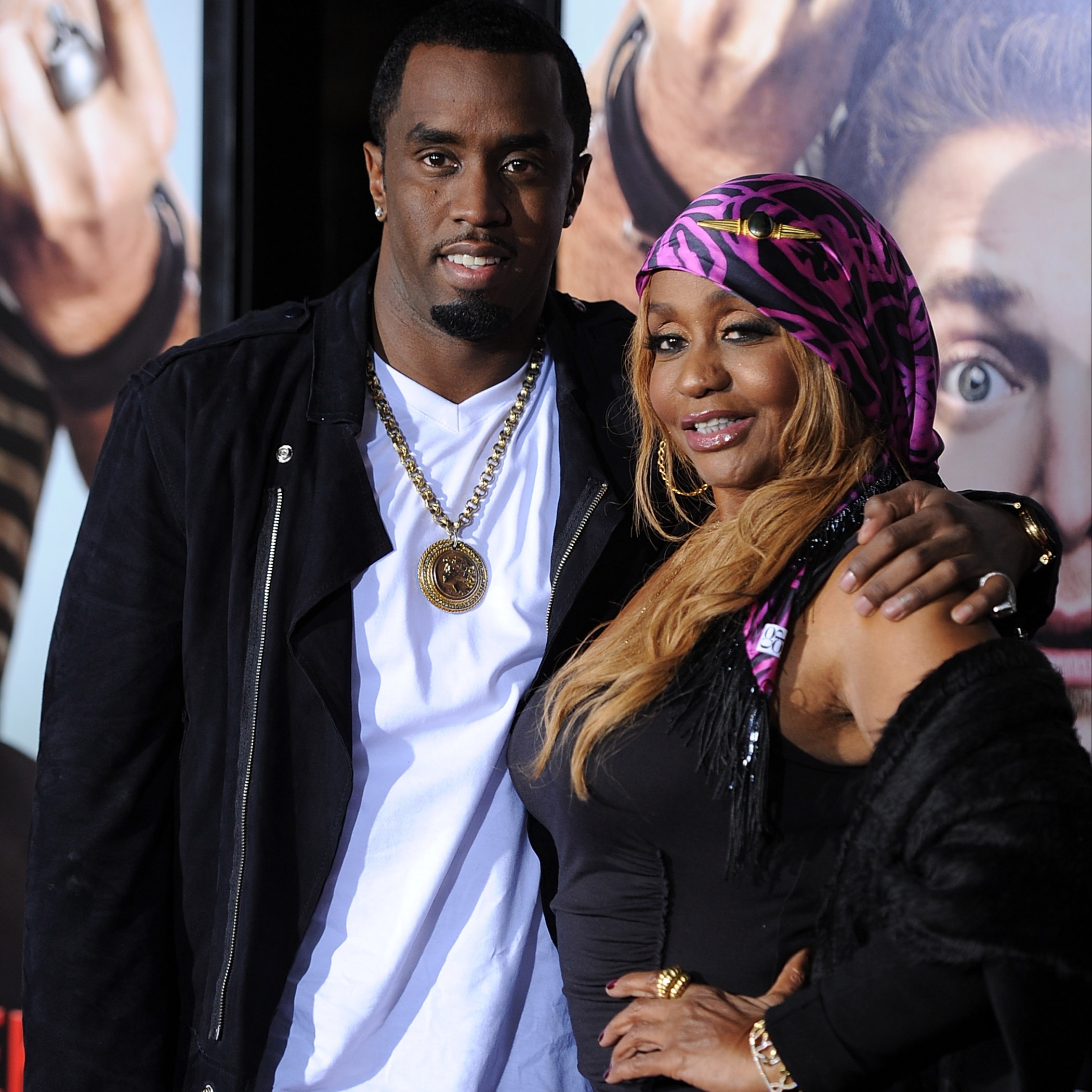
Diddy has never hidden his devotion to his mother, Janice Combs. Across decades of interviews, red carpet moments, and social media posts, he has framed her as a guiding force, a survivor who held the family together and pushed him toward the empire he eventually built.
That devotion has often played a part in his public brand. The brash Bad Boy Records founder who reveled in luxury was also the son who brought his mother to premieres and honored her at milestone birthdays. The duality has been central to how fans and sponsors have viewed him.
Against that backdrop, a company named Janice Combs Music Holdings Inc., receiving a six-figure nightclub fee in cash, carries its own emotional charge. On paper, there is nothing unusual about an artist routing income through a closely held company or choosing a family-inspired name. Many entertainers build entire corporate trees around loved ones.
Where the optics shift is in the combination of that name with the insistence on cash. Cash payments for performances are not inherently improper. They can be part of negotiated terms or preferred by parties on either side. Yet large amounts of currency, especially when tied to high-profile figures, tend to invite closer attention from observers who are already tracking every move.
For fans who grew up with “I’ll Be Missing You” and watched Diddy evolve from label executive to global brand, the Miami contract reads like a small, precise snapshot of the way his business world operated during a period that would soon become far more turbulent.
Reputation on the Line Again
By the time federal agents raided Diddy’s properties in 2024, the narrative around him had already darkened. A wave of civil lawsuits from several women accused him of serious misconduct and abuse. One of the most high-profile suits came from singer Cassie Ventura, who had a long romantic and professional history with him.
That civil case, which outlined years of alleged control and violence, was settled quickly for a reported eight-figure sum, with both sides agreeing to resolve the matter privately. Additional suits followed from other accusers, each adding new layers to the picture of a man once celebrated mostly for his business instincts and party-hosting charisma.
When federal authorities executed search warrants at his homes, images of agents at his gates were broadcast across news channels and social media timelines. The raids did not instantly resolve any questions, but they did cement a new phase in his public life, where speculation about investigations began to overshadow red carpet appearances.
Within that context, the Miami appearance contract takes on added weight. A six-figure fee, paid in cash, routed through a company named for his mother, is now being discussed not just as a nightlife detail but as one more brick in the wall of financial and reputational complexity surrounding him.
Diddy has consistently denied wrongdoing in response to the civil allegations, and his legal team has framed the cases as attempts to capitalize on his fame and wealth. As with any high-profile figure under legal and public scrutiny, the final judgment on his legacy will depend on what is proven in court and what emerges in the public record.
What is clear is that the image he spent decades building has shifted. The glamorous F1-adjacent night in Miami, the packed club, the $100,000 fee, and the company bearing his mother’s name now sit in a different light. They are part of the story of how a self-made mogul managed, protected, and projected his power at a time when almost every decision could echo far beyond the VIP section.
According to Page Six, a representative for Combs did not respond to a request for comment about the Miami contract and its cash requirements.
Join the Discussion
When you look at the Miami cash contract alongside the later lawsuits and federal raids, does it change how you see Diddy’s business decisions and public image, or does it feel like just another celebrity appearance story?