

The House of Windsor was built to outlast scandal, but the latest storm has a different weight. Legal scrutiny around Prince Andrew’s long-criticized ties to Jeffrey Epstein, combined with fresh questions about King Charles’s health and judgment, has pushed talk of abdication from fringe fantasy into the center of royal conversation.
TLDR
As Prince Andrew’s Epstein ties trigger a new crisis of confidence around the Windsors, King Charles faces growing pressure to consider abdication, while William and Kate quietly become the emotional center of the modern monarchy.
How the Crisis Escalated
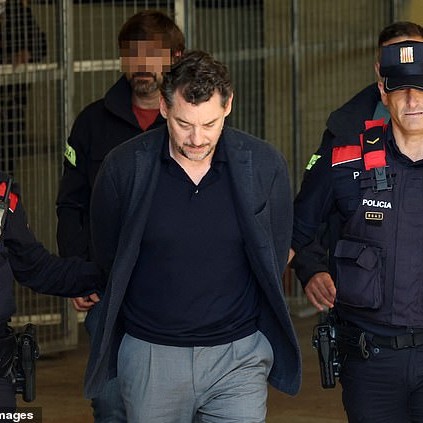
Prince Andrew’s relationship with Jeffrey Epstein has haunted the monarchy for years. Epstein died in a New York jail after being charged with sex trafficking. Andrew has always denied any criminal wrongdoing, but the images of the prince walking in Central Park with a convicted sex offender never truly faded from public memory.
According to Reuters, Andrew later reached a financial settlement in a civil case brought by Virginia Giuffre in the United States, avoiding a trial while making no admission of liability. The deal closed one legal chapter, but it did not restore his standing in the court of public opinion.
In the wake of that settlement, Andrew ceased royal duties and retreated from public life. BBC News reported that Queen Elizabeth II stripped her son of his honorary military roles and royal patronages, and he stopped using his His Royal Highness style in an official capacity. The move was presented as a way to protect the institution from further damage.
Yet the questions did not disappear. Each new disclosure tied to Epstein or his circle has pulled Andrew back into the headlines, pulling the Royal Family back with him. What once seemed like a single errant prince now looks, to many observers, like an ongoing risk to the entire brand of the monarchy.
Charles’s Image and Old Wounds
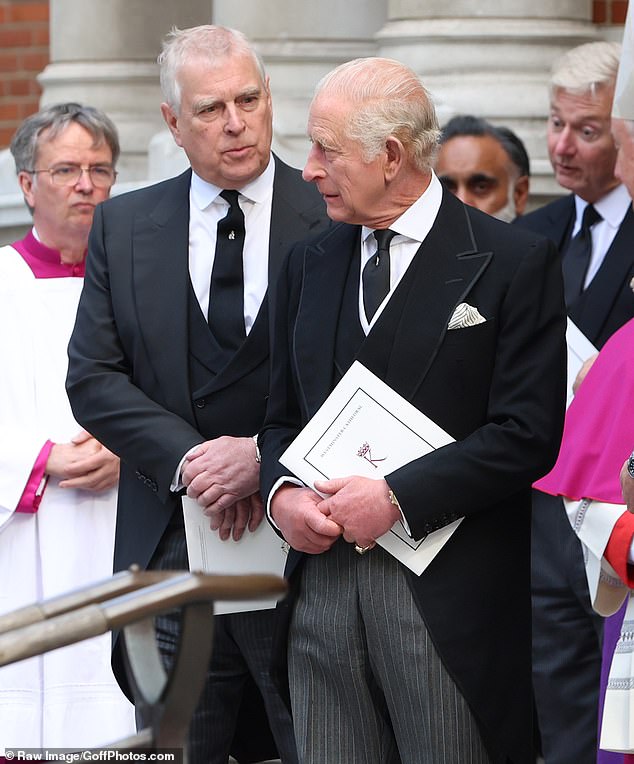
King Charles waited longer than any heir in British history to wear the crown. His reign was meant to be a late-in-life vindication, a chance to redefine a man once cast as the brooding figure in Diana’s fairy tale turned tragedy.
Those old narratives are resurfacing. In her 1995 BBC “Panorama” interview, Princess Diana suggested that her husband was not suited to what she called “the top job.” At the time, it was easy for royal loyalists to dismiss her as a wronged wife speaking through pain. Decades later, the line feels uncomfortably current as the monarchy navigates a crisis that demands decisiveness.
Critics point to a pattern. Charles is widely seen as thoughtful and dutiful, but also conflict-averse. When the Andrew scandal first exploded, it was the late Queen who ultimately made the hardest calls. As pressure built, the palace removed Andrew from official roles, but only after months of bruising headlines and a disastrous television interview that left the public stunned.
Now, in a searing new column that helped ignite this latest round of speculation, writer Maureen Callahan argues that Charles’s reluctance to act swiftly has put the entire institution at risk. Describing him as indecisive in the face of an existential threat, she relays one former aide’s verdict: “Charles is now a lame duck.”
William and Kate as the Center
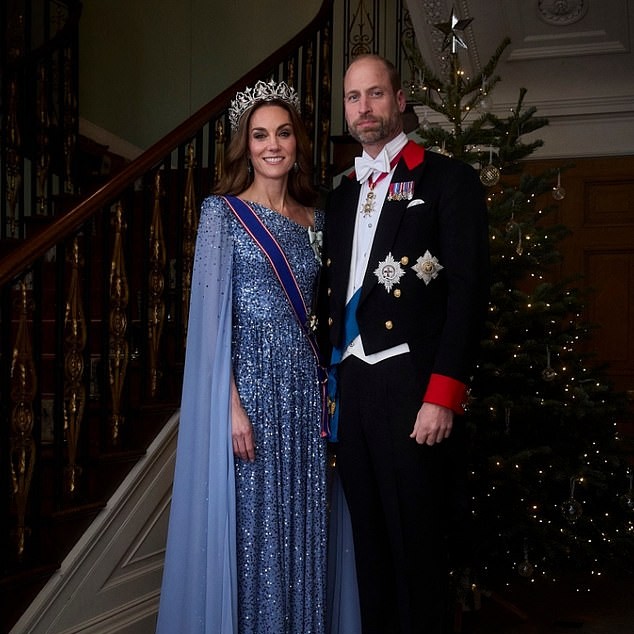
While Charles wrestles with the past and present, the future of the monarchy already looks like it belongs to William and Catherine. Polling by YouGov has consistently found the Prince and Princess of Wales among the most popular members of the Royal Family, often scoring in the 70 percent range in favorability, ahead of the King.
The couple’s appeal is not only about youth. William blends a visible sense of duty with a direct, sometimes steely style that contrasts sharply with his father’s caution. Royal insiders have long suggested that he has pushed hard behind the scenes to contain the Andrew fallout, arguing that anything less than total distance from his uncle would stain the next generation.
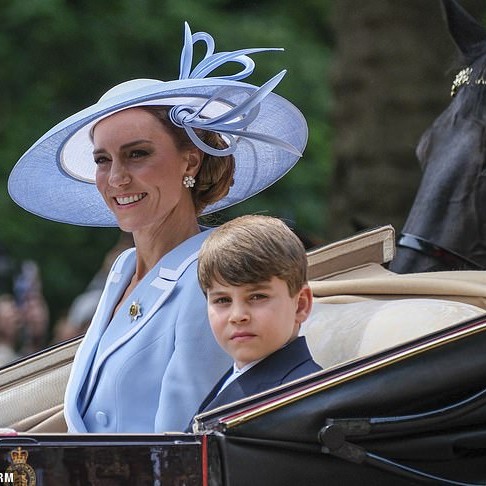
Catherine’s trajectory has been equally defining. From her early days as a royal girlfriend scrutinized for fashion and background, she has become an emblem of poise. Public appearances show a woman who meets the cameras with warmth but rarely lets emotion spill over into spectacle. Through health challenges, family tensions, and the relentless interest in her private life, she has projected a calm, modern version of royal duty.
Every major royal moment in recent years seems to settle visually and emotionally on William and Kate. State dinners, balcony appearances, Remembrance commemorations, even their rare behind-the-scenes videos have the unmistakable feel of a soft launch for a new reign.
Abdication as Brand Strategy
Abdication is still a word that sends a chill through British history. It conjures 1936 and a king who chose love over duty. Yet royal watchers now frame the question in far more pragmatic terms. In an era when the monarchy is often talked about as “The Firm,” with its own brand, stakeholders, and global reach, the idea of a strategic handover no longer feels unthinkable.
Callahan’s column makes that case in stark terms. She argues that if a major corporation were entangled, even indirectly, with someone like Epstein, no chief executive would survive the fallout. In her framing, Charles’s abdication would not be an escape but a sacrifice, a way of putting victims, public trust, and the survival of the institution ahead of his personal dream.
There is a cold logic beneath the sentiment. Moving aside would allow Charles to redefine his role as the elder statesman who chose the crown’s future over his present. It would also formalize what many viewers already feel they are seeing: William and Kate functioning as the emotional King and Queen, even without the titles.
What Abdication Could Really Look Like
If Charles ever chose that path, it would not be a dramatic balcony speech. It would almost certainly be framed as a health decision, carefully managed and heavily scripted. Courtiers would emphasize continuity, stressing that the King was stepping aside to ensure strength at the center, not abandoning his post under pressure.
The optics would be powerful. A new coronation for William, a new role for Catherine, a carefully orchestrated moment of unity with the wider family. The narrative could shift from scandal and hesitation to renewal, responsibility, and a generational handover that acknowledges how the country has changed.
There are risks. Abdication might be read by some as an admission of failure, or as proof that the monarchy is less a sacred constant than a flexible brand. But the longer Andrew’s shadow lingers, the more that brand is already under strain. In that light, a controlled transition could look less like capitulation and more like survival.
For now, the decision rests with one man who waited a lifetime to be King. His choice, whenever it comes, will not only define his legacy. It will shape how history remembers the moment when a centuries-old institution was forced to decide what mattered more: the man in the crown or the crown itself.
Join the Discussion
Do you think King Charles should prioritize his personal legacy or the long term stability of the monarchy if the Andrew scandal keeps pulling the crown into the spotlight?