

TLDR
OnlyFans billionaire Leonid Radvinsky died at 43 after a private cancer battle, leaving a vast family fortune, a philanthropic image, and years of disturbing allegations about how he made his money.
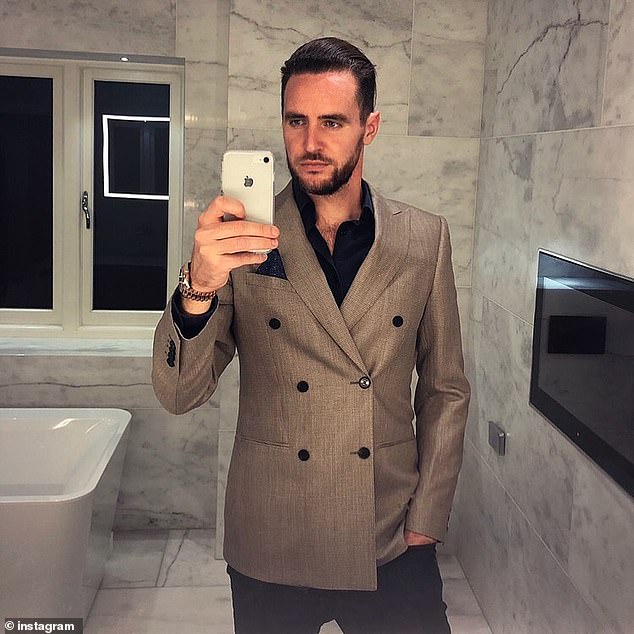
The face behind OnlyFans was barely a face at all. There are only a few public photos of Leonid Radvinsky, yet his platform reshaped modern intimacy, celebrity side hustles, and the way a generation talks about sex and money. Even in death, the man at the center of it all remains elusive.
OnlyFans’ parent company quietly disclosed that Radvinsky stepped down as director and placed his shares in trust, then announced he had “died peacefully after a long battle with cancer” at 43. A business associate told the New York Post that his death was kept quiet for several days so “there was no interruption to the business.”
The secrecy extended into his living room. Former staff say they never met him. A one-time employee told the Daily Mail, “He militantly did not want anyone to see him, know much about him, including how many kids he had.” When his wife, Katie Chudnovsky, mentioned his illness at a 2024 cancer research gala, video of the moment reportedly vanished from his foundation’s website.
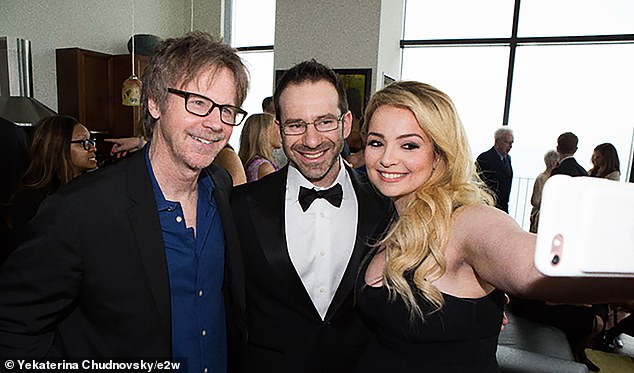
Behind that wall, there was a real family. Radvinsky and Chudnovsky share five children, ages 4 to 16, and live high above the Miami shoreline in a $19 million duplex in an exclusive oceanfront tower. Her father described a three-to-four-year cancer fight and called his son-in-law’s early death “not fair” before adding, “Life goes on.”

Publicly, Radvinsky preferred to be known as a “technology visionary” and angel investor, an avid reader and aspiring helicopter pilot who donated to cancer research, animal welfare, and sent $5 million to Ukraine relief efforts. On his website, he wrote, “I donate a huge amount of time, effort, and money to non-profit causes,” and said his goal was to one day join the Giving Pledge.
But almost none of those glossy biographies mentioned the engine of his fortune. In 2018, he bought OnlyFans from British founders Guy and Tim Stokely. The subscription platform lets creators sell photos and videos directly to fans while the company takes a 20 percent cut, a structure that reportedly earned him $701 million in a single year.
Celebrity attention gave OnlyFans a sheen that money alone could not buy. Beyonce and Megan Thee Stallion name-checked the site on their song “Savage.” Stars including Bella Thorne, Denise Richards, and Lily Allen opened adults-only pages. The Financial Times later ran a sympathetic profile of OnlyFans chief executive Keily Blair, declaring, “Under any definition of success, OnlyFans should be lauded … as a rare example of British entrepreneurs making a mark on the global tech industry.”
Investigative reporters painted a darker picture. Long before OnlyFans, Radvinsky built Cybertania, a network of sites that marketed access to illegal content involving minors and animals, even if the links ultimately redirected to conventional pornography. Forensic News said he was “catering to pedophiles to make a buck.” Forbes called it “a scummy business but … a profitable one,” reporting that a single passwords site was earning $1.8 million a year by 2002.
Later, his webcam empire MyFreeCams made him a multimillionaire and drew lawsuits from companies including Microsoft and Amazon over alleged spamming and impersonation. According to Forensic News, banks filed more than $1 billion in Suspicious Activity Reports tied to his businesses. No criminal charges were brought.
Even OnlyFans’ mainstream success has been shadowed by questions. Reuters reported that explicit content involving minors and a bestiality video appeared on the platform, and spoke to women who said traffickers forced them to post there. Critics argue that Radvinsky’s companies profited from a system that could empower adult performers while exposing the most vulnerable to exploitation.
For the five children in that Miami duplex, he was a father who chose privacy over notoriety. For many creators, he was the unseen billionaire who turned their bodies into incomes. For his critics, he was the architect of an empire that blurred the line between liberation and abuse. In death, Leonid Radvinsky leaves behind a fortune, a platform that has become a verb, and a legacy that philanthropy alone may never fully rewrite.
How will history remember Leonid Radvinsky: as a tech visionary, a quiet philanthropist, a controversial porn baron, or all three at once? Share your take on what his story means for the future of OnlyFans, celebrity side hustles, and the uneasy mix of empowerment and exploitation in online adult culture.