

TLDR
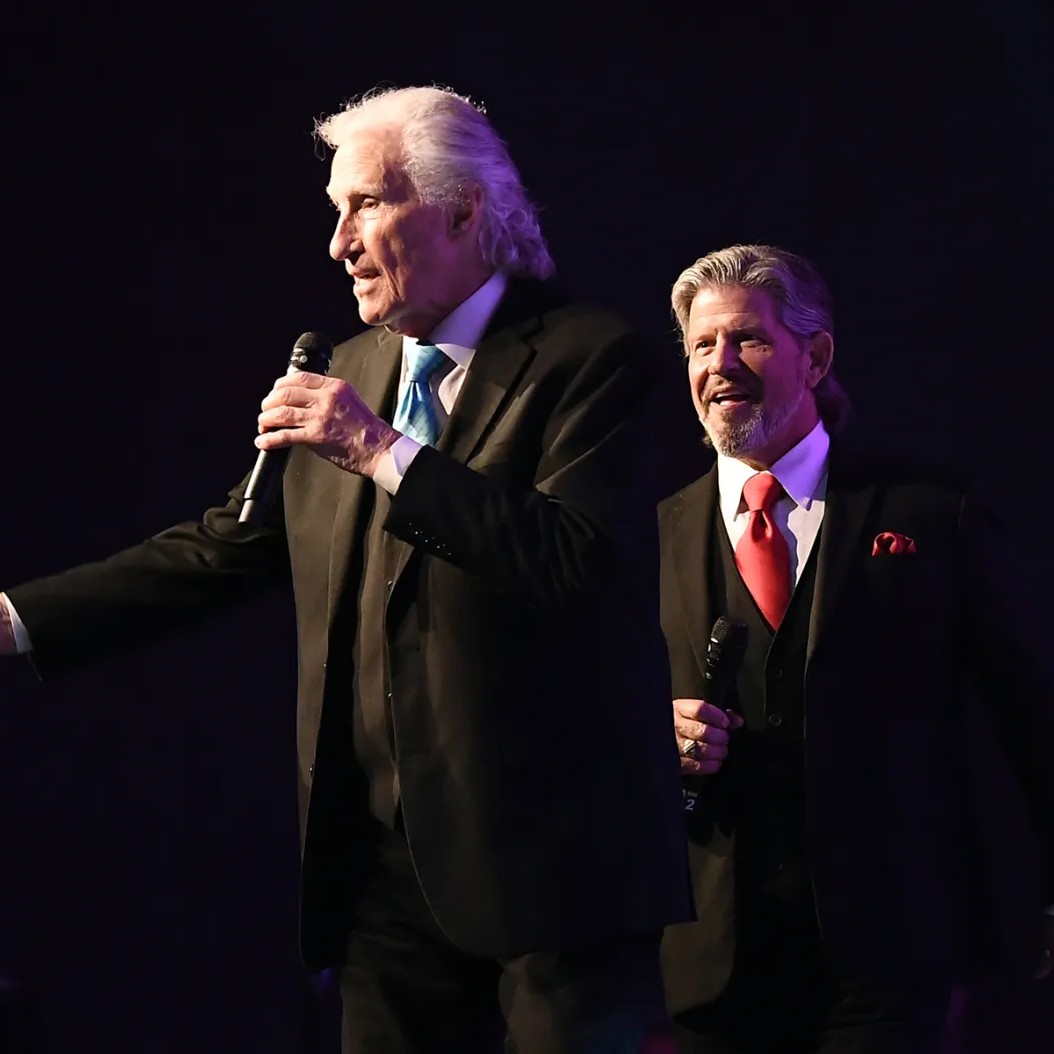
Bill Medley, the surviving Righteous Brother whose voice has scored three generations of love stories, is on what he calls the group’s final tour, even as he insists he never wants to stop singing.
For many fans, the name Bill Medley comes second. The voice comes first. It is the gravel-and-honey sound that floats out of car radios, wedding halls, and movie soundtracks, carrying memories from the 1960s to today.
Rolling Stone’s “Last Man Standing” series recently caught up with Medley during a rare break in a busy U.S. run that is being framed as the Righteous Brothers’ last major tour. The premise of the series is stark. One surviving member, a lifetime of history, and the responsibility of keeping a legendary brand alive, almost single-handedly.
Medley fits that role with a mixture of pride and survivor’s gravity. Many fans first met him in the 1960s as half of the Righteous Brothers, the booming lead on “You’ve Lost That Lovin’ Feelin'” who could turn teenage heartbreak into a cathedral hymn. By the 1970s, the duo had reintroduced themselves with “Rock and Roll Heaven,” a chart hit that doubled as a eulogy for their peers.
Then came the 1980s, and the Righteous Brothers were reborn yet again, this time through cinema. In the interview, Medley laughs that “Thank God for the end of the Eighties.” “They put ‘Lovin’ Feelin” in ‘Top Gun,’ I did that song for ‘Dirty Dancing,’ and they put ‘Unchained Melody’ in ‘Ghost.” That was a good-sized hit in the Sixties, but boy, that song, just because of the movie, had a whole different life.” Hollywood did not just license their catalog. It recast Medley as the voice of slow-dance destiny for a new generation.
The story darkened in 2003. Just months after the pair entered the Rock & Roll Hall of Fame, Medley’s partner Bobby Hatfield died of a cocaine-induced heart attack. The Righteous Brothers’ name went silent, and the question of whether anyone could stand in Hatfield’s place hung heavily over Medley’s future.
It took until 2016 for him to answer. Medley revived the act with singer Bucky Heard, a move that carried both risk and devotion. Every night, Heard walks into songs fans associate with Hatfield’s soaring tenor, while Medley shoulders the duty of making the show feel like tribute, not replacement. For Medley, protecting the Righteous Brothers brand now means sharing it.
Age has not cleared his calendar. When he logged onto Zoom with Rolling Stone, Medley had just stepped off the Flower Power Cruise, where the Righteous Brothers shared a bill with Micky Dolenz, the Lovin’ Spoonful, the Rascals, and Canned Heat. He is a few months shy of 86, swapping road stories with peers who are also turning their touring years into long goodbyes.
Medley admits he hopes never to retire. Yet attaching the phrase “final tour” to this run signals a shift from career to legacy. These shows are not only about selling tickets. They are about locking in how the Righteous Brothers will be remembered once there is no last man left standing to sing the opening note.
Some nights, that note is “Unchained Melody.” The voice is older, and Medley would be the first to say so. But when he leans into the mic and the room falls silent, the audience hears more than a hit. They hear the throughline of their own lives, carried by a man still determined to give the songs everything he has left.
Have you seen the Righteous Brothers in concert, whether in the 1960s or on this so-called final tour? Share your memories, your favorite soundtrack moments, and how Bill Medley’s voice has shown up in your own life story.