

TLDR
Riverdale star KJ Apa, calling out TikTok singer Mr. Fantasy for “stealing” his image, has pulled a classic music trick into a messy new era of alter egos and online fame.
This week, a small social video from a TV heartthrob did something few music think pieces can. It made the old game of rock personas feel volatile again. In a clip that ricocheted across TikTok and Instagram, “Riverdale” actor KJ Apa looked straight into the camera and declared, “Enough is enough,” accusing TikTok performer Mr. Fantasy of identity theft and claiming the singer had “completely and utterly stolen my image.”
Fans have spent months speculating that Mr. Fantasy is actually Apa in disguise, a stealth pivot into music under a different name. His denial flipped the script. Instead of a celebrity quietly slipping into an alter ego, the star publicly rejected the mask, treating it as a violation. One of pop culture’s oldest creative tools suddenly looked like a potential legal and PR headache.
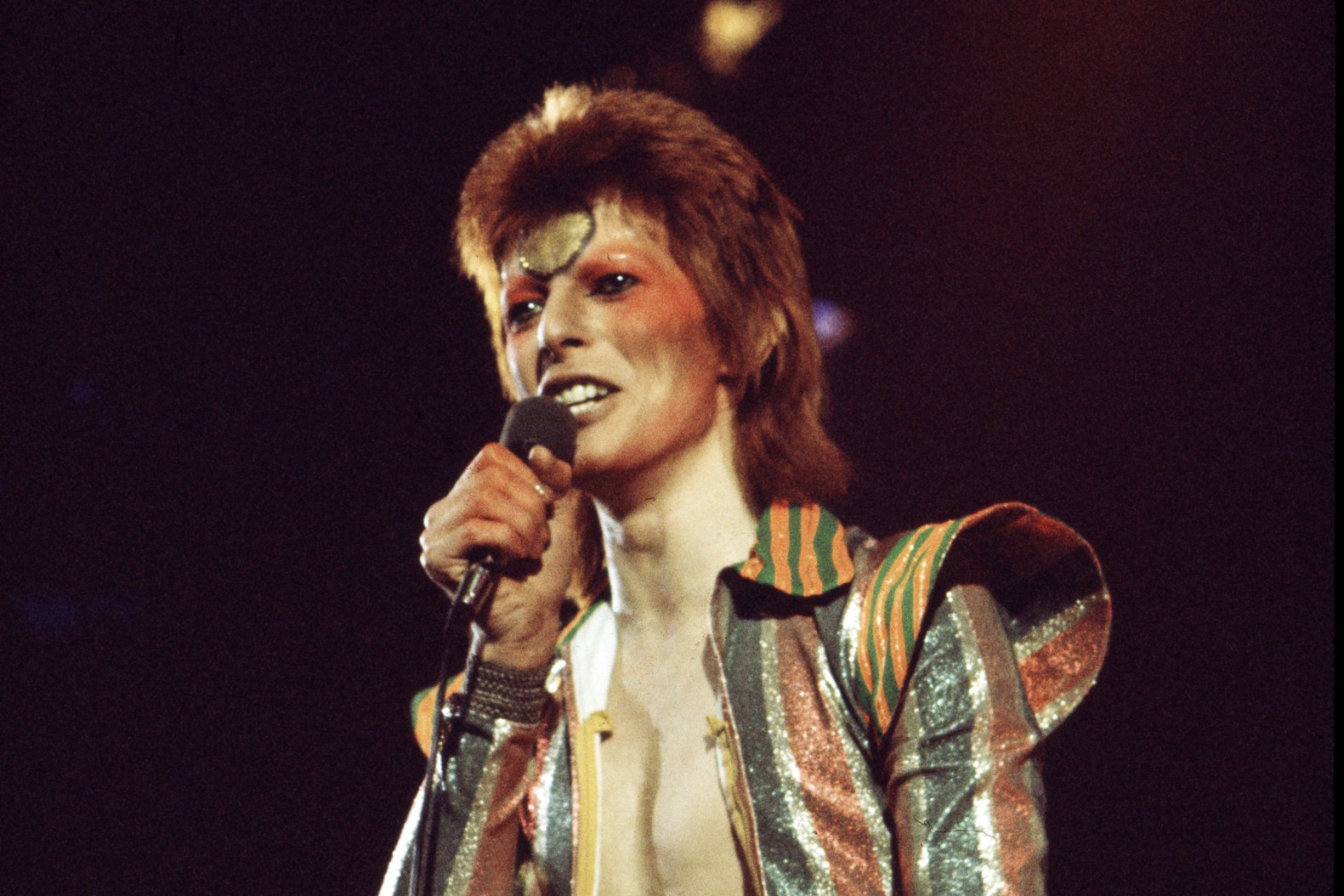
Yet the tug of war between self and persona is as old as modern rock. Rolling Stone just highlighted that history with a list of ten of the strangest alter egos in music, a roll call that runs from “Ziggy Stardust” to “Dr. Octagon” and “Camille.” The feature nods to the way artists have long gone incognito, sometimes to regain inspiration, sometimes because they are losing perspective and going too far. As the piece puts it, channeling Bowie’s most famous character, you can “play the wild mutation as a rock & roll star.”
For many Gen X fans, that story starts with “Ziggy Stardust,” David Bowie’s glam rock alien who landed in the early 1970s. Ziggy was more than glitter and a flame-red mullet. He let Bowie test-drive new gender cues, new theatricality, and a new relationship with fame. Devoted listeners did not just love the songs. They loved the permission Ziggy offered to be stranger, freer, more dramatic than real life allowed.
Alter egos kept mutating through the 1980s and 1990s. Prince recorded as “Camille,” pitching his voice higher until the sound felt almost androgynous, then giving that entity its own credit in the liner notes. Underground rap fans met Kool Keith as “Dr. Octagon,” a time-traveling surgeon from another dimension. These personas were buffers. They soaked up the risk of experiments that might have looked too outlandish, or too vulnerable, under the artist’s own name.
By the 2000s, alter egos were a familiar part of pop strategy. Beyonce framed “Sasha Fierce” as the fearless, sensual performer who appeared when the quiet Houston woman stepped onstage. Garth Brooks put on a soul patch and a moody stare as “Chris Gaines,” a rock star from an invented universe. Eminem sharpened his rage and dark humor through “Slim Shady.” Nicki Minaj spun a full cast of inner voices, from “Roman” to “Barbie,” each persona signaling a different temperature of performance.
Every one of those characters carried reputational stakes. When an alter ego hits, the artist looks daring, even visionary. When it misses, critics call it self-indulgent, or a sign the star is out of touch. Either way, the persona becomes part of the legacy. Fans still argue about whether Chris Gaines was a fascinating misfire or career kryptonite for Brooks. Bowie never truly outran Ziggy. He had to stage a farewell just to move on.
The Mr. Fantasy dispute shows how the game changes in a TikTok era, where an alter ego can be born in a bedroom, go viral overnight, and live or die by comment-section detective work. When fans suspect that a mystery singer is actually a famous actor, it can feel like a puzzle, a marketing ploy, or an invasion of privacy, depending on where you sit. Once accusations of stolen likeness enter the chat, the romance of disguise collides with questions about intellectual property and image rights.
For audiences who remember buying “The Rise and Fall of Ziggy Stardust and the Spiders from Mars” on vinyl, the tension is bittersweet. Alter egos once felt like secret doors into an artist’s imagination. Today, every mask is instantly interrogated, deconstructed, and monetized online. The thrill is still there in theory. It flickers in the moment when a performer steps into the frame, and you cannot quite tell who is speaking: the person on the passport, or the fantasy they created to survive our gaze.
Do you see alter egos as creative freedom, clever branding, or something in between? Which persona, from Ziggy to Sasha Fierce, still lives rent-free in your memory?