

TLDR
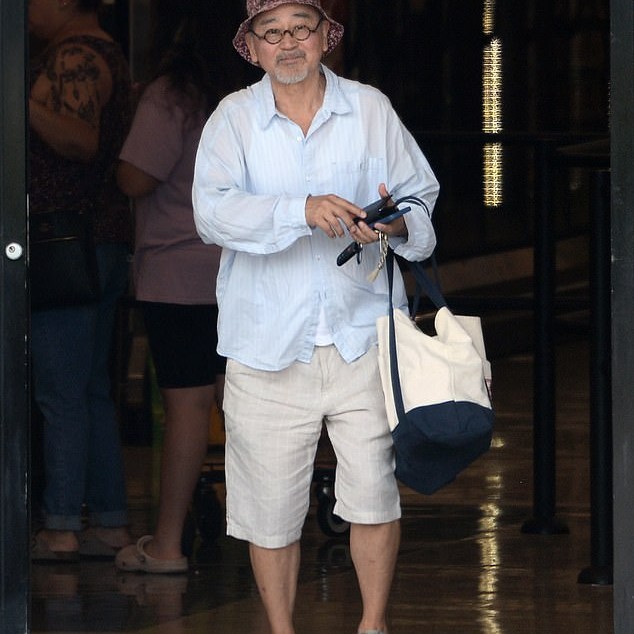
Gedde Watanabe, the face of one of the 1980s most controversial teen-movie characters and a later fan favorite on “ER,” has been spotted on a rare Los Angeles outing at 70, quietly carrying a legacy that is both beloved and debated.
A Role That Defined a Generation
Dressed in an Oxford shirt, cargo shorts, and a bucket hat, Watanabe looked relaxed and low-key during a casual shopping trip in Los Angeles. For anyone who remembers the hair gel, neon posters, and VHS copies of “Sixteen Candles” lined up on living room shelves, seeing him now feels like opening a time capsule, only to realize the contents mean something very different today.
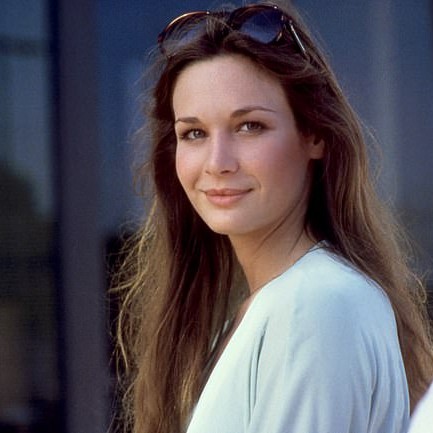
Watanabe exploded into mainstream consciousness in 1984 as Long Duk Dong in “Sixteen Candles,” the broad, bewildered foreign exchange student tucked into Molly Ringwald’s coming-of-age story. At the time, the character was played for laughs and quickly became one of the film’s most quoted touchstones.
Decades later, that same performance lives in a very different spotlight. Critics have described Long Duk Dong as a racist caricature built on the idea of the Asian man as a “nerdy and socially inept outsider.” From the running gong sound gag to the mangled English and the repeated use of “the Chinaman,” the character has become a case study in how 1980s Hollywood mined stereotypes for comedy.
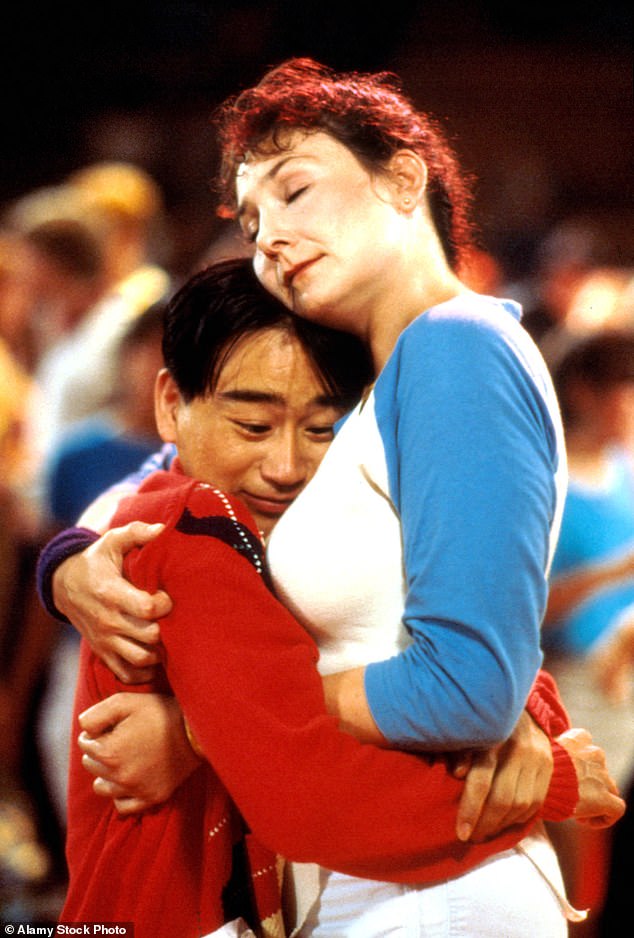
For many Asian American viewers, the joke felt far more personal than the script ever acknowledged. The character was unforgettable, yes, but also a reminder of how often Asian men were reduced to a punchline, a sidekick, or a curiosity rather than a full person with a story of his own.
Revisiting the Legacy
Yet Watanabe’s career did not end with Long Duk Dong. He kept working, shifting his image through persistence and range. He teamed with Michael Keaton in “Gung Ho,” turned up as the volatile game show host Kuni in “UHF,” and later reprised that energy on “The Weird Al Show.”
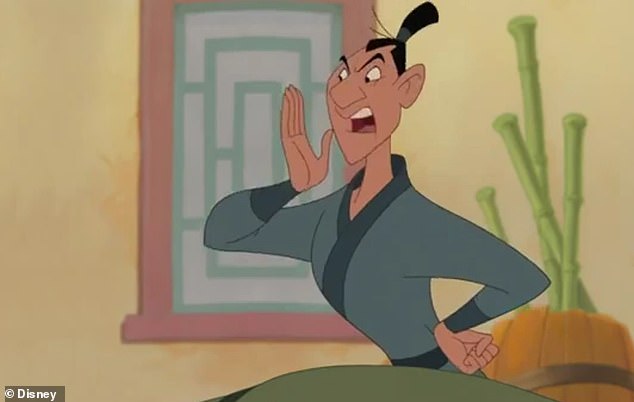
His voice became just as recognizable as his face. In 1998, Watanabe brought heart and humor to Ling in Disney’s animated epic “Mulan,” then returned to the role in “Mulan II” and the video game “Kingdom Hearts II.” He also popped up across generations of family viewing on “Sesame Street” and lent his voice to multiple Japanese characters on “The Simpsons.”
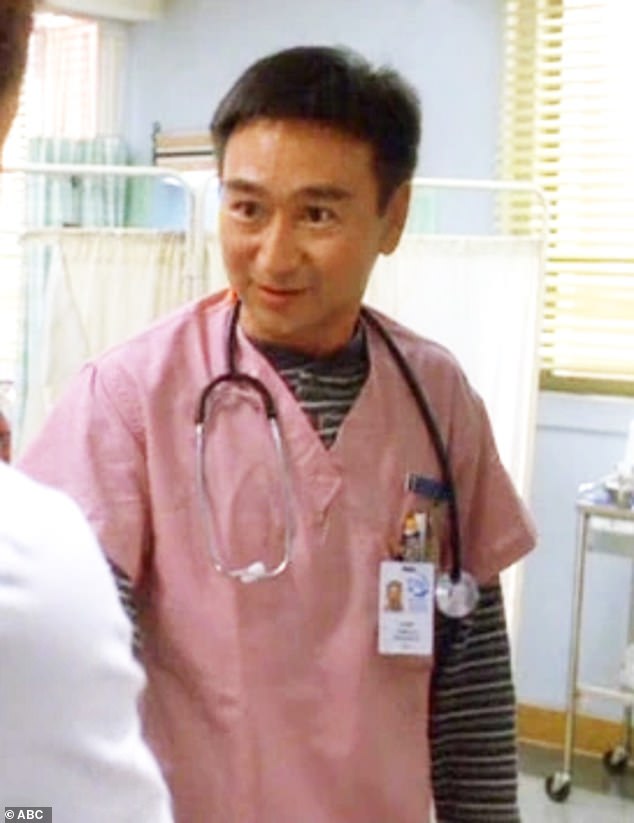
For many viewers, though, his true redemption arc arrived in a Chicago emergency room. From the late 1990s into the early 2000s, Watanabe appeared as gentle, quick-witted Nurse Yosh Takata on “ER.” The role was soft-spoken, competent, and quietly heroic, a world away from Long Duk Dong’s pratfalls.
That contrast is the tension that follows Watanabe every time his name resurfaces. On one side is the enduring nostalgia of an 80s teen classic, with all its quotable lines and sleepover memories. On the other hand is a character now reexamined in film classes, think pieces, and family living rooms as a symbol of what Hollywood once found acceptable.
Seeing Watanabe at 70, content on a simple shopping trip, underscores a career that has lasted far beyond a single stereotype. The man who once played the loudest joke in the room quietly built a body of work that stretched from cult comedies to Disney animation and network prestige drama, and that ongoing legacy now invites its own question about growth, forgiveness, and how a generation chooses to remember him.
Do you still revisit “Sixteen Candles” or has the Long Duk Dong legacy changed how you see it? Share how your view of Gedde Watanabe’s career has evolved over the years.