

TLDR
Newly revealed tapes, letters, and diaries in a centennial-era biography trace Marilyn Monroe’s lifelong pursuit of the father who refused to claim her, reframing everything from her love life to her screen persona.
For generations, Marilyn Monroe has been frozen in our collective memory as the shimmering blonde on a subway grate, a poster on a teenage wall, a cautionary tale about fame. The unheard voices gathered in a new biography suggest something more fragile at her core. They circle one story that never stopped hurting, even at the height of her power: the father who turned his back on her.
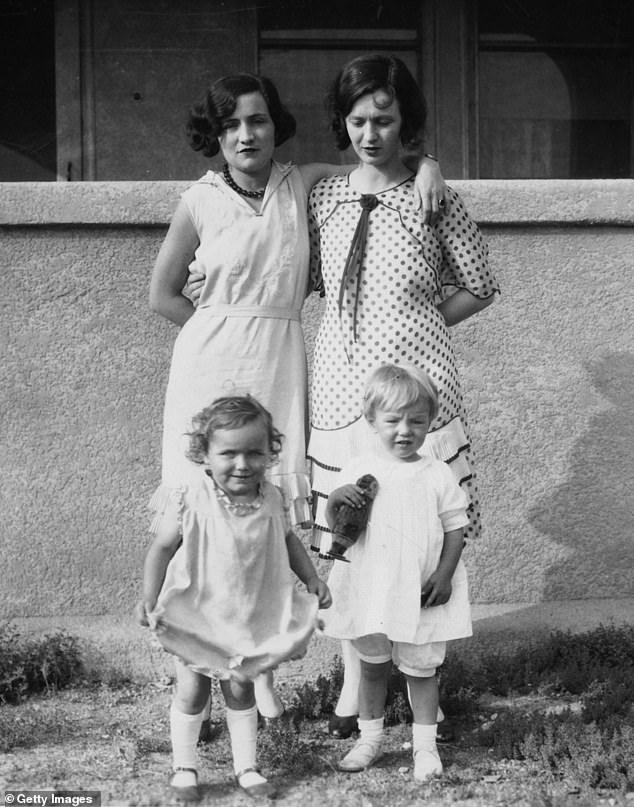
The book, drawn from hundreds of hours of archival interviews, unpublished letters, and private diaries, was timed to her 100th birthday. Biographer Andrew Wilson immersed himself in material that had sat in boxes for decades, capturing friends, colleagues, and early handlers as they remembered the girl who desperately wanted to be wanted.
Harry Lipton, the agent who first tried to steer Norma Jeane Baker toward stardom, remembers a young woman who believed fame could fix the emptiness. “She wanted to be wanted. That was the main thing,” he said. “And I guess she felt that if she were a movie star, she’d be loved.”
Poet Norman Rosten, one of the few who saw Monroe away from the cameras, heard the same echo. He said she “needed that proof of being adored; it denied the inner dread of being unwanted, the trauma of the illegitimate and motherless child.”
At the center of that dread, the tapes and testimony suggest, was a man Marilyn barely knew but could never stop chasing. DNA testing in 2022 finally confirmed what she long suspected. The devilishly handsome, hard-drinking Charles Stanley Gifford was indeed her biological father, a revelation reported by outlets including People after scientists compared a strand of her hair with samples from Gifford’s descendants.
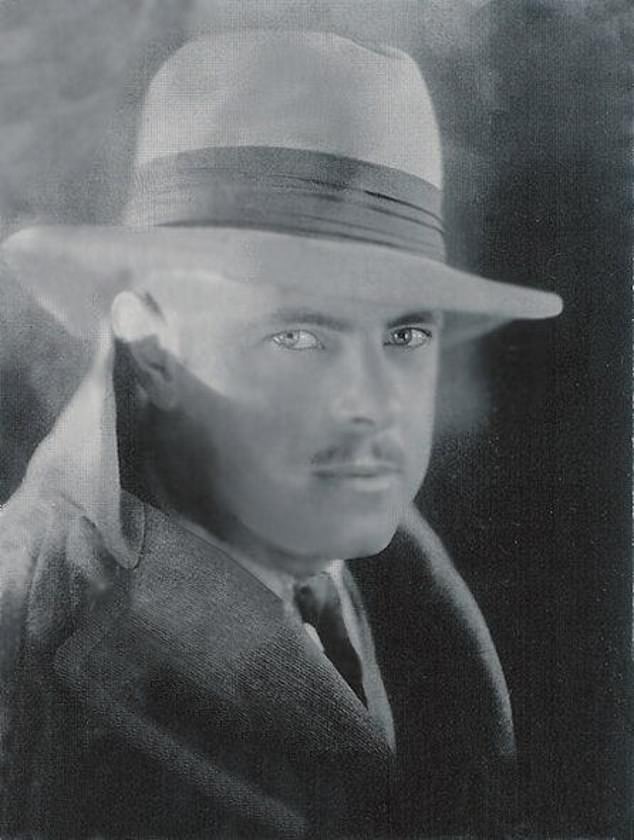
By then, of course, both father and daughter were gone. In life, Gifford had refused every invitation to know her. Monroe’s first husband, Jim Dougherty, recalled the day Norma Jeane dialed the California number she believed was Gifford’s. As soon as she told the man on the line who she was, he hung up.
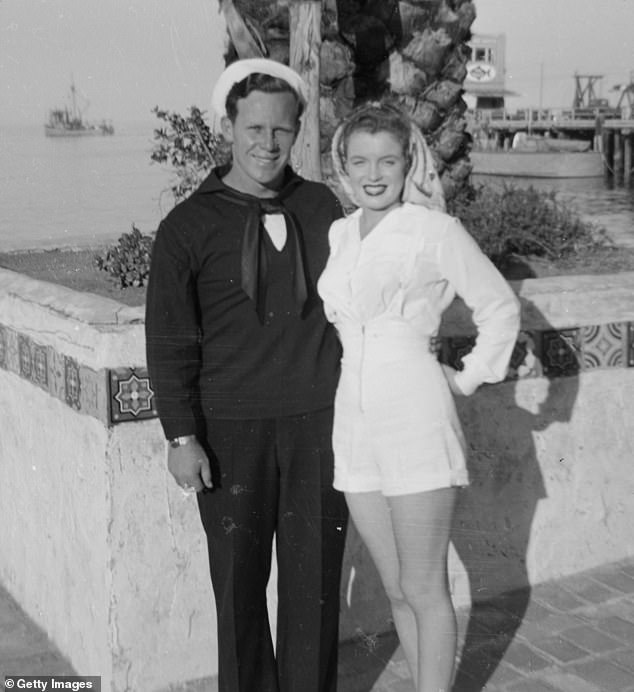
Years later, with her career rising, she tried again. She drove to Hemet, near Palm Springs, to find him on the dairy farm he had bought. When she finally stood in front of the man whose last name she had never been allowed to carry, he brushed her aside. As one account recalls, Gifford told her, “Listen, Marilyn, I’m married, I have children. I don’t want you to start trouble for me now, as your mother did years ago.”
She left a phone number in Los Angeles. According to acting coach Natasha Lytess, who worked with Monroe through the late 1940s and early 1950s, that call never came. The rejection turned into a private script she kept reading in her public life.
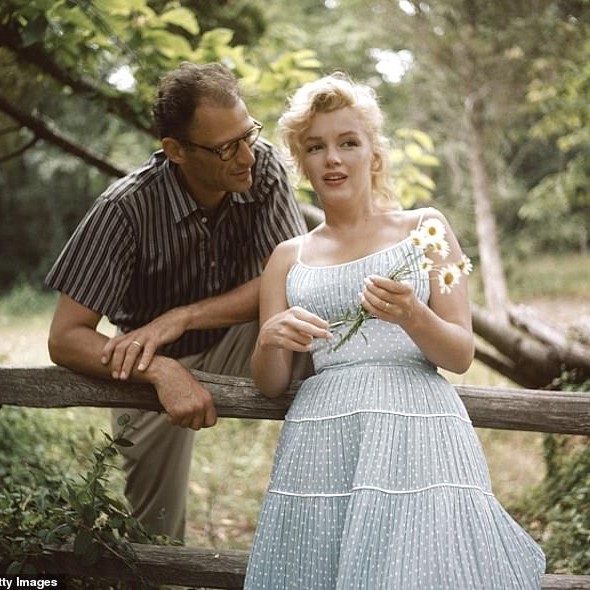
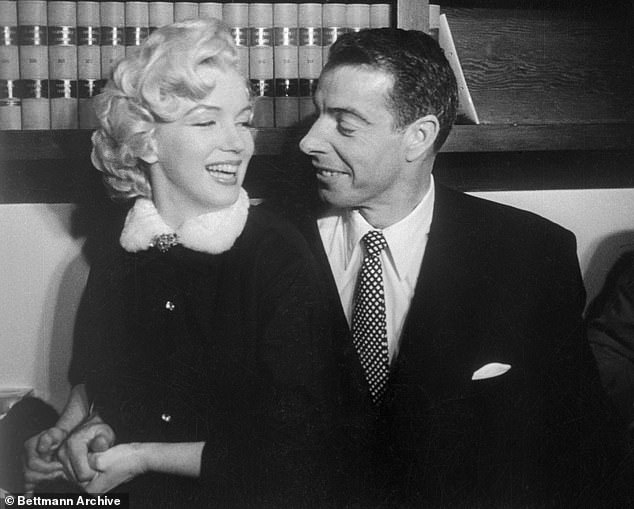
The book suggests that Monroe gravitated to powerful men who felt like substitutes for the father who would not claim her. She married baseball icon Joe DiMaggio, then celebrated playwright Arthur Miller. Both unions fused romance with reverence. In the eyes of those around her, she seemed to be seeking not only partners, but protectors, men whose approval might quiet the old humiliation at the dairy farm fence.
Yet, the archival voices stress, the need to be loved was not confined to her relationships with men. Monroe forged intense, sometimes consuming bonds with women, including Lytess and other confidantes whose loyalty she clung to when Hollywood grew cold. The new material explores those attachments without easy labels, suggesting that for Marilyn, the boundary between friendship, mentorship, and romance could blur under the weight of her loneliness.
Seen through this lens, the roles that made her immortal look different. Lorelei Lee in “Gentlemen Prefer Blondes” and Sugar Kane in “Some Like It Hot” read less like cartoons and more like winking self-portraits. The studio sold her as an indestructible fantasy. The tapes remind us she was a woman who never stopped wondering why the one man who should have loved her first could turn away so easily.
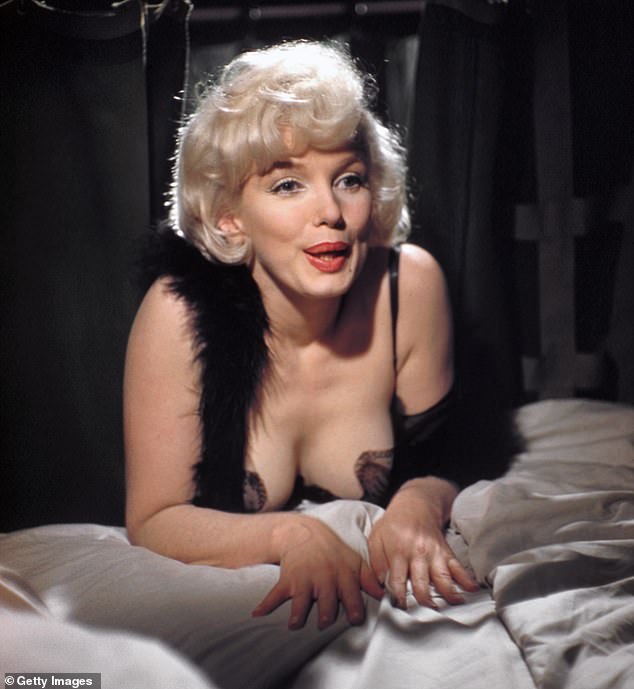
As her centennial-era story continues to unfold, the unheard Marilyn on these recordings feels closer, not further away. Stripped of the studio gloss, she is no longer simply the bombshell in a white dress. She is the daughter on a long drive to Hemet, rehearsing what she will say, still believing that if she can just get him to look at her, everything might finally change.
Do these long-buried memories change how you see Marilyn Monroe’s marriages, friendships, and on-screen sparkle, or do they simply deepen the mystery that has followed her for decades?