

TLDR
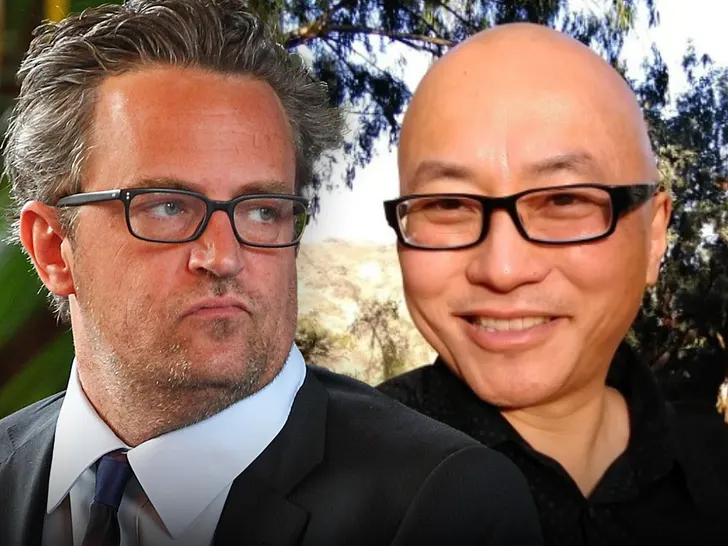
Federal prosecutors say Matthew Perry’s former live-in assistant, Kenneth Iwamasa, did not just enable the actor’s ketamine use but also tried to erase the evidence trail after Perry died.
In life, Matthew Perry turned his struggles into punchlines and then into purpose. In death, the people who moved quietly through his house and calendar are now under the harshest light, with prosecutors painting a stark picture of trust broken inside the walls where he was supposed to be safest.
In a new sentencing memo, obtained by TMZ, federal prosecutors allege that former assistant Kenneth Iwamasa went into what they call damage control right after the “Friends” star was found unresponsive. According to the filing, he did not just clean a crime scene. He allegedly tried to dismantle it.
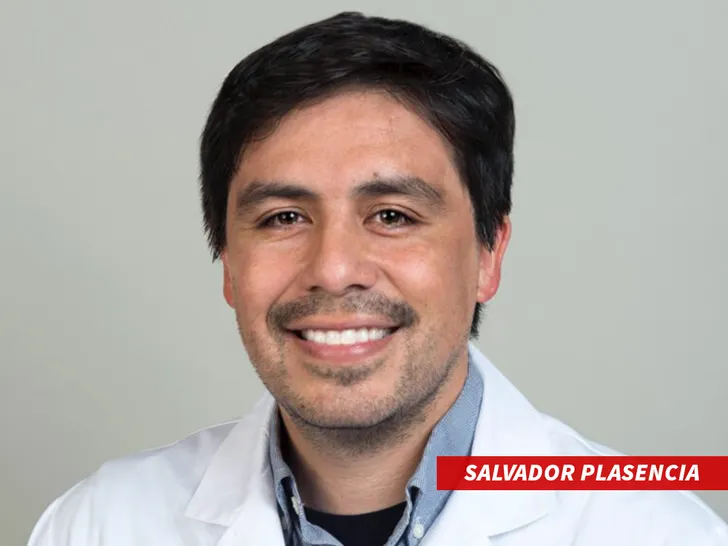
Prosecutors say Iwamasa directed another person, identified in the documents as “B.M.”, to get rid of ketamine vials and syringes after Perry’s death. They claim he also ordered the shredding of a ketamine prescription and a handwritten note that, they say, identified Dr. Salvador Plasencia as a ketamine source.
The memo goes further, accusing Iwamasa of lying repeatedly to investigators. The feds say he initially failed to disclose that he had injected Perry with multiple ketamine shots on the day the actor died, then later tried to suggest that Perry had hidden ketamine bottles on his own.
According to prosecutors, Iwamasa eventually acknowledged some of the cleanup in a phone call with alleged middleman Erik Fleming. In that call, they say, he admitted he “cleaned up the scene,” removed bottles and syringes, “deleted everything,” and even changed passwords on Perry’s devices.
The stakes are no longer about what happened in those final hours. Iwamasa already pleaded guilty in 2024 to one count of conspiracy to distribute ketamine resulting in death, cutting a plea deal with federal prosecutors. The new allegations sharpen the question of motive and loyalty at his upcoming sentencing, where the government is asking for 41 months in prison.
Iwamasa has argued that he was an assistant following instructions, a man tasked with managing the chaos that addiction and fame brought to Perry’s doorstep. Prosecutors reject that framing. In their memo, they say he “abused the trust placed in him by both Perry and the actor’s family,” who believed he would help protect the sitcom icon as he fought for sobriety.
Perry had spent years speaking openly about addiction, relapse, and recovery, including in his memoir “Friends, Lovers and the Big Terrible Thing.” When he died at 54, the Los Angeles County Medical Examiner ruled that the acute effects of ketamine were the primary cause, with drowning and other factors contributing. The revelations about where that ketamine came from, and who controlled his access to it, now threaten to reshape the story of his final chapter.
For fans who still see him frozen in the glow of 1990s studio lights, the legal filings are a painful reminder that behind the sitcom timing was a man whose inner circle held real power over his health, his secrets, and his legacy. As a judge prepares to decide Iwamasa’s fate, the larger question lingers over Perry’s memory. In the end, who was protecting him, and who was protecting themselves?
How do these new claims affect the way you see Matthew Perry’s final chapter and the people he trusted most? Share your thoughts and stories from watching his rise, his public battle with addiction, and the legacy you hope will endure.