

TLDR
A glassy new Miami condo promising “mansions in the sky” is rising on the site of the Champlain Towers South collapse, but more than a year after launch, not one home has sold.
On paper, The Delmore looks like the ultimate billionaire hideaway. Twelve stories of oceanfront glass in Surfside, just north of Miami Beach, with only 37 sprawling residences, private elevators, and a sky pool more than 100 feet above the sand. Interiors come courtesy of Zaha Hadid Architects, and price tags start at $15 million. Typical units range from $35 million to $40 million. Penthouses are expected to soar past $150 million.
Yet behind the glossy renderings, sales have flatlined. More than a year after its soft launch, the Dubai-based developer Damac Properties has not secured a single signed contract at the former Champlain Towers South site, where 98 people died in a catastrophic collapse.
Damac paid $120 million for the 1.8-acre parcel through a court-ordered auction, with proceeds routed to former owners and victims’ families. The plan was clear. Turn one of America’s most haunting real estate stories into one of its priciest addresses.
The market has not cooperated. Damac executives insist interest is real, but admit multiple deals have unraveled. Senior vice president of development Jeffrey Rossely told industry outlet The Real Deal that the January 2025 rollout was “premature” and that the team had expected stronger demand from the global elite.
One prospective package that would have bundled more than $200 million in units reportedly fell apart over what Rossely described as “question marks over the source of the funding.” Damac is now quietly exploring a joint venture with another developer, with Rossely saying, “A number of parties have approached us, and we are having discussions,” while insisting the company is not walking away from a project slated to finish in 2028.
But glossy amenities cannot erase the ground beneath. For many families, Surfside is not an address. It is a grave site. Some local developers and brokerages are steering clear, wary of both the emotional weight and the optics of selling cocktail-ready terraces on the footprint of a national tragedy.
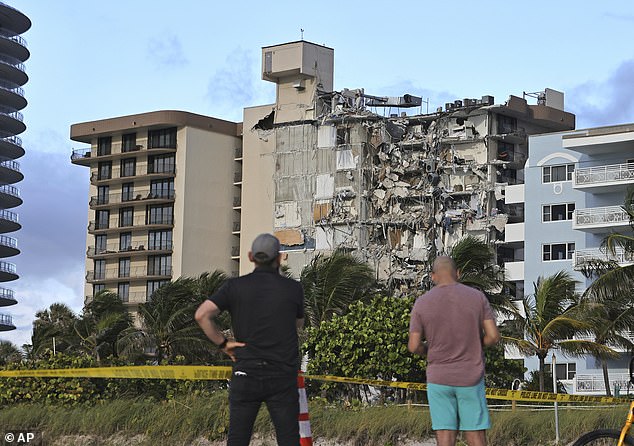
Martin Langesfeld, who lost his sister and brother-in-law in the collapse, has become one of the clearest voices of resistance. He has criticized the decision to rebuild luxury housing before federal investigators release a final explanation of what went wrong.

He told reporters, “Every year it is delayed, they get additional funds, if I am not mistaken. Yet with an open investigation, they allowed a new development to break ground without knowing the cause or whether the land is safe for development.” Langesfeld also alleged, “NIST does not allow privately funded investigators to conduct their own investigations. The town of Surfside hired a private investigator and spent millions, but NIST did not allow him to touch anything.”
The National Institute of Standards and Technology has suggested a pool deck may have “punched through” beneath the structure, triggering a deadly chain reaction. A final report is not expected until late 2026, a timeline that has only deepened frustration among families watching a new glass palace rise in the meantime.
The broader Miami condo market is also wobbling under the weight of Surfside’s legacy. Attorney and real estate observer Devin Green has pointed to stricter safety laws, soaring insurance premiums, and owners rushing to offload aging units. He summarized it bluntly, “The current state of the condo market in Miami, it has completely crashed,” estimating that some properties have lost up to 20 percent of their value in two years.
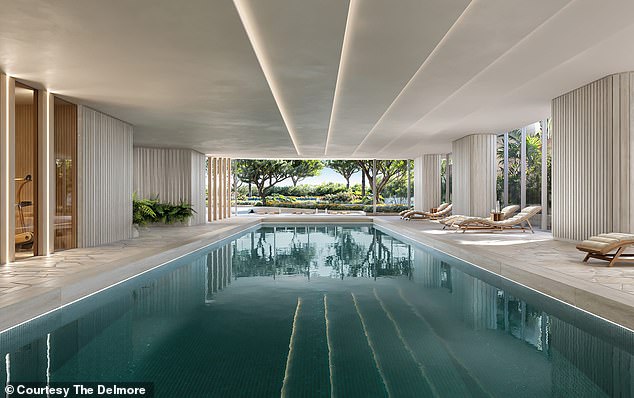
For Damac, The Delmore is a statement entry into the US luxury market. For ultra-wealthy buyers, it poses a more intimate question. Is the allure of a sky pool and a Zaha Hadid lobby enough to outweigh the story written into the sand beneath their feet?
Would you live in a luxury tower built on the site of a national tragedy, or should that ground stay a memorial forever? Share where you draw the line between remembrance, redevelopment, and the realities of a changing coastline.