


TLDR
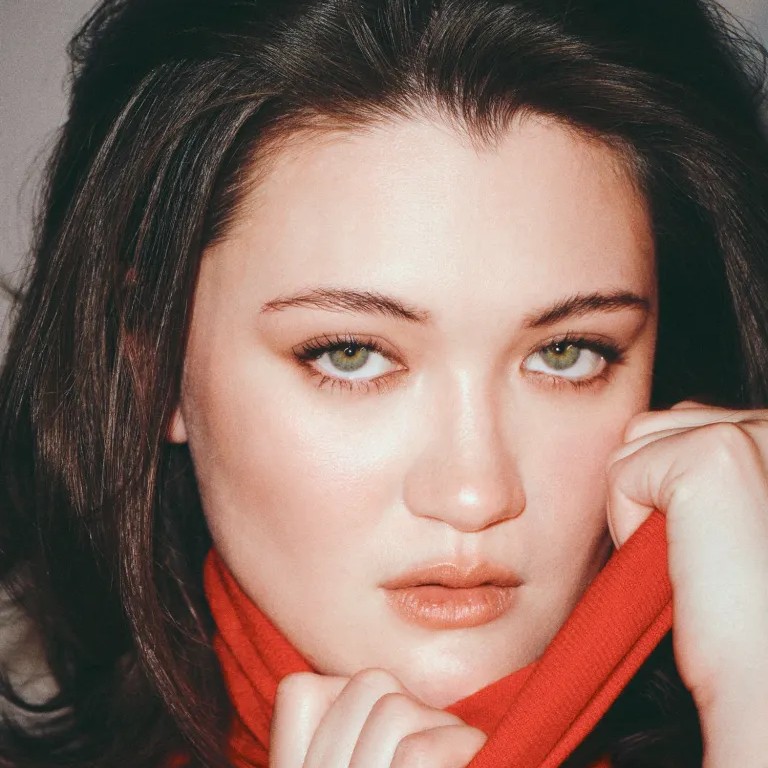
Isa Briones is stealing scenes on HBO’s “The Pitt” while singing on Broadway, all as she wrestles with fans who confuse her with Dr. Trinity Santos.
When Isa Briones picks up the phone from a Midtown apartment, she sounds less like a cutting TV doctor and more like what she actually is: an overworked performer fighting off a cold. She is racing between an HBO hit, “The Pitt,” and the Broadway musical “Just in Time.” The schedule, she admits, is not far from a real-life ER rotation.
“I’m definitely feeling it right now,” she says. “I woke up this morning and was like, I think I’m getting sick. So the panic is not awesome. But I still love it.”
On stage, Briones slips into the world of jukebox nostalgia. “Just in Time” traces the life of Bobby Darin, and she plays Connie Francis, the “Pretty Little Baby” hitmaker who ruled 1950s radio and briefly dated Darin before his breakthrough. It is a role steeped in old-Hollywood glamour, satin-voiced torch songs, and the kind of midcentury stardom that still lingers in memory.
On “The Pitt,” she is something else entirely. As Dr. Trinity Santos in Season One, she strides into the fictional hospital and immediately creates friction. On her first day, she accuses beloved veteran Dr. Frank Langdon of stealing drugs. She is guarded, quick with razor-edged nicknames for colleagues, and rarely misses a chance for a snarky aside. The writers clearly made Santos unlikable from the start.
The unintended consequence is that some viewers have blurred the line between character and actor. Briones says strangers now shout “Santos!” at her on the street. The joke about celebrities in hats and sunglasses has stopped feeling so distant. “When it started becoming big, I was like, I think I’m that person with the hat and the sunglasses,” she explains. “Now I kind of get it. It’s so annoying. But I’m figuring it out.”
Part of figuring it out has meant reevaluating how she uses her phone. Fame arrived hand in hand with a louder, sometimes harsher chorus of opinions. She describes her online life as an out-of-body experience and says she is actively trying to shift her social media habits. In one exchange about what nickname Santos might give her, she catches herself going for the cruelest possible joke, then laughs and admits, “This is why I need to get off social media.”
There are lighter fantasies, too. Several relatives of “Pitt” cast members have popped up in cameos, and Briones would love to see that continue. Asked if any of her own family might scrub in on Season Three, she answers without missing a beat, “I love for my dad to be employed. That would be awesome.”
In the Rolling Stone conversation, Briones also addresses the darker edges of fandom around “The Pitt.” Criticism of Santos can spill into misogynistic territory, especially in online spaces, and she has spoken about how therapy, both in the show’s storyline and in her own life, helps her process that attention. It is the tension of playing a complicated woman on television in an era when audiences can respond in real time and with little filter.
For now, Briones keeps walking the fine line between Trinity and Isa, between Broadway nostalgia and prestige-TV intensity. She will keep letting Santos be difficult on-screen, even as she protects her own peace off-camera. The fans may still shout “Santos” from across the street. The work, and the woman doing it, are quietly more layered than that.
Do you separate Isa Briones from Dr. Trinity Santos, or does the character color how you see the actor? Share your take on “The Pitt” fandom and where you draw the line.