

TLDR
Keith Richards walked through electrocution scares, heroin speedballs, arrests, and a shattering breakup before finding a quieter, still-smoking kind of survival with wife Patti Hansen.
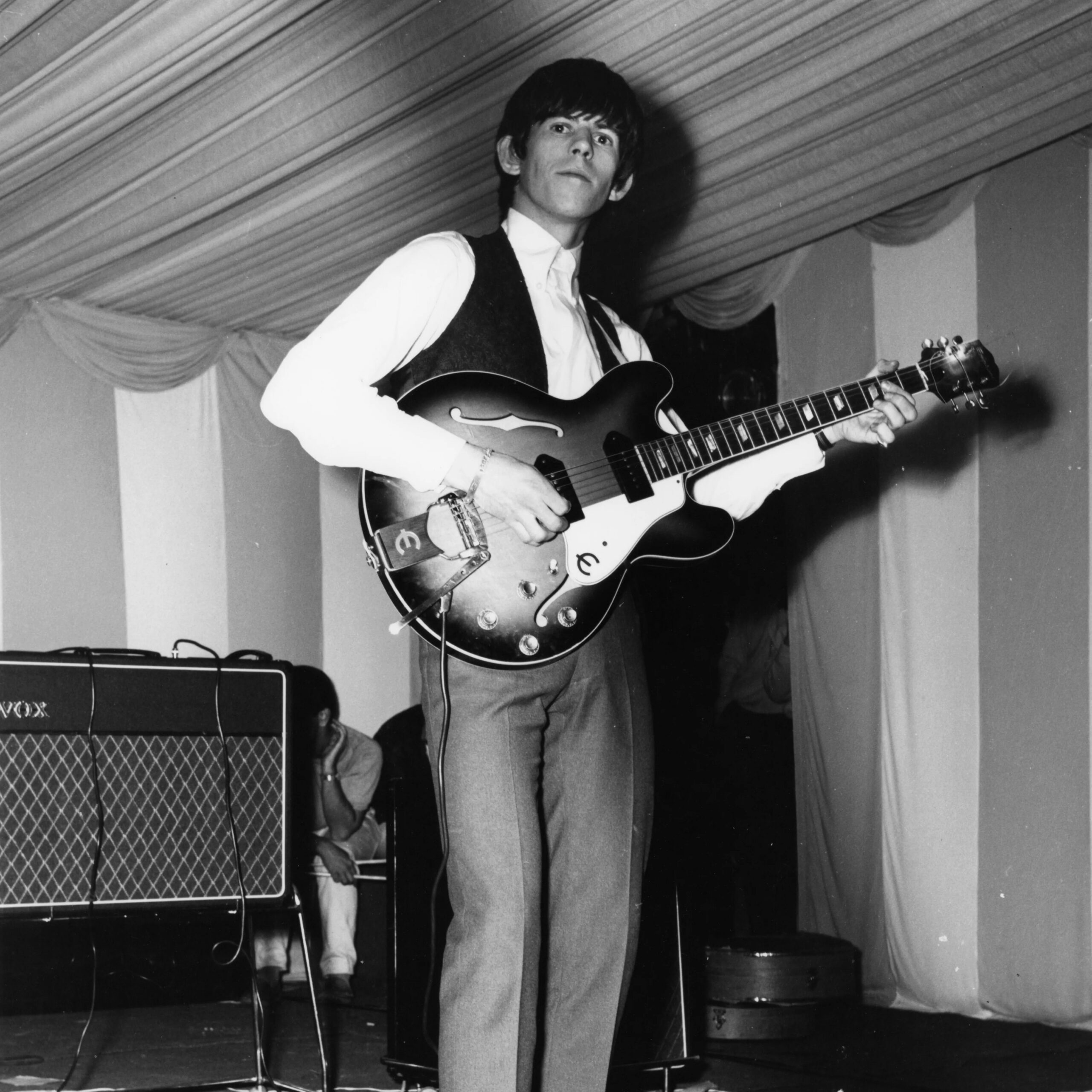
The image of Keith Richards as rock’s indestructible survivor did not come from nowhere. Long before memes and T-shirts, there was a teenage crowd in Sacramento in December 1965, watching the Rolling Stones when the guitarist suddenly went rigid and collapsed.
According to biographer Bob Spitz in “The Rolling Stones: The Biography”, the ungrounded microphone sent a fierce electric surge through Richards when his guitar strings met the stand. A photographer later recalled that the musician was “unconscious for a long time.” Leslie Harvey of Stone the Crows would later die in a nearly identical accident. Richards, Spitz writes, may have been saved by something as mundane as “thick, rubber-soled shoes.”
In his case, survival did not lead to caution. Within a few years, he had fallen into a volatile, glamorous, and devastating partnership with model and actress Anita Pallenberg, who had previously been involved with bandmate Brian Jones. They shared three children and an almost industrial supply of drugs, against the backdrop of international tours and paparazzi flashes.
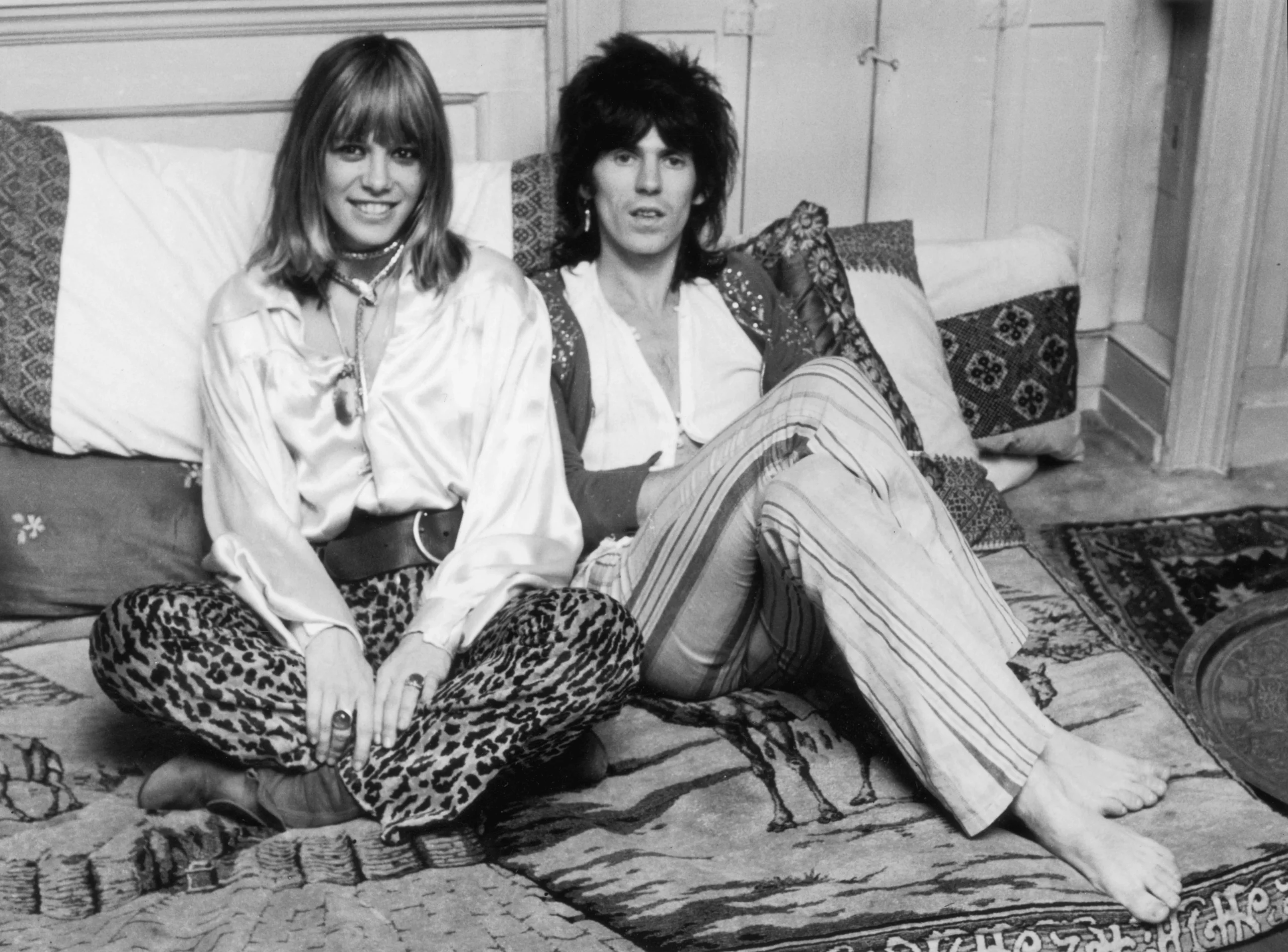
Heroin entered the picture through speedballs, a mix of heroin and cocaine. Spitz reports that Richards believed “heroin made everything possible” and called it “the great leveler,” convinced that once it was in his system, any chaos could be faced. By the early 1970s, that belief was tugging at the very structure of the Rolling Stones. His moods were erratic, his reliability unpredictable. Bassist Bill Wyman was so frustrated that he essentially stopped speaking to him offstage, seeing the guitarist as dependable only under the lights.
Attempts to get clean were as extreme as the habits. Richards underwent a controversial sleep-based detox with fellow user Gram Parsons. Within a week, both men were using again. Parsons died of an overdose in 1973 at 26, another casualty orbiting Richards’ increasingly perilous world.
The 1976 tour underlined how far things had gone. The Stones’ tour manager remembered Richards being “in really bad shape,” sometimes nodding off mid-show in Germany, and said, “We had to prop him up everywhere, and that made for nights when the Stones sounded dreadful.” Offstage, he became bolder about his dependency, reportedly snorting cocaine in public spaces.
On a drive back from a concert in the UK, he allegedly fell asleep at the wheel of his Bentley with his young son and friends inside. Nobody was badly hurt. Police found LSD in the car, and Richards added another arrest to a record that would include five drug-related busts between 1967 and 1978, yet only one night behind bars.
By 1977, he and Pallenberg were in upstate New York, trying again for stability. Instead, the scene around “Papa” John Phillips, who was recording an album and described in Spitz’s book as deeply mired in drugs, pulled Richards back in. Phillips and his friend Robert F. Kennedy Jr. are cited as helping rekindle the guitarist’s appetite for heroin and cocaine.
Inside the family home, the darkness deepened. Pallenberg, still using, had taken a 17-year-old lover, Scott Cantrell. He died by suicide in their house while playing Russian roulette. The tragedy marked the end of the relationship. Richards and Pallenberg separated in 1979. She would later die in 2017 at 75, her legend intertwined forever with the Stones’ most decadent era.
Not long after the split, Richards met model Patti Hansen, a Staten Island native with a working-class background and a very different kind of energy. Friends say he fell quickly and completely. They married four years later and raised two daughters, while the household tone shifted from bohemian chaos to something closer to domestic rock royalty.
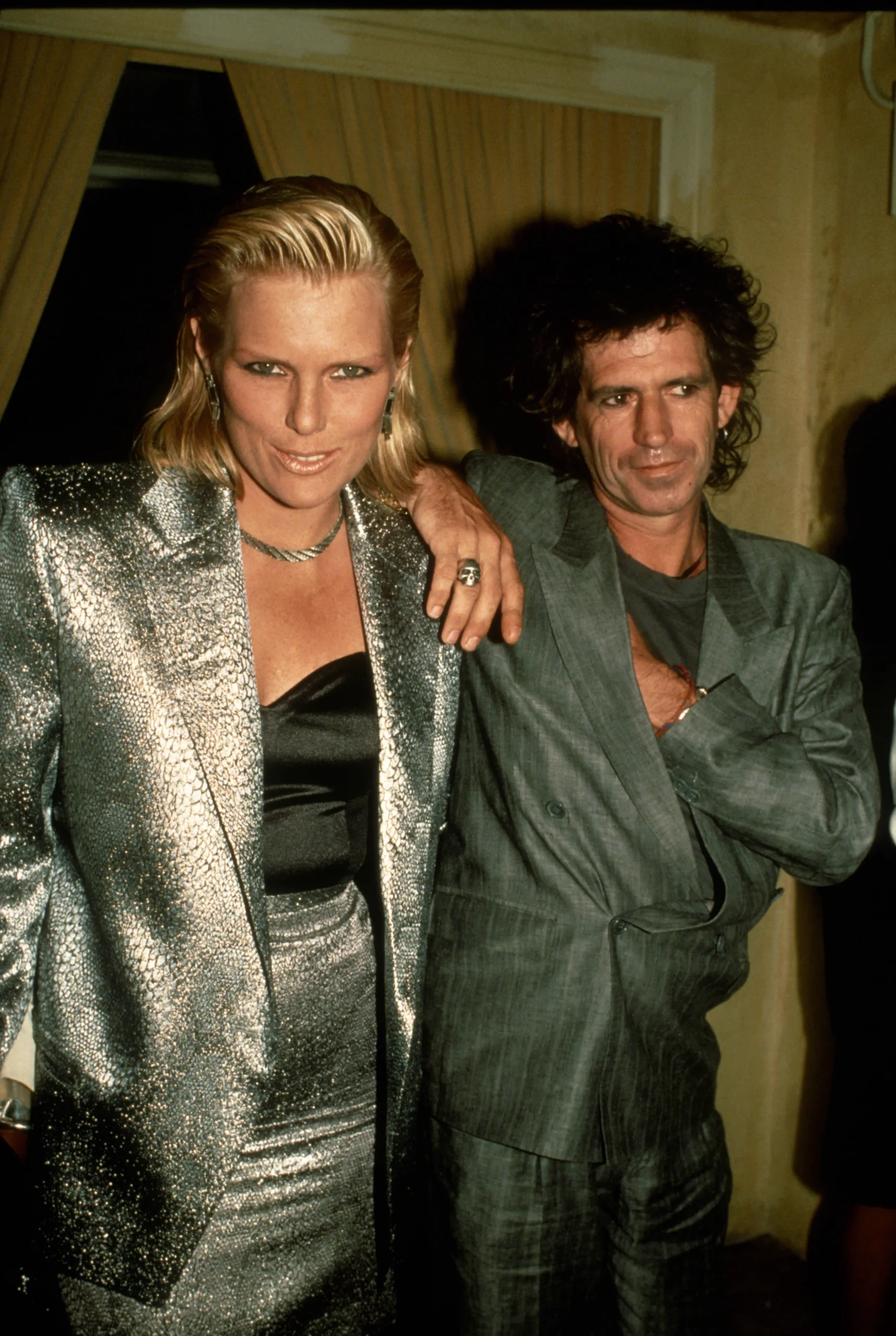
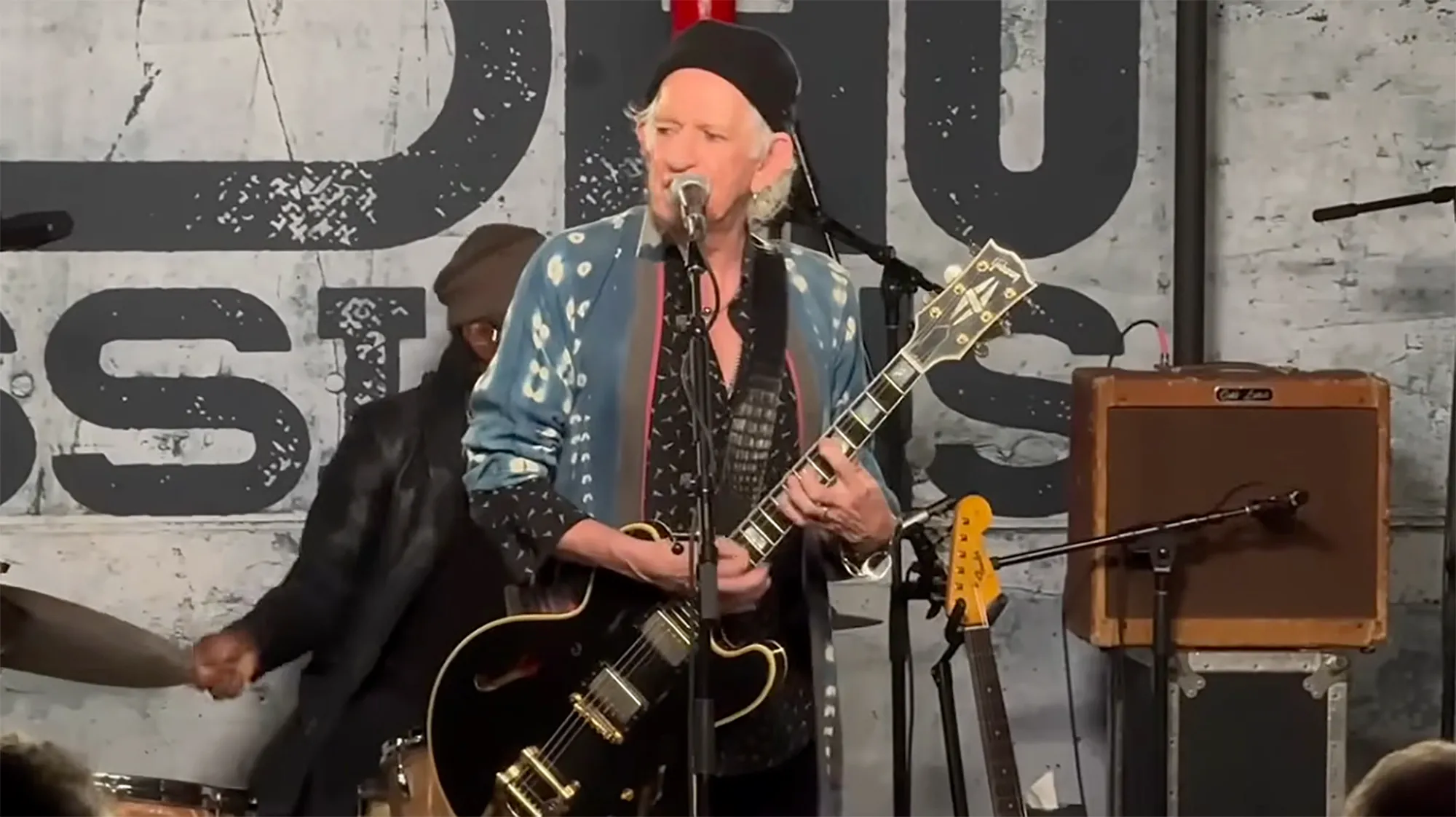
Over time, Richards stepped away from the substances that had once defined his myth. He has said he weaned himself off hard drugs, admitted to occasional drinking and cannabis use, and revealed that he quit cigarettes in 2020. Yet the work never stopped. In November 2025, he was still onstage in New York City, playing at an intimate concert in honor of friend Bruce Willis.
Page Six reports that Richards’ representatives did not respond to a request for comment on the new biography’s claims. The silence leaves his story where fans have always held it, somewhere between unstoppable legend and cautionary tale, written across decades of riffs, romance, and survival that should not have been possible.
How do you see Keith Richards’ legacy now, in light of the new biography: indestructible rock hero, cautionary figure, or some uneasy mix of both?